
Serviços
Pet sitter or leaving with family: how to compare solutions?
Discover the differences between a professional pet sitter and family accommodation to ensure the best care and well-being for your dog.
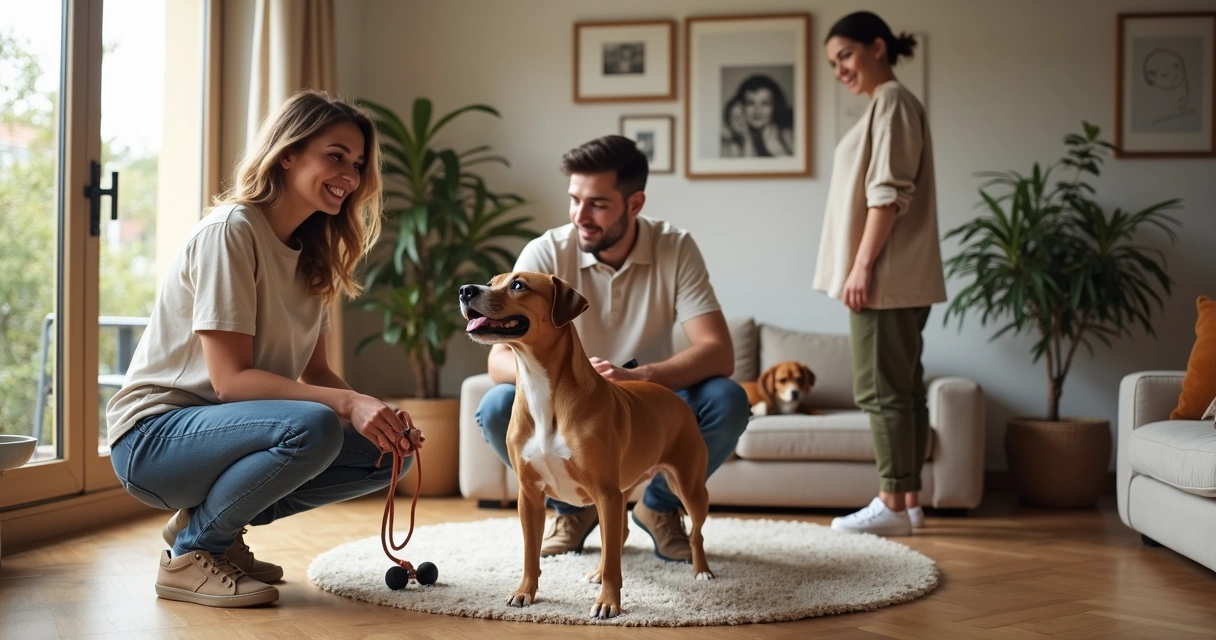
When that time of year comes when we need to be away, whether for travel, work or simply a short break, the same doubt always arises: do we leave our furry friend with a professional pet sitter or turn to family for help? This decision is more common than we imagine, especially among young couples looking for the peace of mind of knowing their animal is in good hands. Based on our experience in animal boarding and feedback from owners in Porto who have already trusted our Family Pet Boarding in Porto service, we want to share a true and practical analysis with you. We seek to simplify the decision-making process, showing what really matters and how the different alternatives respond to the needs of your dog and your family.
What is at stake? More than logistics: animal well-being
When we talk about leaving our dog with third parties, fears and expectations are always close to the surface. We are, after all, talking about the happiness of someone we consider part of the family. What moves us, as family hospitality professionals for pets, is to help every owner feel completely calm and confident in this choice. From routines to emergencies, including feeding, socialisation, freedom and daily contact, we know that every detail counts.
Before we move on to the detailed comparison between a pet sitter and family, let's review what we really want to guarantee:
- Physical and emotional well-being of the animal
- A routine close to the usual one
- Safety in any situation, including unforeseen events
- Clear and frequent communication with the carer
- Freedom and respect for the dog's space
- Feeding and medication, if necessary, without fail
Peace of mind for the owner starts with the comfort of their dog.
Comparing solutions: professional pet sitter vs. family
Let's take it bit by bit and straight to the point: both handing the animal over to family members and opting for professional family accommodation have advantages and precautions. The choice depends heavily on your animal's personality, the home routines, specific needs and the degree of trust in the different options.
What defines an experienced pet sitter?
It might seem simple, but experience counts. In our case, at Pet Boarding Familiar no Porto, we guarantee:
- Ample and safe space, without cages, where the dog can move freely
- Defined routine with daily walks, controlled socialisation and lots of cuddles
- Permanent contact via WhatsApp with daily photos/videos sent
- Strict management of the food provided by the owner and application of any therapies
- Personalised attention, including rules and limits according to the owners' instructions
- Protocols for dealing with health or behavioural emergencies
Above all, we strive for the dog to bring back home the same confidence and joy they left with.
And what to expect from care given by family?
When we choose to leave our furry friend with family members, we usually count on the proximity and pre-existing trust. The animal will be surrounded by familiar people (and sometimes other animals they have already socialised with at parties or visits), and many owners value this familiarity.
Among the advantages most cited by owners we've spoken to are:
- Informal and less stressful environment
- Greater freedom for the dog, without feeling "abandoned" by their circle of trust
- Possibility to play or walk with other dogs in the family
- Flexible schedules in managing walks or meals
- The excitement of meeting their "extended family" again
However, we need to look beyond the obvious advantages. Sometimes, the routine at the grandparents', uncles' or cousins' home can be different from what the dog is used to: less defined rules, less strict schedules, or even little experience in dealing with emergencies. And, in these details, some risks may be hidden.
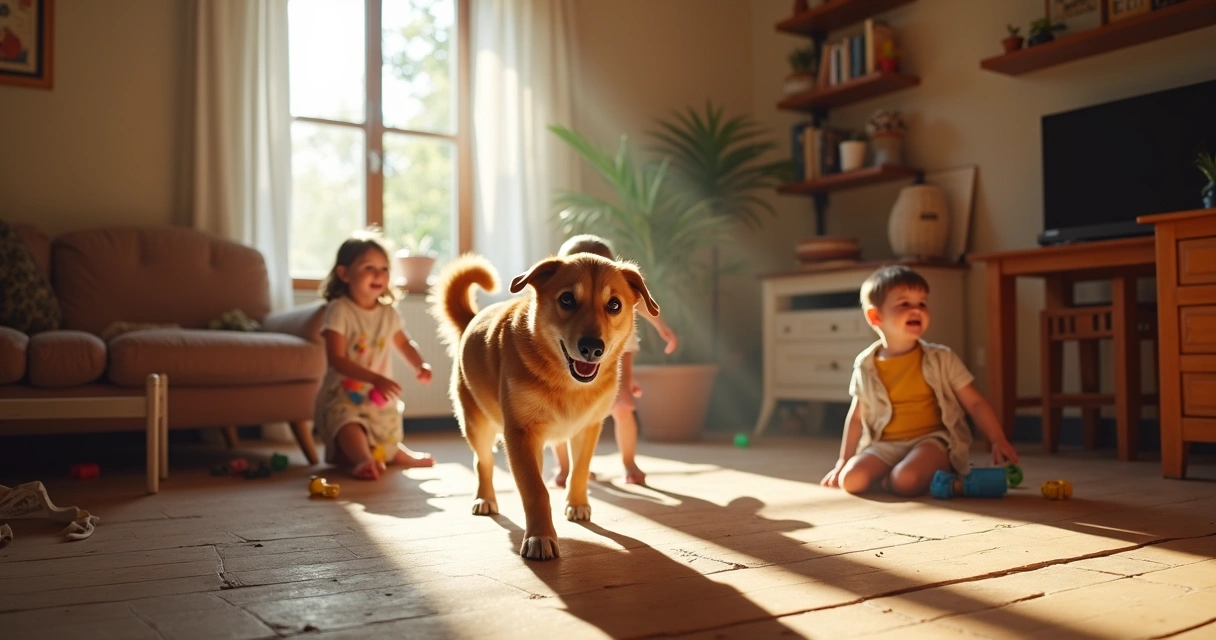
The theme of comfort: where does the dog really feel at home?
We often hear from owners: "My dog only feels good in their own place". And we understand. The territory, the smells, the toys and the bed are part of their universe. Therefore, whether leaving them with family or a pet sitter in a home setting, adaptation takes centre stage.
Accommodation in a family environment
In our service, we recreate the environment of a common home: cosy rest areas, absence of bars or cages, unrestricted access to common spaces and respect for the adaptation time. We always ask for blankets, toys and reference objects so that the dog feels that "small pieces of home" are with them.
When staying with family, this scenario is often replicated, especially if the animal already knows the house well, has their own bed there, or even plays regularly with nephews and other animals. The key point here is the family member's knowledge of the animal's habits: do they know where the dog likes to sleep, which are their favourite toys and how to respect their space?
Dogs feel truly comfortable where routines are predictable and affections are sincere.
Routines and habits: continuity or surprise?
Routine is one of the pillars of animal well-being. Dogs like to know "what is going to happen next". Stable routines are synonymous with less anxiety.
Pet sitter: rigour and personalisation
In professional services like ours, the animal's routine is prepared according to the owner's instructions. Walks at set times, leisure times adapted to the profile (more quiet or energetic), controlled meals, hygiene rituals and games. For many dogs, this predictability helps immensely in adaptation. We often hear from owners: “It seemed to me that they didn't even feel our absence, the routine stayed the same.”
Family: flexibility and “improvisations”
Leaving the animal with family members may involve some adaptations on the dog's part, as each home has its own routines of schedules, later breakfasts or weekends with unusual outings. It's not always easy to maintain every detail, but on the other hand, there is more flexibility to improvise and often more availability for extra cuddles and play.
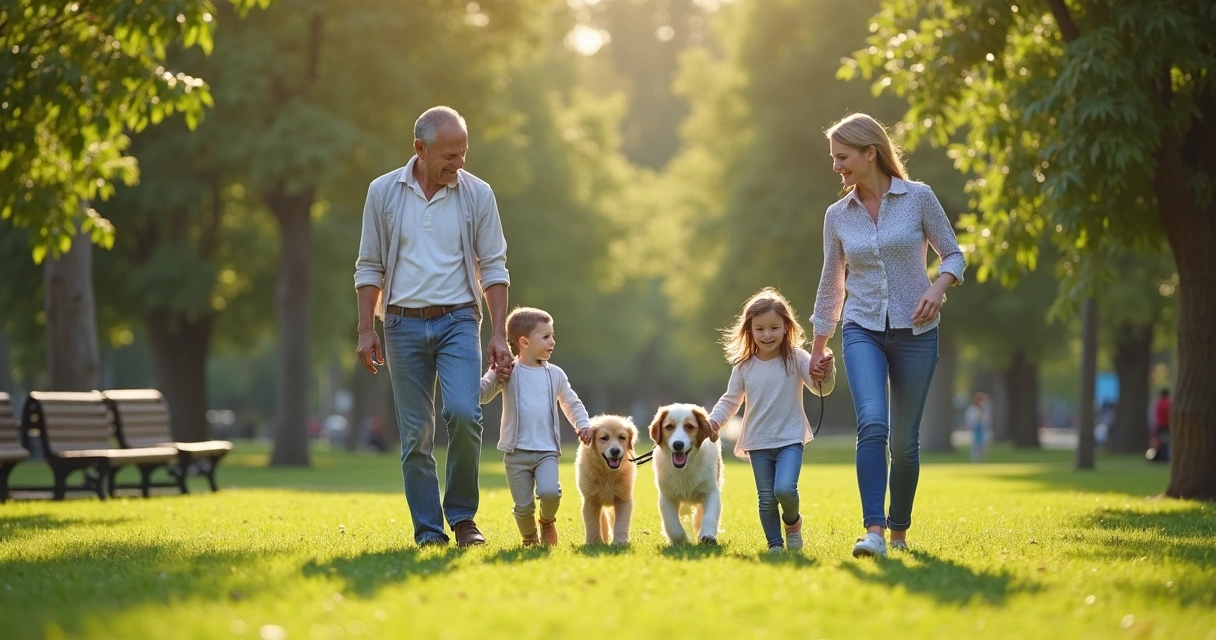
Socialisation: opportunity or necessity?
Socialisation is something we receive quite a few questions about from owners: should I encourage my dog to contact other dogs during their stay away from home?
In the family: stimulating interaction and strengthening bonds
One of the biggest advantages of turning to family members is providing the dog with new dynamics, such as playing with canine cousins or children, and integrating into the household's daily routines. This can be wonderful for sociable dogs: park visits, family afternoons or socialising with other animals offer mental and physical stimuli. For shy dogs, the familiarity of known faces also facilitates adaptation.
In family accommodation: balanced socialising
In our accommodation model, we bet on balanced socialising: we guarantee that the dogs have company similar to that at home, but we respect each one's space, avoiding social overload for the less outgoing ones. We select moments of the day for socialisation and, whenever necessary, provide individualised rest periods.
Well-dosed socialisation is synonymous with a happy dog and a relaxed owner.
Feeding and administration of medication
Ensuring there are no failures in this point is essential, whichever solution is chosen.
How do we guarantee proper feeding?
At Pet Boarding Familiar no Porto, we only accept to feed the animal with its own food, as instructed: quantity, schedules, restrictions and even treats! In case of medication, there is a specific record so as not to miss doses or times, and a confirmation routine at the end of each administration.
In family members' homes: trust and possible slips
If you've ever attended family lunches with animals present, you know how easy it is for a dog to get an extra treat from the table. It's hard to resist those sweet looks! If your animal needs specific care, dietary restriction or strict medication, it is essential that the whole family is aligned and available to follow the recommendations to the letter. Small slips can go unnoticed but cause discomfort to the animal. Here, trust and clear communication between everyone is essential.
Feeding faithful to the routine avoids digestive problems and a lot of anxiety.
Communication with the owner: distance or real proximity?
Getting a feel for our furry friend's happiness, even from a distance, makes all the difference for relaxing on holiday or at work.
Pet Boarding Familiar no Porto: real-time contact
When we receive a dog, we maintain constant contact with the owner through messages, photos and daily videos on WhatsApp. We share the fun moments of walks, naps, games and even small challenges. We make a point of ensuring the owner never feels removed from the animal's daily life, also receiving personalised feedback if any health or behavioural issue arises. The feeling of proximity is always present.
We have already had reports of families who follow what happens at our facilities in the first days of the stay and then end up relaxing completely. We become an extension of the home, transmitting true peace of mind.
Communication in family members' homes: informal and affectionate
Leaving the animal with a family member usually involves a more relaxed type of contact: there are quick calls, occasional video calls to curb the longing, sharing photos of nephews playing with the pet, or even spontaneous messages in the family WhatsApp group. This proximity is one of the great assets, but it is not always systematic or designed to calm the owner's anxiety. It is important to align expectations and ask, in advance, for regular updates.

Preparing for emergencies and unforeseen events
Talking about unforeseen events is not alarmism, it's responsibility. A sprain in a paw during a walk, a gastrointestinal upset or an unexpected behavioural problem can happen. Knowing how to react makes the difference.
Professional pet sitter: preparation and protocols
In a professional context like ours, all pet sitters receive training in first aid and protocols in case of a veterinary emergency. They have direct contact with partner clinics, know the instructions given by the owner (insurance, authorisations, emergency contacts) and act quickly in case of need. The objective is to avoid delays and guarantee immediate intervention whenever necessary.
Family members: good intentions but less experience
In the family sphere, the response to emergencies can vary greatly. If there is an experienced family member, it works out well. But often there is hesitation, lack of knowledge about warning symptoms or fear of making decisions on their own. Therefore, it is fundamental to leave very clear recommendations, vet contact numbers and express authorisation to act quickly. A good option is to train family members in advance to recognise common warning signs.
Preparing for emergencies is peace of mind for the owner and safety for the dog.
Responsibility: does the carer really take on the commitment?
If there is one thing we have learned over the years, it is that caring for animals implies 24-hour responsibility, and not just “looking every now and then”. This responsibility includes walking, cleaning, providing fresh water, giving medication, watching over during the night, calming during thunderstorms or fireworks, and making quick decisions.
In professional family accommodation
In a service like ours, responsibility is guaranteed by contract: we follow routines to the letter, keep health records, collect daily feedback and adapt care to individual needs. The commitment is professional, constant and dedicated to the total well-being of the animal.
Family responsibility: trust and limits
Between family, personal trust is very high, but it shouldn't be forgotten that each member has their own pace of life, work and other priorities. Limits should be clear, tasks shared, and the existence of a direct responsible person (and a backup) to ensure the dog isn't "forgotten" amidst family routines. And, of course, it's wise to avoid situations where responsibilities are not properly shared.

Emotional and financial cost of each option
More than the value of the service, it's important to understand the real “price” of each choice.
Emotional price
For many owners, the suffering of knowing that the dog is suffering from their absence is real. Sometimes, leaving them with a family member seems "lighter" than trusting someone from outside. In other situations, anxiety is lower when we can count on professionals who send continuous feedback, updates and routine guarantees. Every situation is unique.
Financial cost
Leaving them with family members is usually free, but not always free of costs: it may be necessary to return favours, bring food, extra toys or pay small associated expenses. On the other hand, a professional accommodation service has a fixed price, but it is associated with a different level of commitment, comfort and security.
Advantages and risks: what weighs more in the decision?
Main advantages of a professional pet sitter
- Personalised and rigorous routine
- Controlled and safe environment
- Effective management of emergencies
- Permanent and transparent communication
- Greater experience and animal knowledge
Possible risks of a pet sitter
- Need for the animal to adapt to the new space or people
- Sentimental distance from the family core
- Higher financial value
Advantages of leaving with family members
- Familiar and known environment
- Spontaneous socialisation with other known animals/people
- Greater flexibility for play and routines outside the usual
- Possibility of personalised monitoring (especially if there are very strong bonds)
Riscos do cuidado familiar
- Lack of experience in emergencies or animal health
- Possibility of carelessness with schedules or specific feeding
- Overlap with other family tasks
- Potential for family conflicts, if there is overload or failures
The most important thing is not to decide on impulse, but to carefully weigh all the nuances of our dog's life.
What type of accommodation is most suitable for each animal?
Despite trends, there is no single answer valid for all cases. In family accommodation services, we notice that:
- More anxious dogs or those with special needs adapt better to quiet environments, with constant attention and monitored experiences
- Young, sociable dogs used to family routine generally love environments full of movement and spontaneous interaction
- Dogs with chronic illnesses or daily treatments require experience and rigour in care
- Puppies and seniors benefit from specialised monitoring, especially during rest, feeding and medication hours
We should realistically evaluate our furry friend's profile before opting. We know examples of dogs that transform into true kings during a family stay, and others that only find comfort with a very structured routine and the discreet but constant presence of an experienced professional.
Step-by-step to deciding safely
We've gathered some practical suggestions to facilitate this decision-making process:
- Identify your dog's real needs (anxiety, health, energy, sociability)
- Reflect on the schedules, responsibility, experience and availability of the family member in question
- Ask for references and clarify doubts with the pet sitter or chosen accommodation service
- Visit the space beforehand if you opt for a professional solution
- Leave written instructions, important numbers and alert points
- Try a one or two-day test run, if possible, before your prolonged absence
- Always ask for feedback (via messages or photos) to follow the animal's daily life
How does our Pet Boarding Familiar no Porto service work in practice?
It's very simple: the owner schedules the stay in advance, we agree on all the details (routines, feeding, special care) and we receive the animal in a cage-free space, with total freedom of movement, balanced socialising and lots of cuddles. We adapt schedules to the dog's habits and facilitate sending daily photos and videos. We focus on the owner's peace of mind and the animal's joy – mission accomplished only when both are in harmony. To see real examples of our environment you can check our gallery.
Want to know when we have availability? Check our online calendar and talk to us before making any decision. If you still have hesitations, don't forget to send us a message on the contact page. We can share experiences, suggestions or even schedule an in-person visit.
Family accommodation is finding the right environment for each dog, even far from home.
Conclusion: each dog, each family, each choice
We've reached the end of this journey about the two great alternatives: pet sitter or family members. The most important thing is that each decision is made with awareness and affection, always focusing on the animal's well-being and the owners' peace of mind. At Pet Boarding Familiar no Porto, we bet on a professional family hosting model where we guarantee freedom, comfort and full responsibility, as if each dog were unique – and they really are.
We always think about what really works for each family and furry friend. If doubts remain, or if you'd like to get to know our concept of cage-free family stays full of affection better, we invite you to get in touch with us. Together we will find the ideal solution for you and your furry friend!
Frequently Asked Questions
What is family boarding for animals?
Family boarding for animals means receiving the dog or cat in a home, without using cages, where they live with the host family and other animals, following a routine adapted to their daily habits. It is an environment where the furry friend has freedom, comfort and personalised monitoring, reducing the stress of being away from the owner.
How to choose between a pet sitter and family?
It is fundamental to evaluate the animal's needs and temperament, the family member's experience and availability, and the degree of trust in the pet sitter. Consider issues such as health, socialisation, need for a stable routine, and availability to deal with emergencies. Ask for feedback, analyse the environment and choose what brings more peace of mind to you and your furry friend.
Is it worth leaving the animal with family members?
It can be worth it when there is a strong emotional bond, knowledge of the animal's habits, and real availability to care for and respect routines. However, if the animal needs specific care or the family member lacks experience, it may not be the best option to guarantee total safety and well-being.
Where to find reliable family boarding?
Look for specialised services like Pet Boarding Familiar no Porto, which provide references, real photos of the environment and direct contact with professionals. Check owners' reviews, schedule a prior visit and clarify all doubts about routines, safety and emergency protocols.
How much does family accommodation for pets cost?
The cost always depends on the length of the stay, the need for special services (administering medication, extra care, etc.), the animal's profile and the service's policy. Costs reflect the level of personalised monitoring, comfort of the environment and responsibility assumed by the carer. To find out the specific rates for our service, you can consult our services page or contact us directly.
Automatic translation of the Portuguese original.