
Bem-Estar
How to relieve separation anxiety in dogs: practical solutions
Discover how to identify and manage the symptoms of separation anxiety in dogs with practical techniques and effective solutions.
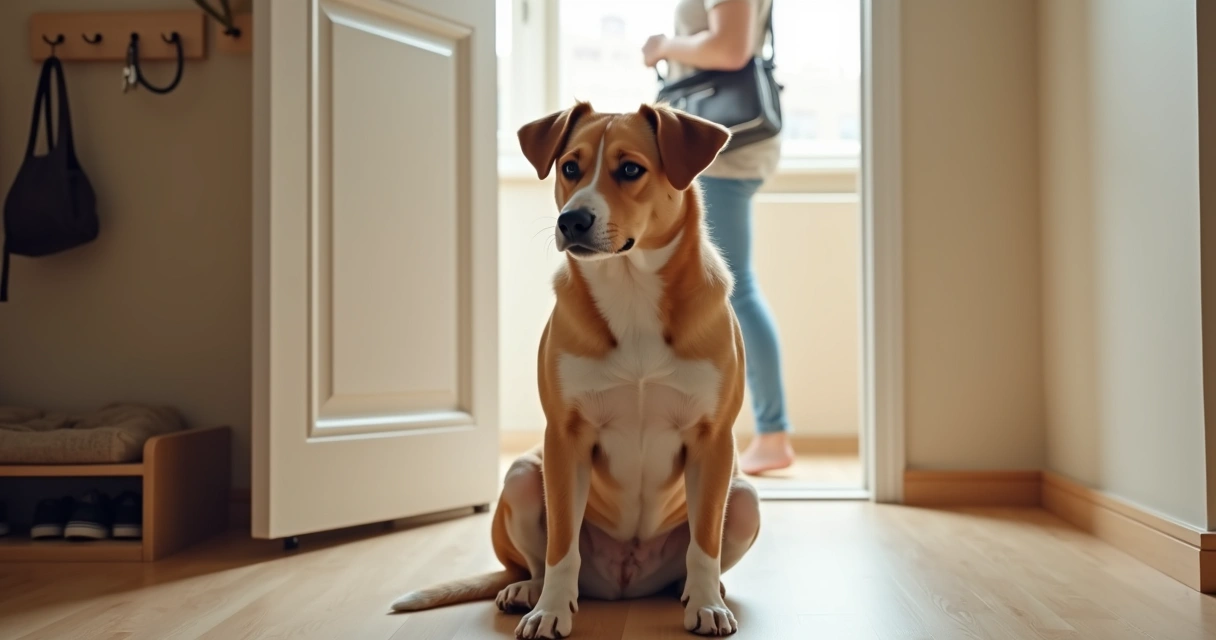
In their daily lives, many owners are faced with unexpected behaviours from their dogs when they need to leave the house. Some arrive home to find destroyed furniture, neighbours complain of incessant barking, while others notice their dog is sad, dejected or even ill. These signs may indicate a common problem: separation-related disorder, often known as separation anxiety in dogs.
Throughout this article, we share effective strategies to minimise this canine suffering, strengthening the bond between humans and animals. We draw inspiration from both animal behaviour science and our daily experience at our Pet Boarding Familiar service in Porto, avoiding judgements and promoting solutions for all owners concerned about the well-being of their furry friends.
Most frequent symptoms of canine separation anxiety
Not all dogs manifest anxiety in the same way. Some signs go unnoticed, others leave no room for doubt. Identifying these behaviours is the first step to helping our companion animal.
- Destruction of objects: chewed furniture, torn shoes, scratched doors or bitten blinds usually appear in the first few hours after the owner leaves.
- Excessive vocalisation: intense and continuous barking, whining or howling, easily noticed by neighbours.
- Inappropriate elimination behaviours: urinating or defecating in places where they have never done so before, exclusively in the absence of the owner.
- Sudden hyperactivity: aimless running or repetitive movements around the door, windows or furniture.
- Salivation, tremors and panting: physical symptoms of stress, less obvious, but equally concerning.
Often, some of these symptoms appear in isolation. In other situations, they manifest together, intensifying the dog's suffering and the owner's worry.
Understanding the main causes of separation anxiety
To correctly address this type of stress, it is essential to know the possible origins. The origin of this behaviour varies from dog to dog, but there are common patterns.
Hyper-attachment to the owner
When we feed, play and spend practically all our time with our dog, we create deep bonds. Although affection is healthy, excessive dependence can make it difficult for the animal to learn to be alone, especially when they have never been accustomed to facing short periods of separation gradually.
Sudden changes in routine
Scratches on furniture or constant barking can arise after significant changes in daily life. Practical examples:
- Moving house
- Change in the owner's schedule (new job, alternating shifts)
- New people arriving at or leaving the home (a baby, another animal, frequent visitors)
- Return to in-person routine after long periods of remote working
Previous negative experiences
Recently adopted dogs, who have experienced abandonment or long periods in shelters, may show fear of solitude. The memory of difficult moments ends up aggravating the discomfort.
Genetic predisposition and individual sensitivity
Some breeds are more prone to emotional dependence on their owners. On the other hand, any dog can show a greater or lesser capacity to deal with changes.
Small changes can provoke big reactions in our best friends.
Diagnosis: How to know if our dog suffers in our absence?
Recognising the symptoms is already a step forward, but how can we confirm that the behaviour is indeed due to the disturbance caused by our absence and not other health problems?
- Direct observation: Recording videos during the period the dog is alone can reveal behaviours we cannot see live.
- Testimonies from neighbours or family: Continuous barking or howling is usually reported.
- Veterinary consultation: Excluding clinical illnesses (such as infections or physical discomfort) ensures that the symptoms do not have a biological origin.
- History analysis: Episodes of anxiety coinciding with changes in the family environment or the owner's personal routine.
By gathering enough information, we can select the most effective and personalised approach.

Practical solutions to relieve discomfort when they are left alone
Over the years, we have tested and proven several strategies at Pet Boarding Familiar in Porto. Consistency and adaptation to the dog's personality are the keys to successful interventions.
Socialisation and gradual training to tolerate distance
Gradual exposure to solitude is one of the most effective techniques. We start by getting the dog used to brief moments alone, increasing the time little by little. Here is a practical example:
- Leave the room for a few minutes, with the dog safe, and return without big celebrations
- Increase the duration successively, avoiding sudden returns in response to barking or crying
- Reinforce calm behaviour with quiet praise, healthy treats or moderate affection
Making absence something common and safe reduces the negative link to solitude.
Environmental enrichment: creating an interesting environment
One of the most used resources is making the home more stimulating during the owners' absence. Boredom is one of the enemies of canine emotional balance.
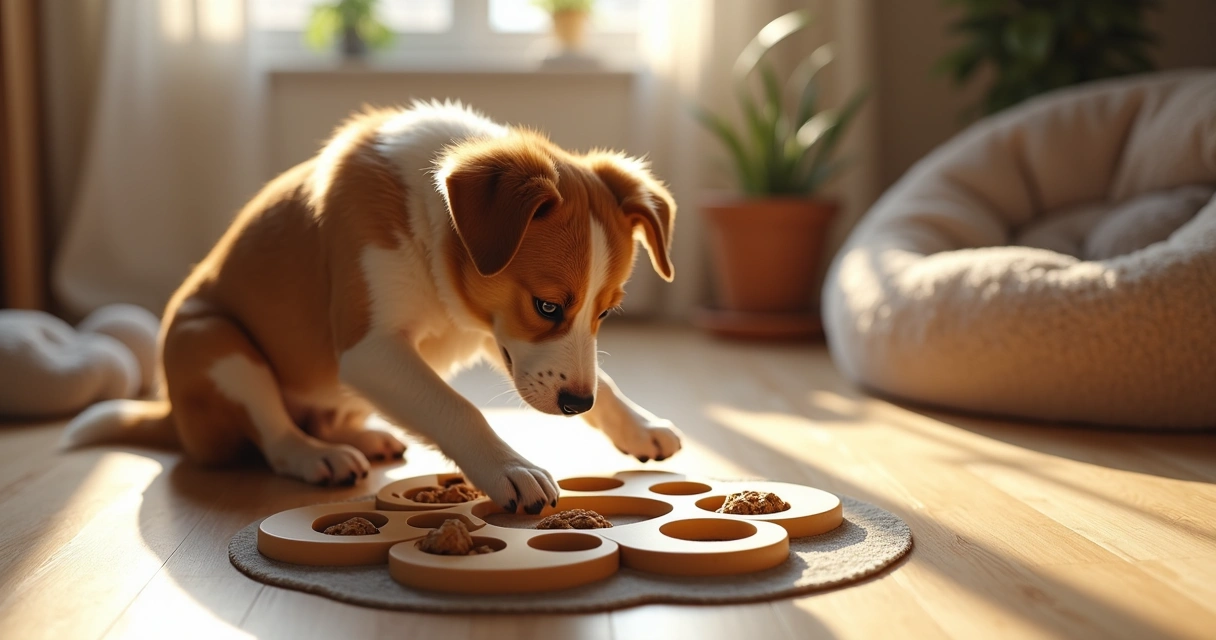
- Interactive toys (food dispensers, simple puzzles, refillable snack balls)
- Radios or televisions turned on at low volume
- Leaving familiar objects with the owner's scent (used clothes, for example)
- Free access to safe areas of the house (without cages or excessive confinement)
A stimulus-rich environment reduces stress and prevents destructive behaviours.
How to use toys to calm the dog?
Toys are allies, but they require attention to safety. They must be resistant, suitable for the animal's size and age, and never represent a choking hazard. Swapping them frequently maintains interest and prolongs their use during each absence.
Predictable routine: safety in daily life
Dogs appreciate knowing the times for meals, walks and rest periods. Following a daily pattern, adapted to the animal's real needs, allows them to anticipate our departure and our return, feeling safe.
Positive reinforcement: rewarding calm behaviour
Our role is always to reward calmness and ignore anxious behaviours. Leaving the house calmly, without long goodbyes or excessive words, communicates to the dog that our absence is not a cause for alarm. The same applies to the return: entering the house with serenity, waiting a few moments before stroking, minimises excitement and makes it clear that absences are part of the routine.
Avoiding common mistakes: goodbyes and punishments
Sometimes, unintentionally, we reinforce our dogs' insecurity. Prolonged goodbyes can suggest that something worrying is going to happen.
Likewise, we should never punish the animal for behaviours associated with stress or destruction. These are emotional responses, not conscious choices. Punishment only increases fear, isolation and, in the long term, anxiety.
Complementary solutions: what else can help?
Not all situations are resolved with training and environmental enrichment alone. There are other supports that can be useful.
Calming pheromones and natural products
Synthetic pheromone diffusers for dogs mimic reassuring signals that mother dogs emit to their puppies. They can help create a more relaxing atmosphere in the house, especially in the early stages of training to be alone.
There are also natural snacks or sprays (based on valerian, chamomile, etc.) specific for dogs. Their effect, although mild, can be interesting in some milder cases.
Medication and professional follow-up
In cases where the animal's suffering is intense and persistent, home interventions are not always enough. The veterinarian may recommend specific pharmacological support, adapted to the size and clinical history. This support should always be temporary and accompanied by behavioural training plans, with the final goal of returning confidence and well-being to the dog autonomously.
Professional support is a sign of responsibility, not failure.
When to seek specialised help?
If after the consistent application of the described strategies for several weeks no improvements are noticed, it is time to ask for support from a certified behavioural trainer or ethologist. This professional will identify specific details of the environment, the owner-dog relationship and the recorded behaviours, suggesting personalised intervention plans.
Seeking help early avoids the worsening of symptoms and improves the quality of life for the whole family.
Family boarding as an answer for dogs that are not okay alone
Some animals, even after multiple strategies, simply do not feel well in solitude. In these cases, solutions like Pet Boarding Familiar in Porto prove to be a safe and welcoming alternative. The dogs find company, proper socialisation, activities and routines similar to their original home.
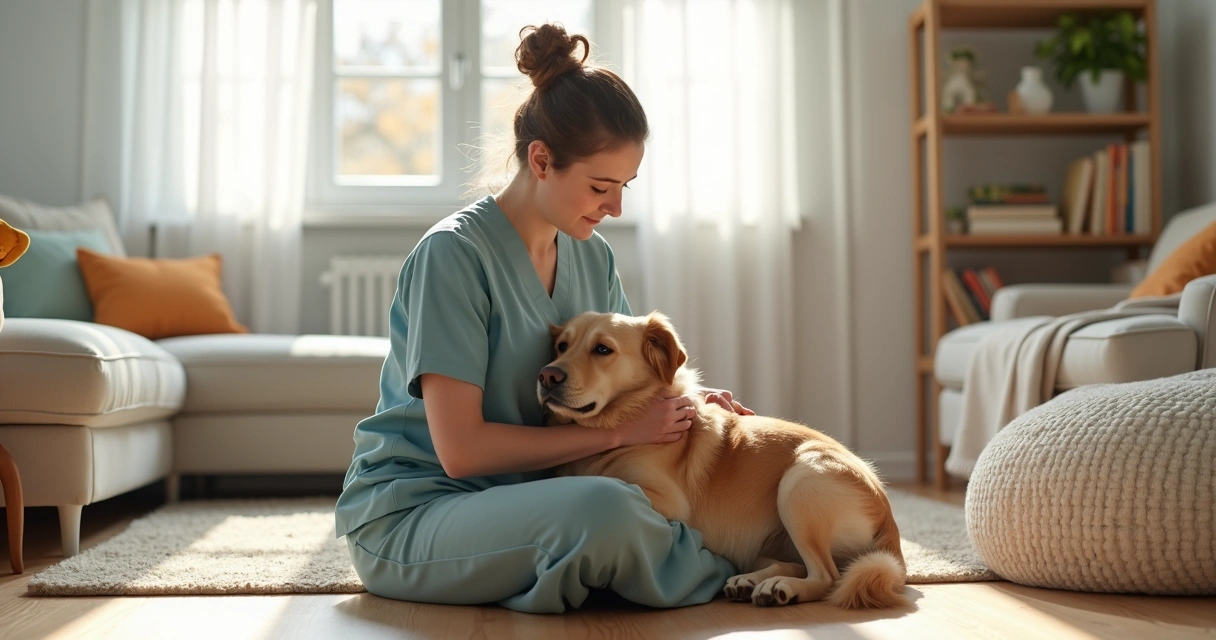
In our experience, this service becomes a personalised solution for owners who travel, change routines frequently or simply want to ensure that their pet remains happy when they are not with them. You can find out more about the services available on our platform, with flexible options and constant monitoring through daily photos and videos.
How to ensure the best solution for my furry friend?
The first step is close observation of behaviour and honesty regarding family routines. If you detect persistent signs of discomfort in your dog when you are away, try applying the strategies suggested in this article.
If you are considering a personalised care service in a family home, we suggest checking our availability calendar in advance or visiting the gallery to see the spaces and the routine of our four-legged guests.
Promoting your dog's tranquility and emotional balance is within the reach of everyone who truly cares about their well-being.
Early intervention transforms anxiety into confidence and creates happy memories instead of fears.
Conclusion
Caring for the emotional well-being of our dogs means being attentive, informed and available to adjust routines and expectations. By knowing the causes and symptoms of discomfort in the absence of the owner, we can act preventively and personally, whether with small daily changes, structured training sessions or by seeking support services like Pet Boarding Familiar in Porto.
The confidence, security and happiness of your pet translate into a stronger and more peaceful relationship for everyone. If you wish to discuss solutions tailored to your case, clarify doubts or book a visit, do not hesitate to contact us. We will be available to find the right answer for you and your furry friend!
Frequently asked questions about separation anxiety in dogs
What is separation anxiety in dogs?
Separation anxiety in dogs is an emotional response that arises when the animal is away from the person they are most attached to. This reaction can manifest through destructive behaviours, intense vocalisation, elimination inside the house and other signs of stress that occur exclusively in the absence of the owner.
How can I help my anxious dog?
Helping a dog with difficulties being alone involves creating a consistent routine, gradual habituation to solitude, environmental enrichment with appropriate toys and progressive socialisation. Avoid long goodbyes and punitive actions, always focusing on positive reinforcement and, if necessary, seeking support from animal behaviour professionals.
What are the signs of anxiety in dogs?
The most frequent symptoms are destruction of objects, barking, whining, howling, inappropriate elimination (wee and poo in the wrong place), abnormal salivation, tremors and little desire to eat or play in the absence of the owner. Each animal can show different or more subtle signs, so it is important to know your dog's daily life well.
Are there toys that help to calm them?
Yes, there are toys specially designed to help your furry friend manage solitude better, such as food puzzles, snack dispensers and long-lasting bones. These objects stimulate the mind, occupy time and make the experience of being alone more positive and less boring.
When should I see a veterinarian?
You should consult a veterinarian whenever you notice very intense, persistent symptoms or those that seriously harm your dog's well-being. The veterinarian can rule out physical health problems and, when necessary, refer to specialised behavioural monitoring or indicate safe pharmacological options.
To discover more resources or learn about the options available for your four-legged friend, visit our portal at petsittingservice.eu and start a new phase of well-being and companionship with your dog.
Automatic translation of the Portuguese original.