
Bem-Estar
Animal welfare: 7 essential practices in family petsitting
Discover petsitting practices that guarantee animal welfare through freedom, socialisation, care and daily communication.
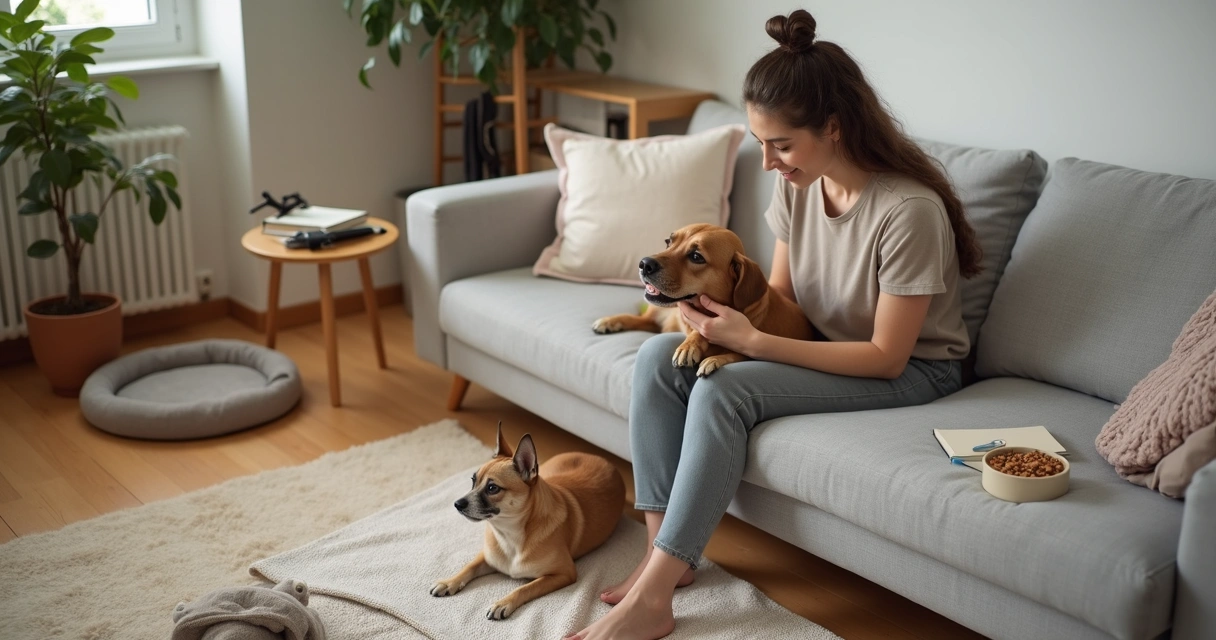
Throughout my experience caring for pets in a domestic environment, I have discovered that the comfort and happiness of our companions are shaped by very specific practices. In every face I see returning home – both the pet's and their owner's – I realise that it is not just about feeding or walking. It really is about creating an environment where the animal's physical, mental and social needs are respected and promoted every day.
When I receive an animal at Pet Boarding Familiar no Porto, it is not simple “guarding”. The goal is to provide a stay full of pampering, safety and appropriate stimuli. No cages, no isolation – the animals share the house, live through my days and the family routine, with freedom to explore and express who they are.
What does promoting animal welfare in family petsitting mean?
In Portugal, talking about the welfare of companion animals goes further than one might imagine. According to Eurobarometer data, 88% of Portuguese people support the reinforcement of conditions for pets, including their right to space, proper food and happy lives by our side. The concept of animal welfare in family petsitting means ensuring that these rights are not left at the door when the animal is left in my care.
That is why I seek to align every practice with the five fundamental freedoms internationally recognised for animal welfare: freedom from hunger and thirst, freedom from discomfort, from pain or disease, from fear and freedom to express natural behaviour. In a family environment, these five pillars translate into daily gestures and small decisions that change everything.
Respecting natural needs makes all the difference in a temporary home.
The five domains of animal comfort in a domestic environment
In recent years, the idea of animal welfare has gone even further. Scientists now work with the five domains model, which deepens the analysis of needs:
- Nutrition: Balanced diet, clean water and stable schedules.
- Environment: Comfortable, safe and stimulating spaces.
- Health: Prevention, administration of medication and individualised monitoring.
- Behaviour: Freedom to play, rest or interact with other animals.
- Mental state: Emotional well-being with the absence of stress, fear and boredom.
By combining these domains in a home petsitting routine – where every corner invites relaxation and socialisation – I feel that every animal quickly develops signs of tranquillity and happiness. And this balance arrives, above all, when the relationship between human and animal is based on respect and affection.
Practice 1: Daily walks for physical and emotional health
In my experience, nothing replaces the benefits of a good walk. This daily routine not only promotes physical health – preventing obesity, strengthening muscles and joints – but also, according to studies such as the registration of more than 3.1 million animals in Portugal, it becomes increasingly necessary in the urban life of domesticated dogs and cats.
- Dogs explore new smells, exercise and release energy.
- Social cats benefit from controlled outdoor environments or exploratory play at home.
- During the walk, I allow time for stops, safe interactions with other dogs and plenty of freedom to sniff. Each walk must respect the pace and tastes of the animal.
I noticed, for example, that dogs prone to anxiety were completely transformed after a few days of regular walks. They become more attentive, relaxed and even more open to socialisation. I prefer quiet routes, always paying attention to weather conditions and signs of stress or discomfort.
An attentive walk is worth many words of affection.
Practice 2: Stimulating socialisation with a controlled environment
When receiving pets from different families, I realised that a large part of welfare results from proper socialisation. Domestic animals need contact, but also respect for their time and personal boundaries. The secret lies in promoting positive encounters without forcing cohabitation.
In the socialisation routine I implement, I use techniques such as shared toys, recognised smells and joint activities to “break the ice”. Always attentive to signs of discomfort or overload, I adapt the number of interactions and dynamics based on the personalities present.
- Adaptation days are fundamental for shyer or more fearful animals.
- Short play sessions stimulate sharing and reduce conflict.
- I encourage, but never force contact. Emotional well-being is born from trust.
I have learned that well-managed socialisation helps animals become more confident and less reactive. It results not only in bonds between them, but in shared happiness with humans.
Practice 3: Correct administration of medications
Many owners arrive worried about their pet's health. I have seen that the proper administration of medication, recommended by the vet, is a cornerstone of the animal's comfort. According to the study “First moments with pets”, more than half of Portuguese owners turn to the vet for health queries and also about administering medicine.
Following instructions to the letter is essential to ensure the animal's safety throughout the stay.- Rigorous recording of doses, times and modes of administration.
- Serene environment during medication intake, reducing stress.
- Daily communication with the owner regarding any changes or unexpected reactions.
I have come across animals that reject tablets or liquids. Experience has taught me tricks like hiding them in treats or using positive reinforcement techniques. The focus is always on respecting the animal's physical and mental well-being throughout the process.
Practice 4: Supervised, adapted and conscious feeding
If there is one thing I believe in, it is that diet has an emotional and behavioural influence. Recent data indicate that around 40% of dogs and cats in Portugal are overweight.

Therefore, I aim to:
- Respect the food and quantity recommended by the owner.
- Use clean bowls and always fresh water, changed several times a day.
- Monitor appetite and report any changes.
- Avoid high-calorie treats or extra food, unless expressly indicated (sometimes rewarding with fruit or authorised healthy snacks).
- Ensure stable feeding routines, especially for animals prone to stress or poor digestion.
When observing significant differences in appetite or behaviour after a meal, I always inform the owner to decide on the next steps together.
Practice 5: Freedom and comfort – a cage-free home
I see that one of the biggest benefits of a family home like Pet Boarding Familiar no Porto is being able to say that there are no cages here. The animal can move freely through all the spaces where they are safe, choosing for themselves when to play, rest, explore or socialise. This freedom is a direct reflection of the five freedoms and domains of animal welfare.

- Dogs accompany me in common areas, adapt to the house routine and rest where they prefer.
- Cats have access to high perches, scratching posts and quiet areas.
- If necessary, I create “safe zones” for more reserved animals to retreat to when they wish.
Freedom with supervision and responsibility provides real emotional comfort to the animal.
This cage-free environment eliminates the fear and loneliness frequent in other temporary stay contexts. The owner notices the difference in their pet's behaviour after a few days in this dynamic.
Practice 6: Permanently ensured cleaning, hygiene and safety
Hygiene is a basic requirement, but I see that it goes beyond physical health: it also influences the mental and emotional health of the animals in my care.
- I keep all spaces clean, disinfect regularly and quickly remove any waste or smells.
- I wash bowls, beds and toys frequently, preventing disease and discomfort.
- I adapt the environment to each guest, eliminating small dangerous objects and ensuring gates or safety nets where necessary.
- I monitor wounds, changes in skin or coat and immediately communicate any new clinical signs to the owner.

A clean environment is synonymous with safety and tranquillity.
I admit: when an owner returns and comments on the shine in the coat or the animal's tranquillity, I know that daily hygiene and constant care are part of the difference.
Practice 7: Constant communication and photo sharing for the owner's peace of mind
Trust and transparency are elements that I consider as relevant as feeding or physical health. Therefore, I maintain permanent contact with owners via WhatsApp – answering questions, sending daily photos and videos, and reporting curiosities about the animal's day.
Daily sharing of news reinforces the connection between owner and animal, bringing peace of mind to both.- I report walks, meals, play and rest times.
- I quickly alert to any relevant change.
- I send spontaneous images to “ease the longing” and bring the family closer, even from a distance.
Feeling the owners' relief upon receiving a video of their dog playing or the cat sleeping peacefully reinforces the value of this communication – not just for the owner's comfort, but because the animal also feels there is continuity in the affective relationship, even during the temporary absence.
Prevention and response adapted to individual needs
My approach is always based on prevention. I seek to know, before each stay:
- Medical history, allergies, special needs and fears.
- Feeding preferences and the animal's usual routine at home.
- Degree of socialisation and individual tastes, such as favourite toys or sleeping habits.
With this information, I anticipate possible challenges and prepare the space and routines so that each animal has everything they need, respecting the differences between breeds, ages or histories.
Practices that respect natural behaviour
I always value that animals can express instinctive behaviours: chewing, digging, hunting toys, exploring smells, climbing perches. In a family context, all of this is possible, and I ensure that this respect for instinct is part of a routine that prioritises physical and mental balance.
The advantages are clear:
- Reduction in anxiety and destructive behaviours.
- Greater sociability with other animals.
- Overall confidence and well-being reflected in day-to-day life.
I adopt simple practices, such as offering interactive toys, hiding snacks to stimulate scent tracking, alternating stimuli and promoting moments of deep rest.
A hygienic, safe and, above all, affectionate environment
At Pet Boarding Familiar no Porto, every gesture is thought out to guarantee the health, happiness and peace of mind of both animals and owners. Family pet sitting stands out for respecting the natural cycle of animals. I always strive to provide them with balanced days, a sense of belonging and an absence of fear.
The results are visible: happier animals, rested owners and a strengthened bond between families and their pets. If you want to delve deeper into these practices and other topics from the animal universe, I suggest reading the animal care category on our blog, where I share real experiences, frequent questions and valuable curiosities.
Conclusion: How to ensure the true welfare of your animal in family petsitting
These seven practices have forever changed the way I view the responsibility of caring for animals in a family context. What have I learned? Animal welfare is built with sensitive routines, respect for natural behaviour, constant affection and permanent adaptation to the individual profile of each pet. From hygiene to walks, from comfort to affective contact, every detail counts.
If it makes sense to you to trust your pet to a space where freedom, health, socialisation and affection are always present, I invite you to learn more about our services or read some of our real experiences. At Pet Boarding Familiar no Porto, your pet feels at home. And you feel truly at ease.
Frequently asked questions about animal welfare in petsitting
What is animal welfare in petsitting?
Animal welfare in petsitting consists of ensuring that the animal, even away from the owner, maintains all the conditions to live without stress, discomfort or deprivation. It includes proper feeding, a safe and affectionate environment, freedom of behavioural expression, physical and mental stimulation, and respect for the individual pace, always with dedicated supervision.
How can I guarantee my pet's comfort?
To ensure comfort in a family stay, always provide information about the animal's preferences, usual routine, any fears or clinical needs. Choose petsitting where there is an absence of cages, freedom in the spaces and close contact with the petsitter – including daily communication to monitor well-being and small adjustments to the routine whenever necessary.
Which practices promote animal welfare?
Practices such as daily walks, respectful socialisation, supervised and adapted feeding, correct administration of medications, clean and safe environments, freedom without cages and regular monitoring through photos and videos are, in my experience, those that best promote animal welfare in a family stay.
Is family petsitting safe for animals?
Yes, provided that the practices are individualised and the environment is prepared to prevent accidents or escapes. Family petsitting, when done in accordance with the five freedoms and domains of animal welfare and with attention to each animal's particularities, is safe and provides above-average emotional comfort.
How to choose a petsitter concerned with animals?
Observe if the petsitter requests detailed information before the stay, if they present hygiene routines, regular walks, freedom within the space, health supervision and regular sharing of news about the animal. Ask about previous experiences, request references and prioritise those who work according to principles based on respect for natural behaviour and the animal's mental health.
Automatic translation of the Portuguese original.