
Cuidados Animais
How to ensure your dog never stays in cages during boarding
Discover how in family boarding we guarantee total freedom for your dog, cage-free, with comfort, safety, and daily affection.
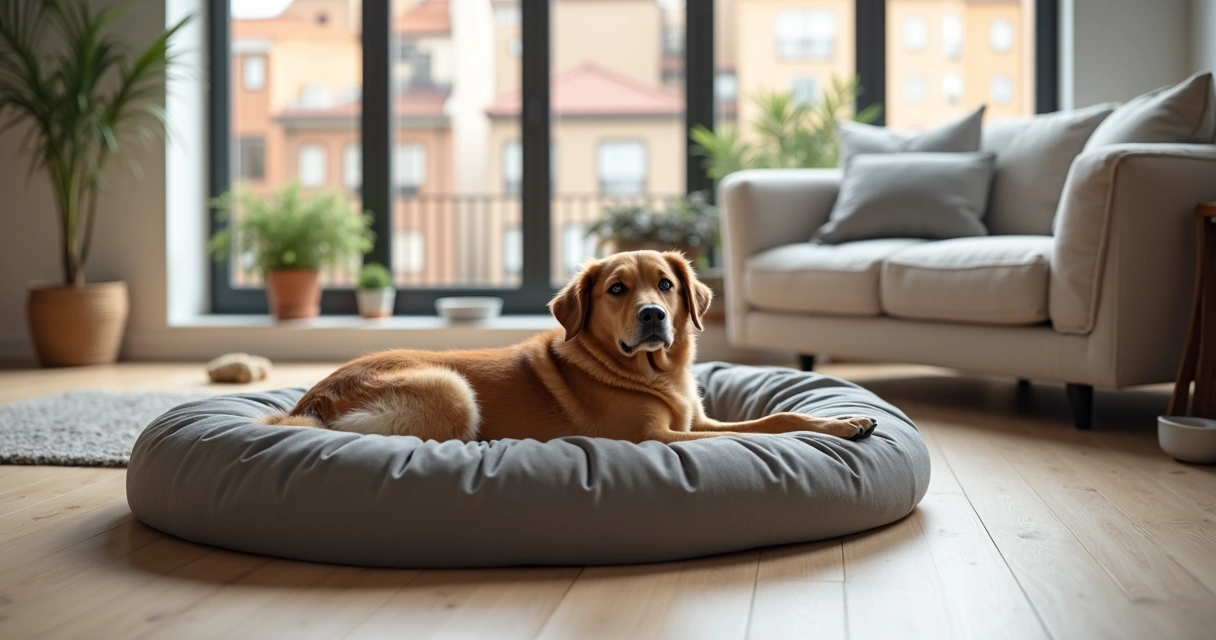
In many animal accommodations, the use of boxes or enclosed spaces is still common practice. However, we believe there are more humane and comfortable alternatives, providing freedom, emotional balance, and an environment closer to what the dog has at home. At Pet Boarding Familiar no Porto, we have developed an approach based on well-being, safety, and total transparency throughout your furry friend's stay, always without the use of cages or unnecessary confinement.
Why does avoiding cages in boarding make sense?
A dog's interaction with the world should not, in principle, be conducted from a cramped and restrictive space. Dogs are sociable, curious animals and sensitive to changes in their environment. When they are away from their owners, they need to feel comfort and safety even more.
- Enclosed spaces promote anxiety, fear, and even aggression;
- They reduce the possibility of harmonious socialisation, making adaptation difficult;
- They can aggravate existing behavioural problems;
- They lead to constant boredom, increasing the likelihood of destructive behaviours;
- They do not allow freedom of movement or natural expression;
These reasons lead us to think about the concept of temporary accommodation differently. At Pet Boarding Familiar no Porto, we do not practice the policy of placing dogs in cages or enclosed pens during their stay.
How does cage-free boarding work?
The experience in a family home is very different from what we find in traditional locations. We open the door to the animal and welcome them warmly.
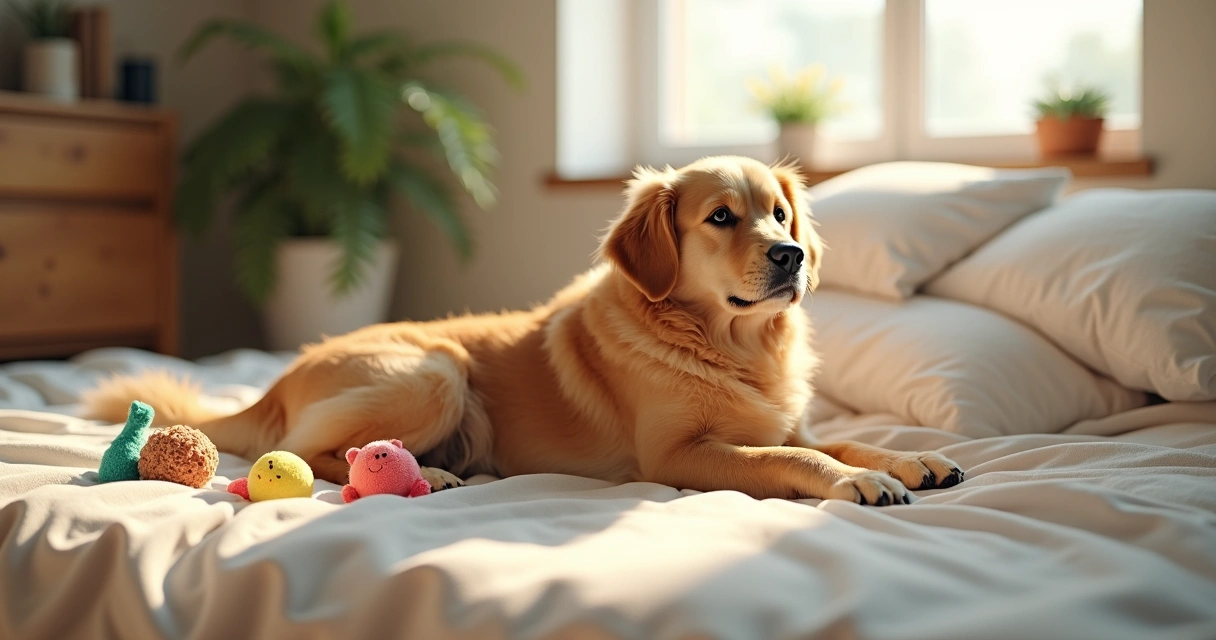
Below, we share how we organise a typical routine, without any cages:
- Free access to all common spaces, including the living room, hallways, outdoor patio and, if comfortable, bedrooms. The animal can choose where they feel best;
- Feeding strictly carried out according to the instructions sent by the guardian, promoting continuity and food safety;
- Fresh water always accessible. We check the water bowls frequently to ensure they never run out;
- Guided socialisation: we perform gradual introductions to other dogs, respecting personality, size, and needs;
- Daily walks in safe locations: in addition to the garden and outdoor space, we walk in the surroundings, ensuring physical and olfactory stimulation;
- Controlled exercise: we use toys, games, and mental challenges to keep the pet active;
- Administration of medication if necessary, always with records and communication to the guardian;
- 24-hour monitoring: someone is always at home, attentive to the animal's behaviour and comfort;
- Daily sending of photos and videos to the guardian, creating closeness and trust.
In our photo album, we share genuine moments from the guests' routines and the happy expressions of the dogs that visit us. We reinforce communication through WhatsApp, facilitating follow-up and responding quickly to any questions.
How do we ensure safety and well-being without enclosed spaces?
When we remove physical barriers, there are other essential precautions to ensure protection, tranquility, and respect for the animal. Our experience shows that the secret lies in a professional, humane, and personalised approach:
- We conduct an initial, face-to-face assessment when accepting new animals to ensure compatibility with the environment and the other dogs present;
- We organise close monitoring, controlling external access and maintaining constant attention to movements;
- We work with entry and exit protocols to avoid escapes or unsupervised encounters with other animals;
- We respect individual rhythms and needs: there are calmer dogs, others more energetic, we adapt according to each personality;
- We create rest and refuge zones, available for when the dog desires some peace, but never forcing them to isolate;
- We manage interactions responsibly, teaching boundaries in a positive way, always prioritising harmony;
- Safe and fenced outdoor space: allowing outdoor leisure without risks.
It is possible to combine freedom with safety, as long as there is supervision and knowledge of each animal's needs.
Psychological comfort in family boarding
We know that a dog feels homesick, notices different smells, sounds, and even routines. By providing a domestic, welcoming, and warm context, the emotional impact of separation is much smaller. This is quickly reflected in their appetite, willingness to play, desire to explore, or relax.
Free environment, happy dog!
Boarding without enclosed pens comes as close as possible to what a weekend at the home of trusted friends or family would be. That is why we create an environment that welcomes, but also respects.
Guardians feel safe by following, through messages or videos, all their dog's small achievements during the stay. This transparency is based on mutual trust and is one of the hallmarks of our service.
Testimonials from those who have tried it
We share some client opinions about the cage-free accommodation experience and how impactful it was for their dogs:
- “I’ve never seen him so relaxed away from home! It seems like he went on holiday and came back calmer. I recommend it to everyone who is afraid of leaving their dog locked up.” – Ana, Marley's guardian;
- “The fact that the daily photographs showed my dog sleeping on the sofa, on the bed, or playing freely, helped my peace of mind a lot.” – Rui, Mel's guardian;
- “It was important to see how the environment was truly an extension of our home. Simba never panicked again after this experience.” – Carla, Simba's guardian.
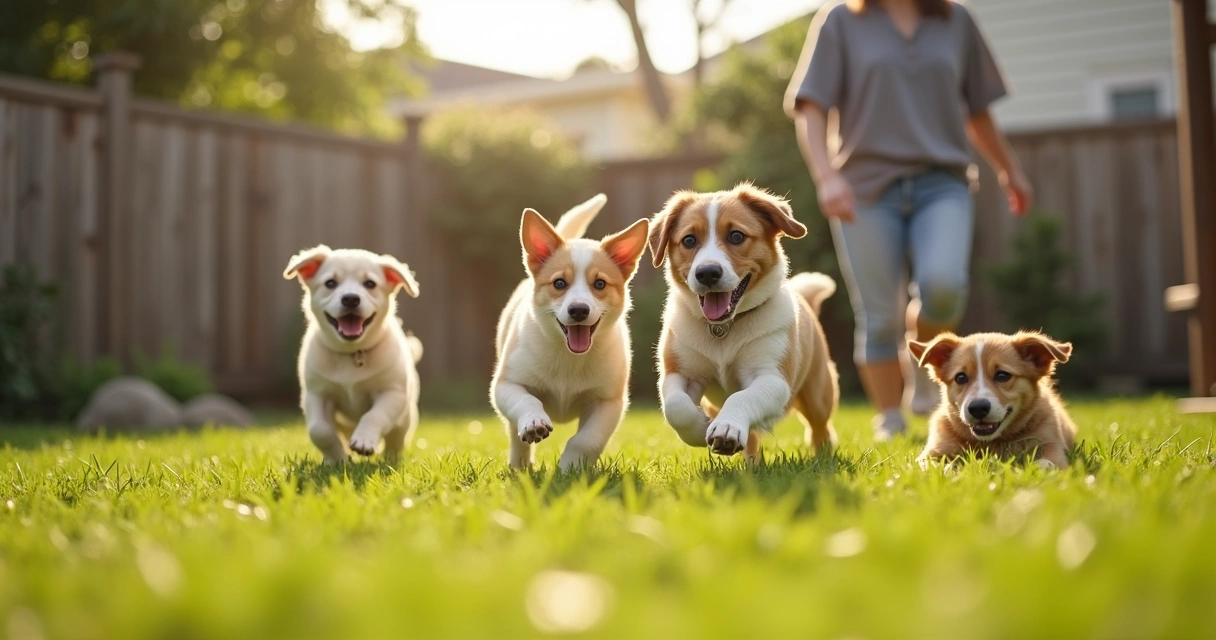
These accounts reflect the emotional and physical importance of an environment without unnecessary restrictions. It is the type of experience shared at Pet Boarding Familiar no Porto, because we believe that the absence of bars makes all the difference.
Advantages of free space for the dog
We list some of the great benefits of keeping a dog free from confinement during boarding time:
- Marked decrease in stress and signs of separation anxiety;
- Easier adaptation to new environments due to the desire to explore;
- Promotion of positive relationships with both humans and other animals;
- Reinforced physical health thanks to free movement and cognitive stimulation;
- Possibility of resting in places chosen by the animal themselves, encouraging real relaxation;
- Greater transparency and trust from the guardian through constant contact and routine records;
If you would like to know more about our services or ensure availability for your best friend, check our services area and check the calendar in availability. We are always ready to adapt strategies to the individual profile of your furry friend and ensure the comfort and safety of everyone.
How to choose a cage-free boarding?
Before proceeding with any temporary accommodation, we recommend:
- Visiting the location, getting to know the environment, and talking to those who will care for the animal;
- Asking openly about the routine, schedules, and forms of socialisation;
- Checking if there is permanent supervision and how monitoring is carried out;
- Looking for opinions from other guardians with previous experiences;
- Confirming if there is the possibility of previous adaptation visits;
- Asking to see photographic records or videos of the daily lives of the animals received.
By doing this, we ensure greater peace of mind for both owners and animals.
Conclusion
At Pet Boarding Familiar no Porto we refuse the use of enclosed spaces to host dogs. We advocate that every animal deserves freedom, affection, and respect, even when their guardians are away. Our philosophy is based on personalisation, transparency, and a commitment to the animal's well-being, believing that cage-free family boarding is much more than a simple alternative: it is a responsible and conscious choice.
Get in touch with us, visit our space, meet our team, and discover how your dog can enjoy a calm, happy stay, free from bars. Book a visit or talk to us directly on the contact page. The future of animal well-being starts with small choices.
Frequently Asked Questions
What is cage-free boarding?
Cage-free boarding refers to a service where dogs are not kept in boxes or enclosed spaces, but rather integrated into a domestic, free, safe, and supervised environment. Here, they can move around the different spaces of the house, play, rest, and interact, feeling like part of the temporary family.
How to prevent the dog from staying in cages?
The best way is to choose a boarding service that does not use enclosed pens in its concept. You should inform yourself about how it works and ensure the routines practiced. A prior visit can be useful, as well as talking to the service provider to see if there is total alignment with this principle.
What alternatives to cages exist in boarding?
As an alternative to confinement, we opt for family and open environments, structured socialisation, and constant supervision. There are also integration sessions, daily walks, and voluntary refuge zones, where the dog can isolate themselves whenever they wish, but without the obligation to remain locked up.
Are there risks for the dog staying in cages?
Yes, there are risks associated with confinement, such as increased anxiety, behavioural problems, isolation, chronic stress, and even physical problems due to lack of movement. Dogs that spend time in open and supervised environments generally have better mental and physical health.
Where to find cage-free boarding in Portugal?
There are accommodations that follow the Pet Boarding Familiar concept, like our project in Porto. You can learn more about our experience, see real photos, or find out about our methods by consulting our website.
Automatic translation of the Portuguese original.