
Socialização
How to prepare your dog to socialise with other animals
Learn how to socialise with other animals safely, identifying signs and promoting positive encounters for your dog.
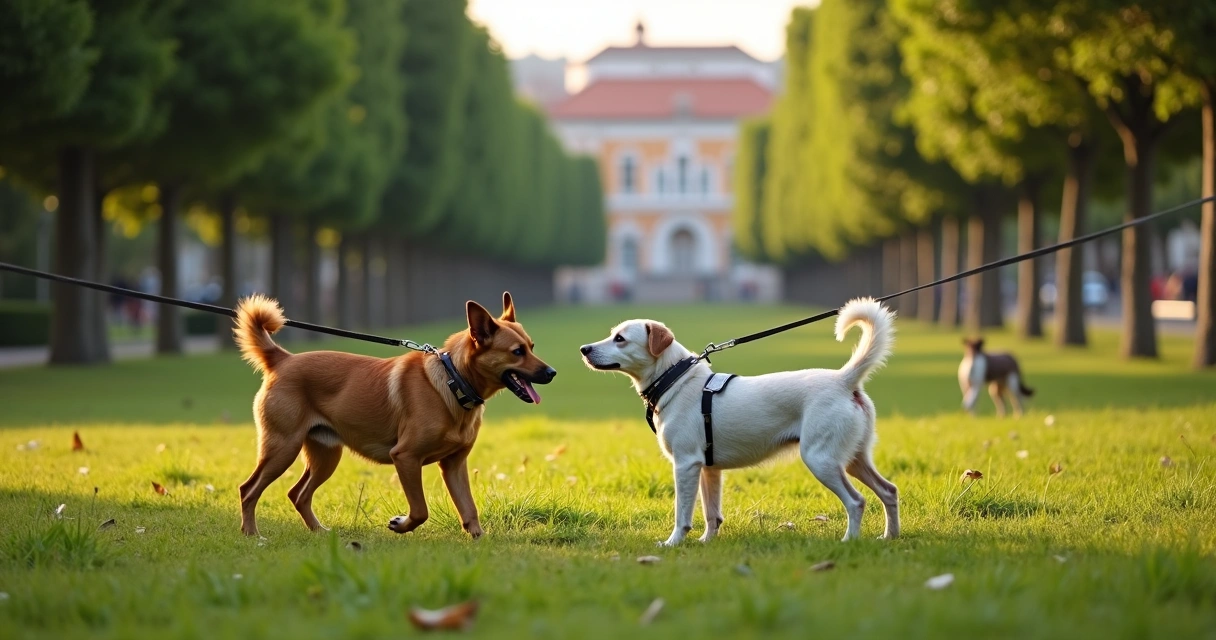
Living together with other animals is one of the topics most frequently brought to us here at Pet Boarding Familiar in Porto. Many owners want to provide their dog with a richer, calmer and happier life, but do not know where to start when it comes to introducing their pet to other four-legged friends. Whether on walks, in parks, family environments or during boarding, learning in this area makes all the difference for both the dog and the owner.
Throughout this article, we will share real-life situations, techniques used by specialists, signs to watch out for and practical tips that we apply daily to ensure a progressive, safe socialisation based on respect for animal welfare.
Why socialise your dog with other animals?
A sociable dog tends to have less stress, displays fewer aggressive or defensive behaviours and feels safer in varied environments. Socialising is not just about bringing two animals together randomly. It is a gradual process, with clear stages and plenty of observation of each animal's behaviour.
Furthermore, socialisation minimises delicate situations in a family boarding context or during visits at home, and facilitates daily life in public places, such as cafés, parks and even veterinary clinics.
When should we start socialisation?
The ideal is always to start socialisation as a puppy, during the so-called “sensitive period” between three and twelve weeks of age. However, we know that reality does not always allow for this. Many owners adopt dogs as adults or have animals that have already developed fears or defensive behaviours.
If you have an adult dog or one that shows fear towards other animals, it is never too late to start. We just need to adjust the plan, have patience and respect the individual pace.
Preparation before the first encounters
Even before introducing the dog to other animals, it is fundamental that they know and trust the person accompanying them. Good preparation can prevent problems in the future.
- Work on basic commands: Sit, stay and come are indispensable for controlling the animal in new situations.
- Habituate the dog to using a lead and harness in different environments to ensure their safety.
- Gradually introduce different sounds, smells and visuals related to other animals.
Active participation and patience are our best allies.
Tips for the first contact with other dogs
At the moment of first contact, we must create a predictable and comfortable environment. After ensuring both animals are healthy and vaccinated, we suggest opting for neutral locations for the first interaction.
- Keep both animals on a lead.
- Allow them to observe each other from a distance, reading each other's body language.
- Avoid sudden jerks; convey calmness with your gestures.
- Reward positive behaviours, whether with a calm voice, affection or a treat.
- If there is tension or fixation, move both away, giving them space until they relax.
Our family petsitting service in Porto, for example, places great emphasis on controlled encounters, always under supervision and respecting each animal's time until genuine acceptance is achieved.
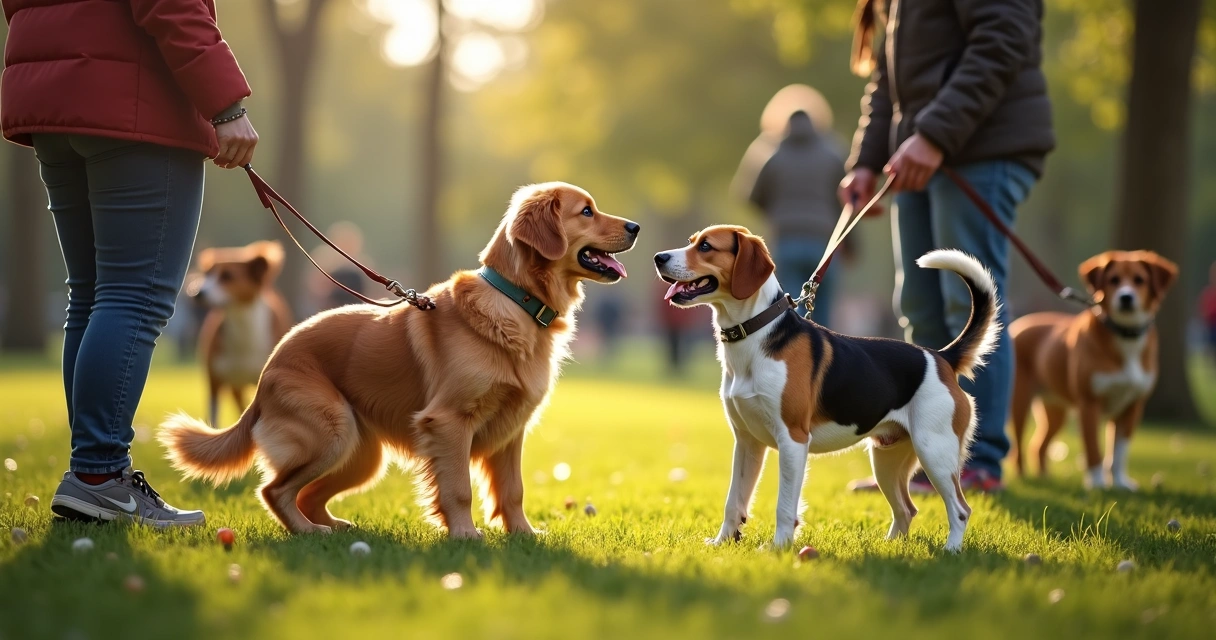
Recognising signs of stress and good adaptation
Observing the dog's body and gestures is urgent to ensure well-being and identify possible blockages. Not all dogs communicate in the same way, but there are physical signs that we must learn to identify.
Signs of discomfort or stress
- Excessive drooling.
- Licking lips frequently.
- Yawning out of context.
- Staying very rigid or trying to hide behind the owner.
- Growling, barking insistently or showing teeth.
If you notice these signs, never force an approach. Backing away is a natural stage of the process.
Signs of relaxation and good acceptance
- Light and relaxed movements.
- Tail wagging gently.
- Calmly sniffing the other animal without rigidity.
- Showing interest without intense fixation.
Every dog has its own time. Mutual respect is the best path.
How to promote good experiences in controlled contexts
Socialisation works best when we do everything in a well-planned way. The following tips can be applied both by those intending to introduce their dog to another pet, whether at home or on organised walks.
- Define the contact space: Always opt, in the first attempts, for open spaces that allow for retreat.
- Do not form large groups straight away. Start with individual encounters and expand gradually.
- Avoid situations of high excitement, such as favourite toys in the middle of the group or the arrival of food.
- Always stay alert to the behaviour of both and be prepared to intervene.
In the encounters promoted by Pet Boarding Familiar in Porto, we believe that the family environment itself, with free access throughout the house and an absence of cages, favours acceptance and reduces territorial disputes common in traditional facilities.
Socialisation with other species: cats, rabbits and more
Experience shows us that dogs interacting with cats, rabbits and, sometimes, birds require even more care. The first step is to ensure that each animal has its safety zone and that encounters are always supervised at the beginning.
Then, use positive rewards:
- Reinforce calmly at the slightest sign of tolerance.
- Always work with the dog on a lead and an escape route for the other animal.
If possible, allow them to get to know each other through smell first, using a blanket that already has the other animal's scent. Only after seeing tolerance and calmness should you proceed to direct contact.

The role of routines and consistency in the process
The key for a dog to behave better around other animals is positive repetition. Establishing routines of controlled coexistence, with schedules for shared walks, nearby meals and small joint play sessions, helps to increase confidence and reduce natural barriers.
Be persistent and maintain regularity. Progress may be slow, but every positive moment leaves a mark on future behaviour.
How to act in situations of conflict or setback?
Even with the best planning, it is possible to encounter the odd setback. When there is barking, tension or clear signs of dispute, never punish. What we suggest:
- Calmly move both animals away.
- Let them recover in different locations.
- Resume contact gradually, only when you notice signs of calmness.
- Maintain a positive attitude and seek to reinforce quiet behaviours.
Pauses are not failures. They are part of the journey.
Socialisation on community walks
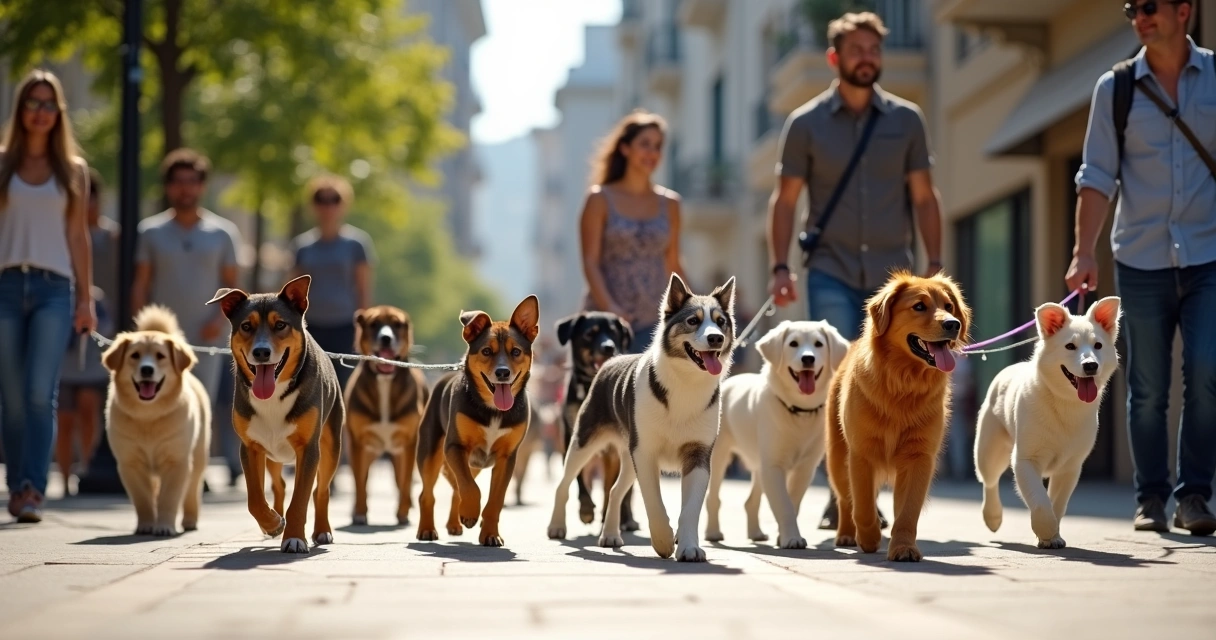
Group walks are an excellent opportunity to deepen interaction between dogs. In controlled environments, dogs learn to communicate healthily, to relax in the presence of others and also benefit from physical and mental tiredness.
- Start with short routes, with few dogs.
- Gradually increase the duration and the number of participants.
- Always have at least one person per dog to ensure safety.
- Use rewards and affection whenever you notice good interaction.
In the experience gallery on our website, we share some of these moments, showing how healthy interaction is possible, even with initially fearful dogs.
Benefits of family boarding in the socialisation process
By opting for family boarding, the dog is integrated into a balanced environment, without cages and with routines closer to those they have at home, which makes the process of adapting to other animals less tense.
During the stay at Pet Boarding Familiar in Porto, we send photos, videos and daily updates, which brings peace of mind to the owner and allows them to follow the progress of the socialisation.
With contact with other dogs and, sometimes, with animals of other species, it is possible to observe concrete progress even in the most difficult cases. The freedom to circulate freely through the house, together with professional monitoring, often results in successful socialisation, even in adult dogs with difficulties.
Real examples: stories of overcoming
We frequently receive dogs with a history of fear or aggression in the presence of other animals. A recurring case is that of shelter dogs, unaccustomed to contact and who, during the first few hours, keep their distance or show signs of discomfort.
We always use gradual introduction, starting with encounters through partitions – such as a balcony glass or a safety gate – until sharing the same space. In about a week, a different disposition is already observed, with curious looks and a more confident approach.
The secret has been to respect each one's time, never force, and reinforce each positive experience, not only with treats, but mainly with affection and freedom.
What to do before entrusting your dog to a shared environment?
Before leaving your dog under external care or in a family stay context, we suggest:
- Informing the carers of the animal's entire routine and preferences.
- Sharing health issues, diet, medication and any specific fears.
- Checking that vaccinations are up to date and anti-parasite protection is active.
- Asking about the socialisation method adopted by the chosen service.
At Pet Boarding Familiar in Porto, we greatly value this initial dialogue. In our availability calendar, we always adjust dates to ensure harmony between all temporary residents.
When to seek professional help?
In some cases, the presence of a professional trainer may be most appropriate. We suggest asking for professional support whenever intense signs of fear or aggression are observed, or if, even after repeated attempts, the dog does not show progress.
Specialised monitoring can speed up the process and avoid major incidents, as well as guiding the owner on specific techniques to apply daily.
Extra tips for maintaining harmony at home
Some simple actions that we suggest to all owners:
- Keep "refuge" corners available for each animal.
- Separate meals to avoid disputes.
- Create supervised and shared play sessions, respecting each other's limits.
- Positively reinforce any and all calm or curious interaction.
- Talk to other owners and share experiences – the process is much lighter when supported.
On our portal, we share suggestions, inspiring stories and news about petsitting and family boarding services that can help in the process of integrating animals into different contexts.
Conclusion
Dog socialisation is a challenge and a privilege. Seeing them gain confidence, discover new friends and relax in diverse environments is the best reward an owner can receive. With patience, consistency and using positive reinforcement methods, even dogs with a more reserved history can achieve comfortable and enriching coexistence.
At Pet Boarding Familiar in Porto, we believe that welcoming environments, supervised experiences and constant sharing of information are key pieces to creating happy memories and calm animals. If you want to ensure your dog's well-being during absences, trips or routine changes, we invite you to learn about our methods or to get in touch with us to find out how we can help your furry friend live better in the company of other animals.
Frequently asked questions about dog socialisation
How do I teach my dog to socialise?
To teach a dog to live with other animals, we suggest starting with controlled and progressive encounters. Always use a lead, promote gradual approaches in neutral locations and reward with a calm voice, treats or affection as soon as the dog demonstrates quiet behaviours. Be patient, observe signs of discomfort and keep encounters short at the beginning. Consistency and positive reinforcement are decisive for gaining confidence in this learning.
When should I start socialising my dog?
The most appropriate time to start socialisation is during the puppy's sensitive period, between three and twelve weeks. However, it is also possible to socialise adult dogs, simply by adjusting the pace and having more patience during the first contacts. The fundamental thing is to ensure positive experiences and never force an approach.
What are the signs of anxiety during socialisation?
During encounters with other animals, signs of anxiety include hiding, a rigid body, constant lip licking, out-of-context yawning, excessive vocalisation and backing away from the other animal. In these situations, it is best to give the dog space, avoid punishment and try again later in a more controlled and calm environment.
Should I introduce other animals gradually?
Yes. The ideal is always to make introductions to other animals gradually, starting with just one and increasing the complexity of the groups as the dog shows confidence. Massive or rushed introductions only tend to increase stress and make the whole process more difficult.
What should I do if the dog shows aggression?
If you notice signs of aggression, such as growling, showing teeth or attacks, immediately move both animals away without shouting or sudden movements. Place each one in a safe space, give them time to calm down and avoid insisting on an immediate approach. If aggression persists, advice from a professional can be fundamental to adapt strategies to your dog's profile.
Automatic translation of the Portuguese original.