
Cuidados Animais
Dog Care Guide: Health, Hygiene and Well-being
Discover how to maintain a dog care routine, including hygiene, nutrition, vaccination and appropriate daily exercise.
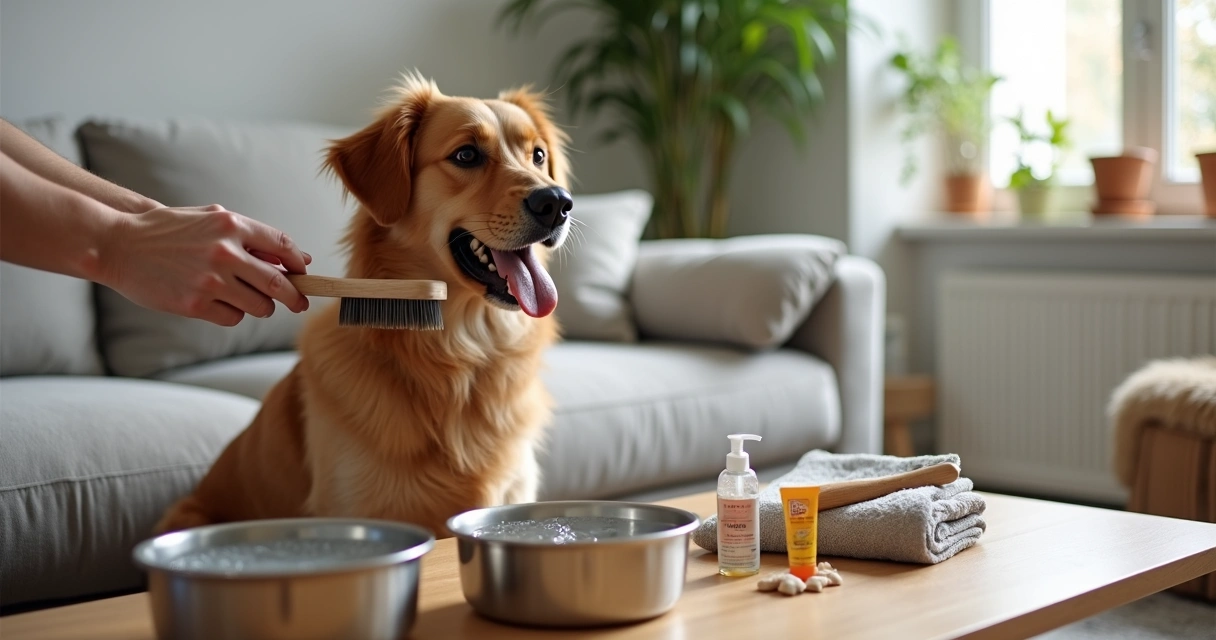
In Porto, many owners look for familiar and safe solutions to ensure the best for their furry friends. At Pet Boarding Familiar no Porto, we have created not just a space, but a complete routine of monitoring and affection that respects dogs' needs while owners work, travel or simply need extra help. This guide reflects our experience, passion and dedication, conveying the practices that make all the difference in dogs' daily lives and health. We will cover all the necessary aspects to promote a more balanced life for your four-legged friend: hygiene, nutrition, health, training, socialisation and comfort.
The value of a proper hygiene routine
Maintaining good hygiene goes beyond the usual bath. The impact of a consistent routine in cleaning and caring for our dogs extends to their physical, mental and social well-being. In our experience, a clean dog feels more comfortable and relaxed.
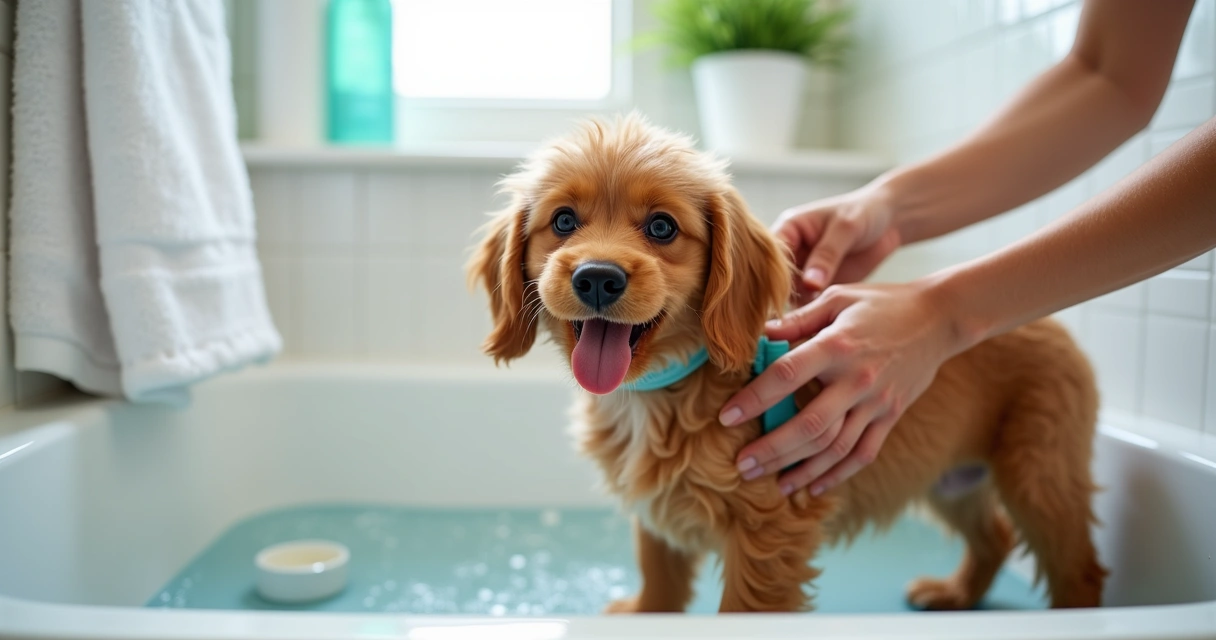
Bathing: frequency and effective techniques
Bathing is often seen as the foundation of canine hygiene. However, frequency depends on the animal's coat type, habits and health. Dogs with sensitive skin or short hair may require fewer baths than long-haired or very active breeds.
- Always use specific dog shampoos, avoiding human products.
- Ensure thorough drying to avoid dermatological problems.
- During the bath, take the opportunity to check for fleas, ticks and other parasites.
A bath at the right time can contribute to the dog's emotional and physical health.
Brushing: more than just aesthetics
Regular brushing removes dead hair, reduces dirt build-up and prevents mats, especially in long-haired dogs. Brushing the coat several times a week helps to strengthen the bond between owner and animal.
- Brushing prevents dermatitis and makes it easier to detect skin problems.
- Use brushes suitable for the animal's coat type.
- In addition to the coat, inspect the skin during brushing.
Ear, eye and nail care
Ear cleaning should be done with specific products and never with cotton buds. Clean eyes without discharge are a sign of health. And do not forget the nails: if they are too long, they can cause pain when walking or injuries. Maintaining these small routines prevents infections and discomfort for the animal.
- Clean the ears according to veterinary recommendation.
- Trim the nails if they are not worn down naturally.
- Observe eyes for signs of irritation or abnormal discharge.
Teeth: brushing and oral health
Many owners neglect oral health, but tartar and gingivitis can lead to systemic complications. Brushing teeth, even if not daily, makes a difference. Good oral health prevents pain, infections and even heart problems in dogs.
- Use specific dog brushes and toothpastes.
- Offer appropriate chew toys and snacks that help clean teeth.
- Consult the vet for professional evaluations and cleanings when necessary.
Balanced nutrition and the owner's role
Choosing the right diet is among the decisions with the greatest long-term impact on a dog's health. Sometimes, questions arise about kibble, homemade food, supplements and snacks. At Pet Boarding Familiar no Porto, we always follow the owner's instructions—it is they who provide the food, respecting what was defined according to veterinary guidance.
Kibble, homemade or raw food?
There are several approaches, but the most relevant is to ensure quality, freshness and variety within the limits of what is suitable for dogs.
- Kibble must be specific to age, size and nutritional needs.
- Homemade diets must be balanced and supervised by a vet.
- Raw food requires rigorous hygiene and deep nutritional knowledge.
What matters is that the diet is balanced and adapted to each dog.
Meal quantities and schedules
Stable schedules help the dog feel secure. As a rule, we divide the daily dose into two meals, but there are exceptions.
- Adult dogs usually eat twice a day.
- Puppies require more daily meals.
- Not leaving food available all day avoids overeating and obesity.
Fresh water always available
Continuous hydration is essential for our furry friends' health. Water should be changed at least twice a day and bowls must be clean. We ensure that, in all our services, fresh water is never lacking, even on the hottest days.
- Place more than one water bowl in large environments or with several dogs.
- Avoid stagnant water, especially during the summer.
Daily walks: movement, discovery and balance
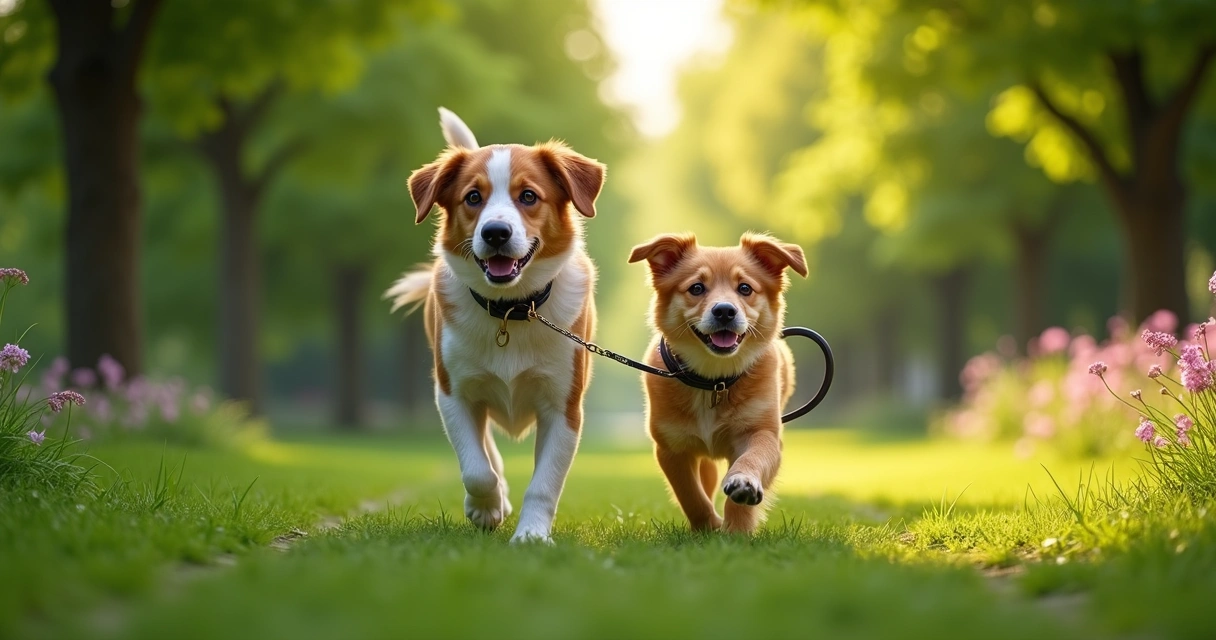
One of the pillars of daily care is ensuring regular and stimulating walks. These are not just moments of physical exercise, but opportunities to socialise, sniff, interact with the environment and burn energy.
Advantages of regular walks
- Strengthen muscles and bones.
- Improve mood and reduce anxiety.
- Allow the dog to explore, socialise and release accumulated energy.
Happy walks, calmer dogs at home.
Adapting to the dog's routine and personality
Each dog has its own pace and preferences. We respect each animal's personality and adapt the duration and route of the walk according to age, health and individual disposition. An adapted walk is more beneficial than a long walk without purpose.
Cage-free and stress-free environments
In the family environment we promote, we do not use cages. Dogs can move around freely, including during walks, avoiding stress and anxiety. They socialise with each other and with humans naturally.
Safety and supervision are always ensured to create pleasant and harmonious experiences, as if they were with family.
Socialisation: learning for life
Adult dogs and puppies benefit greatly from environments that promote safe interactions. At Pet Boarding Familiar no Porto, we focus on this structured and supervised socialisation.
Benefits of socialising with other dogs and people
Early socialisation reduces unwanted behaviours such as aggression, fear or anxiety and stimulates the ability to adapt to new situations.
- Develops social skills.
- Allows the dog to understand boundaries and hierarchies.
- Promotes confidence and emotional flexibility.
A well-socialised dog feels comfortable anywhere.
Progressive and accompanied integration
Introduction to new friends should be done slowly, always respecting the characteristics of each animal. We evaluate signs of stress, excitement or discomfort to ensure positive interactions. We give each one time to adapt. Forcing interactions can be counterproductive; the secret lies in respecting the dog's pace.
Stimulating activities
- Walks in small groups.
- Supervised play sessions.
- Introduction to new games and objects.
Positive training and appropriate reinforcement
Forming good habits and correcting unfavourable behaviours depends heavily on consistency and the chosen approach. Positive training, based on rewards and encouragement, is the method we follow and recommend. Dogs learn with more motivation when they associate learning with pleasurable experiences and positive feedback.
How to implement positive training?
The secret is to reward desired behaviours while ignoring those we want to correct, without resorting to physical or psychological punishment.
- Use healthy snacks, praise or toys as rewards.
- Keep sessions short and regular (5-10 minutes).
- Be patient. Not everyone learns at the same pace.
Practical everyday examples
- We teach basic commands like "sit", "stay" or "come".
- We encourage waiting calmly before going for a walk.
- We reinforce good social behaviour during meals and play.
Positive reinforcement creates trust, respect and an affective bond.
Vaccination and deworming: prevention first
Keeping the vaccination and deworming schedule up to date significantly reduces the risk of serious diseases. This preventive approach is a guarantee, not only for the dog itself, but for everyone living in the same environment.
What does the vaccination plan include?
In Portugal, mandatory and recommended vaccines include:
- Rabies vaccine (mandatory by law).
- Multivalent vaccines (protect against several diseases: parvovirus, leptospirosis, etc.).
- Kennel cough vaccine, important for environments with multiple dogs.
The vet is always the one who defines the schedule, taking into account age, clinical history and exposure risks.
Internal and external deworming
Includes regular treatments against intestinal worms, fleas, ticks and other parasites. The frequency varies, but in general, it is recommended to deworm every 1 to 3 months.
- We always observe the recommended intervals.
- We apply medications according to the owner's or vet's instructions.
- We monitor for signs of infection or infestation, acting immediately if symptoms appear.

Care on hot days: extra protection and hydration
Seasonal changes require increased attention, especially in the hotter months. Heat-related accidents, such as heatstroke or burns to paw pads, occur frequently. We have learned to prevent them by adjusting routines and care.
- We avoid walks during the hottest hours (from 11:00 to 17:00).
- We offer shade and cool places for rest.
- We watch for signs of fatigue, panting and excessive thirst.
- We protect paws on very hot surfaces.
On hot days, less is more. Prioritise coolness and hydration.
Sun protection for dogs
Some dogs, especially those with short hair or light skin, benefit from sunscreens specific for animals. These are applied to exposed areas, such as the nose or ears, to prevent burns. We should never use human products without professional guidance.
Tips that help to cool down
- Offer permitted fresh fruit, such as apple or watermelon without seeds.
- Organise water-based play.
- Provide cool towels in resting areas.
All of this ensures that comfort and safety are maintained even on the hottest days.
Monitoring and communication with owners
During stays with us, we consider communication one of the pillars of the service. We send daily photos and videos and are always available to answer questions via WhatsApp or other means. The owners' peace of mind is reflected in the animals' well-being.
- We inform about routines, walks, feeding and the day's small achievements.
- We report any different behaviour or unexpected symptom immediately.
- We facilitate adaptation, maintaining a continuous link between animal and owner even from a distance.
We leave nothing to chance. From face-to-face meetings to constant digital updates, every detail matters in building a relationship of trust.
You can learn more about how we monitor dogs' daily lives and see real records of stays through our gallery of photos and videos.
Comfort, freedom and safety: a cage-free environment
One of our greatest prides is reconciling freedom with safety. Dogs have free access to the house and the yard, being able to choose where to rest or play.
- Avoiding cages eliminates the feeling of isolation and stress for dogs, promoting healthy and natural bonds.
- The animals feel at home, which helps in adapting to short or long stays.
The freedom of choice within a safe space makes all the difference in the dog's experience.
Adaptation routine
When we receive a new furry friend, we dedicate the first phase of the stay to adaptation. We observe signs of discomfort, anxiety or joy, intervening only when necessary. Each dog deserves to have its time respected to explore, sniff and feel safe.
To confirm availability and learn about our approach before booking a stay, we provide practical tools in our booking calendar.
How to ensure quality in daily care?
Experience has taught us that it is the details that count. From the choice of the food bowl to the selection of toys, everything influences the balance and happiness of dogs.
- Maintaining a clean environment reduces infections and ensures comfort.
- Regular routines make dogs feel safe.
- Affection, conversation and play balance emotional energy.
We are adaptable to the specificities of each family, allowing for personalisation from small routines to training methods and socialisation.
How to choose a family pet sitting service in Porto?
Trust is not built just with words, but with proof in the day-to-day. At Pet Boarding Familiar no Porto, we believe in transparency and commitment.
- Previous visits allow you to get to know the space.
- Conversations clarify doubts and align expectations.
- Flexibility to adapt routines and methods according to the dog's profile.
Always look for references, see photographs, and talk directly to whoever will be looking after your animal.To find out exactly what options we offer, you can consult our services page.
It is not just about practical care. It involves affection, respect, open communication and constant attention to the animal's well-being. The secret to a happy dog lies in balance, freedom, safety, and above all, an affective bond.
Conclusion
Ensuring health, hygiene and balance for a dog is a daily commitment, but one full of rewards. With simple practices, professional guidance and plenty of affection, we provide a full life for our companions. At Pet Boarding Familiar no Porto, we witness daily the difference a familiar and respectful routine makes to dogs' well-being. Every detail counts: from cleaning to nutrition, from walks to training, from vaccines to close communication with owners. Anyone wishing to know more about our vision and tailored solutions can contact us directly via the online form. Your dog deserves to feel at home, even when they are away from it.
Frequently asked questions about dog care
How to ensure good hygiene for the dog?
We ensure good canine hygiene through regular baths, brushing appropriate to the coat type, cleaning ears and teeth, and maintaining nails at a comfortable length. It is important to always use products specific for animals and adapt the frequency according to the dog's age, health and lifestyle.
Which vaccines are essential for dogs?
The vaccination plan must include the rabies vaccine by law, as well as multivalent vaccines that protect against diseases such as parvovirus, leptospirosis and others. In family environments or with several dogs, the kennel cough vaccine is also recommended.
How to choose the best dog food?
The best food is that which is adapted to the dog's age, size, activity level and possible health condition, always following veterinary advice. You should prioritise complete foods specific for dogs, avoiding sudden changes and always ensuring fresh water is available.
What is the ideal frequency for dog baths?
In general, a bath every 4 to 6 weeks is recommended, but the frequency can vary depending on the coat type, daily activity and predisposition to dermatological problems. Long-haired breeds or dogs more exposed to dirt may need more baths, whereas short-haired dogs take longer to need one.
What signs indicate health problems in the dog?
Warning symptoms include changes in appetite, sudden weight loss, lethargy, vomiting, diarrhoea, changes in the coat and skin, respiratory effort or changes in behaviour. Regular veterinary follow-up and close observation are indispensable for identifying any anomaly early.
Automatic translation of the Portuguese original.