
Cuidados Animais
Essential care for elderly dogs during home boarding
Discover how to ensure comfort and safety in home boarding for elderly dogs with appropriate geriatric care.
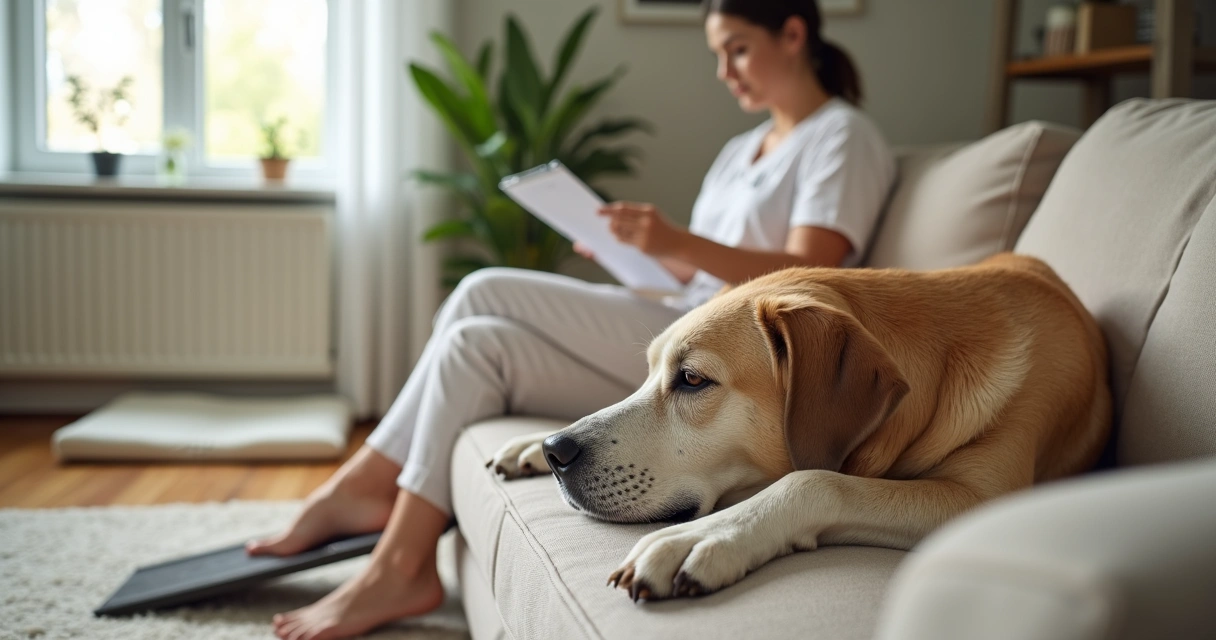
When I think of our four-legged companions who have already reached maturity, I always feel that extra bit of worry about how to guarantee their comfort and safety, especially when we have to be away from home. I've been through the anguish of having to leave a senior companion in someone else's hands and I know full well how the mind fills with doubts: is the environment adapted? Will they notice if he needs help? Will they have patience for the quirks that come with age?
Pet Boarding Familiar no Porto exists precisely to reassure owners like you and me, showing that it is possible to provide a loving home, without cages, even for dogs of an advanced age who require different care from younger ones.
What defines a senior dog and how do their needs change?
Normally, around seven to nine years of age, a dog begins to show signs of their golden years. Some breeds age earlier, others hold out longer. However, what I observe is certain: changes occur in their pace, mood and physical condition. There are moments when they just want to lie down. Others where they hear less or seem not to see their favourite toy. Teeth aren't what they used to be and digestion can become more sensitive. Small changes, but ones that completely transform the way we should care for them.
Patience becomes our number one ally.
It is at this stage that the expression “routine is comfort” makes even more sense. In my time spent with elderly dogs, I realised that anything out of the ordinary – food changes, new people or even different noises – can be a source of stress. Therefore, when thinking about home boarding, everything must revolve around adaptation.
Practical care during boarding for older dogs
Maintain family schedules and routines
I never underestimate the power of schedules. I've noticed that by keeping feeding at the same intervals and walks at the same time, the animal feels secure. There's that glint in their eye at the right time, the expectation for the walk outside and even that acceptance of taking medication (there are always tricks to help). A sudden change? No, thank you.
- Feeding with what they are used to, in the right doses;
- Calm, short walks, always at the same pace and route;
- Water always available at easy-access points;
- Sufficient light in environments to compensate for any vision difficulties.
I rely on this because I've seen veteran dogs become less anxious just by following their day-to-day routine. If there are interruptions, the first things to suffer are appetite or rest.
The importance of details in the environment
Home environments need some basic adjustments to welcome a senior furry friend. In my experience, using non-slip mats even on slippery floors prevents unexpected falls. An improvised ramp, instead of stairs, can turn an inaccessible space back into a favourite, reachable resting spot.
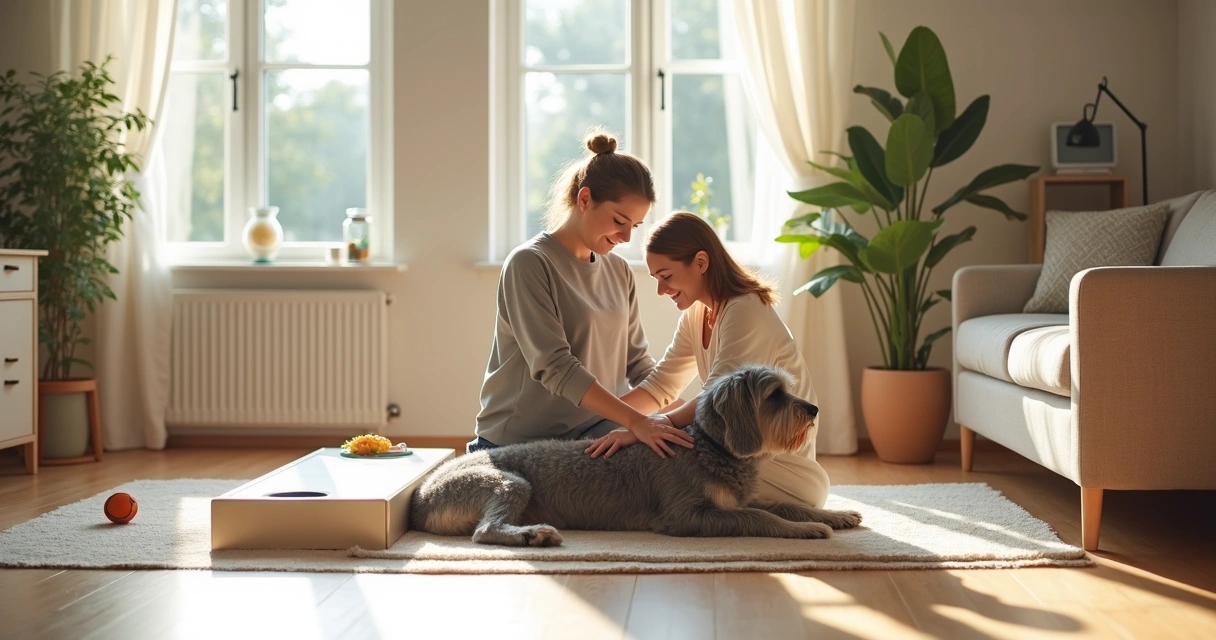
- Non-slip flooring near resting areas;
- Ramp to help climbing onto the sofa or bed;
- Barriers for areas that could be dangerous (stairs, rooms with fragile objects);
- Lower beds, so as not to require risky jumps;
- Avoid excess furniture or obstacles in corridors and access ways.
This care ensures that movements, which are already slower, do not turn into risky situations. I once monitored the stay of a senior Labrador in a well-prepared space and noticed clearly how he moved confidently, without trips or hesitations. A safe environment makes all the difference.
Attentive observation: medication and signs of discomfort
A significant part of monitoring ageing dogs is the correct administration of medication and the recognition of symptoms that indicate discomfort. I've seen animals that, without their daily drops, quickly showed signs of pain, urinating in the wrong place or, in the case of old amputations, reluctance to move. For this reason, direct communication about medicines and routines is indispensable between the owner and the person receiving the animal.
I usually make lists and reminders in a visible place. Some examples:
- Clear indication of dosages and medication times;
- How to administer (hidden in food, mixed with yoghurt, crushed?);
- Name and contact of the reference vet;
- Warning signs that require an immediate call (total loss of appetite, whimpering, persistent diarrhoea, falls, etc.);
- Medical file or record book always at hand.
Caring for an elderly dog is, above all, not neglecting any symptom.
Pet Boarding Familiar no Porto values the regular sending of videos and updates to ensure this trust and peace of mind; by sharing via WhatsApp, I can see how the adaptation is going, if they are eating well, if they are walking happily or if they prefer to sleep more that day.
Choosing experienced hosts makes all the difference
In my opinion, it's not enough to like animals; to care for senior pets, you need a special sensitivity. Dogs with some degree of senility may not let you know they are unwell, manifesting discomfort only with a look or a sigh. Someone experienced can notice these small details and react quickly.
- Noticing if the dog avoids one side of the body when walking;
- Recognising sudden lack of appetite;
- Understanding that excessive barking can be disorientation and not just “stubbornness”;
- Detecting small wounds – especially in animals with reduced mobility.
I've seen hosts who only need a gesture to realise if they need to shorten the walk or change the walking grip. This attention is only acquired with experience, presence and a true passion for animal welfare. In a home environment, where there are no cages or cold partitions, it becomes easier to closely monitor every change in behaviour.

Environmental adaptation: light, temperature and noise are fundamental issues
Over time, the senses of mature dogs become more fragile. I've witnessed scenes where a loud noise makes the animal wake up startled, or where the absence of sufficient light causes confusion at dusk. When preparing the house, I usually:
- Ensure soft (but sufficient) lighting in transition zones;
- Avoid sudden changes in temperature;
- Reduce noise (no loud music or vacuum cleaners running during rest periods);
- Place beds away from doors and windows where there are draughts;
- Keep the dog's objects – toys, favourite blankets – within reach, reinforcing the feeling of belonging.
In the context of boarding like that promoted by Pet Boarding Familiar no Porto, these practical aspects are seen as an extension of base hospitality: ensuring comfort, safety and affection, just like at the owner's home.
Tips for giving safe instructions to the sitter
A good handover is essential. I don't just rely on memory – I write everything down, and I always advise owners to do the same. Well-made documentation can prevent scares – especially when there are medications, critical times or dietary preferences to consider.
Preparing a detailed sheet makes all the difference in the boarding experience for older dogs.I always include:
- A sheet with all preferences: meal times, type of food, ideal water temperature, favourite sleeping spot;
- Exact list of medications: names, times, quantity and how to administer;
- Direct contacts for emergency situations (owner, available relative, vet, trusted emergency service);
- Observations on typical animal behaviours (barking, snoring, ways of asking for food or showing pain);
- Instructions on how to react in case of accident, gastrointestinal upset, fall, cuts or escapes;
- Indication of whether the animal tolerates visitors or other animals nearby;
- Update on vaccinations, dewormers, and any medical restrictions.
The more information we give, the smoother the stay will be.
This preparation not only prevents mistakes but also allows the sitter to react quickly and without hesitation. I also recommend, to further this type of preparation, consulting content related to specific animal care and examples of previous stay experiences.
Emotional well-being of senior pets in a family environment
If there's one thing that stayed with me from the various situations I've experienced with dogs that have passed “the 10-year mark”, it's that emotional comfort is half of the animal's health. The family environment makes them feel integrated – even in a new space, the smells, sounds and proximity of loving people help reduce the longing for home. I never underestimate the power of a calm word, a stroke at the right time and well-maintained routines.

I've already tried leaving a toy or a piece of clothing with the owner's scent at the boarding location. The animal recognises it, feels safe, and this invisible connection makes a difference.
For those who want to delve deeper into well-being in the context of travel and separation, I recommend checking the indications in the well-being category, as well as recommendations before travelling in transit situations.
How to ensure a smooth transition before, during and after the stay?
There are strategies I've been applying after some less successful attempts. One is to make a short visit before the final stay. That way, the dog gets to know the new space, explores slowly, smells the scents, hears the voices. The first contact with me or other hosts is always calm, unhurried, without noise and preferably in the company of the owner; it's an introduction, not an abrupt drop-off.
During the stay, constant updates via WhatsApp – whether photos or videos – reduce anxieties on both sides. The owner sees that the animal is well; the sitter feels more confident.
After the stay, I recommend observing the animal for a few hours: notice if they maintain their appetite, seek more attention or sleep excessively. In normal situations, they return to their usual routine. If you notice changes, it's best to contact the vet.
At Pet Boarding Familiar no Porto, every dog has free access to all environments, without cages and with the right to plenty of daily cuddles – and this constant contact ensures peace of mind for those who need to travel or be away. The familiar and personalised environment makes the difference, as I've mentioned several times throughout this text.
To better guide families looking for boarding services adapted to the canine senior years, I insist on the importance of these practices. The difference is felt in every small detail.
Conclusion
I share my conviction: boarding older dogs in a well-prepared domestic environment is not only possible, it is genuinely recommended. With basic home adaptations, planned routines, affection and vigilance, the experience can be as positive as the owner's own home. If you are looking for a place where your senior companion receives individual attention, appropriate canine geriatric care and permanent contact, I recommend getting to know Pet Boarding Familiar no Porto better. You will find the support here that reassures, both through the space and the prepared and affectionate team.
If you still have doubts or need to clarify any detail about your veteran dog's stay, contact us or consult our animal care, well-being or services categories. The comfort and health of your senior pet is our priority.
Frequently asked questions about elderly dogs during home boarding
What special care do elderly dogs need?
Senior dogs require age-appropriate feeding, routines without sudden changes, strict administration of medication, regular health supervision and environmental adaptations such as non-slip mats and easy access to beds and resting spaces. Close monitoring for signs of pain or discomfort is also essential.
How to prepare the home for senior dogs?
Easy access to all spaces should be ensured, non-slip flooring should be placed, ramps should be used instead of stairs, beds should be positioned in quiet and well-lit places and obstacles should be removed from paths. It is important to minimise loud noises and provide adequate thermal comfort.
What food is recommended for old dogs?
Appropriate food for seniors should be low in fat, high in fibre and suitable for the animal's size, following veterinary recommendations. In some cases, it may be necessary to opt for wet food or personalised diets, especially if there are dental or digestive problems associated with age.
Is it safe to board elderly dogs with another family?
Yes, provided the environment is safe, familiar, personalised and the sitter is well-acquainted with the specific signs of this stage of life. The secret is to choose hosts with experience in canine geriatric care and ensure detailed information about the animal's routines and needs.
How to minimise stress in elderly dogs during boarding?
Predictability and routine are the keys to reducing anxieties.Allowing a gradual adaptation period, keeping familiar objects (toys, blankets), following the same feeding and walking times, communicating with the owner via messages and videos and ensuring a calm environment allows the animal to adapt with much less stress.
Automatic translation of the Portuguese original.