
Bem-Estar
5 reasons to avoid cages when boarding your dog
Discover the negative impacts of cages on dog welfare and learn about alternatives that promote comfort and freedom.
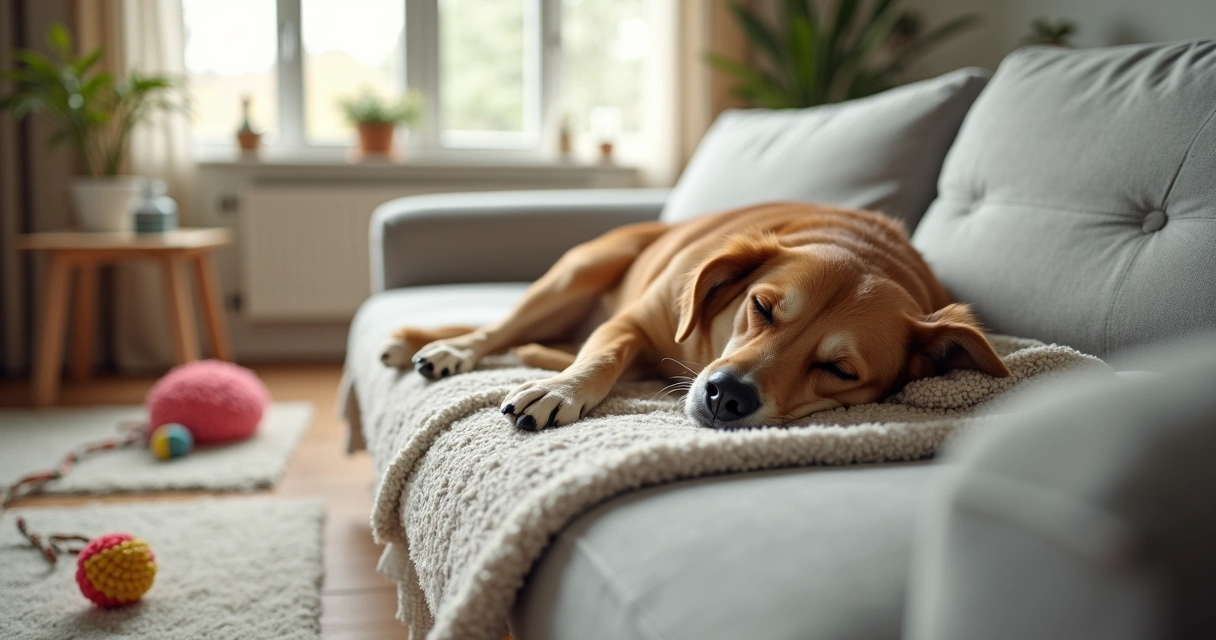
When we consider where to leave our dog while we work, travel, or need a few days of rest, there is a fundamental question that must be asked: will the environment offered respect the physical and emotional well-being of our pet? The use of cages or enclosed spaces in boarding situations has become an increasingly debated topic among specialists, owners, and those who care about the happiness of our four-legged friends.
At Pet Boarding Familiar in Porto, we have already witnessed several positive transformations in dogs welcomed into an environment without the use of cages. Behaviour changes. The look in their eyes changes. The comfort is noticeable. Based on several recent studies, real-life reports, and testimonials from owners and veterinarians, we strongly advocate that the cage-free family model brings clear and indisputable advantages.
The concept of cage-free boarding
Before presenting the main reasons for opting for cage-free environments, it is important to clearly explain this approach. Family boarding, like the one we provide at our space in Porto, rejects traditional confinement, favouring freedom of movement, guided socialisation, and respect for the animal's routine.
Unlike older methods, where dogs were kept in closed and isolated spaces, here the pup moves freely through the house, keeps the host family company, and integrates into daily life with other animals, always with supervision and respect for their space and personality.
Comfort begins when we eliminate physical and psychological barriers.
This presence of the human and canine family, combined with the absence of cages, provides a smoother, less stressful transition and ensures that the dog does not feel the owner's absence as abandonment, but rather as a new, interesting, and positive experience.
1. Emotional well-being of the dog
The emotional impact of confinement is the first reason to highlight. Dogs, by nature, are social and curious beings. For them, being locked up goes against their most basic instincts.
Stress and anxiety generated by confinement
Recent studies demonstrate that dogs isolated in small spaces, even for short periods, are more likely to show clear signs of stress and anxiety:
- Excessive panting and constant restlessness
- Compulsive paw licking or other obsessive behaviours
- Crying, barking, and escape attempts
- Loss of appetite and lethargy
Veterinarian Dr Paulo Nunes, with whom we have worked on difficult adaptation cases, notes:
“When exposed to small spaces without stimulation, dogs can develop conditions comparable to what we call severe separation anxiety.”
Having followed dogs that had already experienced these situations, we notice huge differences when they are integrated into a routine without confinement. Free access to environments creates confidence, reduces fear, and allows the dog to explore safely.
Real cases in a family environment
Lila's owner, a six-year-old Labrador, shared her experience with us when switching from a conventional boarding model to our family service:
“I noticed that Lila came home more relaxed and happy. She didn't show any change in behaviour the following week, as had happened before. She arrived home and stayed calm, which never happened after stays in closed spaces.“
This type of feedback is frequent and reinforces our conviction: freedom of movement decreases stress symptoms, and the dog feels welcome instead of feeling trapped or punished.
2. Protected physical health
Just like emotional well-being, a dog's physical state can be negatively affected by the prolonged use of cramped or confined spaces during boarding.
Physiological consequences of restricted space
Owners and specialists point out that physical symptoms arise in small spaces, namely:
- Muscle pain due to lack of exercise
- Difficulty maintaining hygiene and thermal comfort
- Possibility of skin lesions appearing
- Worsening of osteoarticular diseases in older dogs
Dr José Luís Ferreira, a veterinary physiotherapist, adds:
“Dogs need freedom to move, stretch, run, and keep their bodies active. Continuous restriction can contribute to silent physical pathologies, such as muscle stiffness or limb atrophy.”
In cage-free environments, such as those we provide at Pet Boarding Familiar in Porto, the dog can follow the pace of the house, jump onto the sofa when they want, stretch out in the sun, run in the garden, use toys, and maintain adequate levels of motor activity.
The importance of a safe and free environment
It is not enough just to let the animal loose. The whole house must be prepared to prevent escapes, accidents, or access to dangerous objects. It is also essential to respect individual needs. There are more active dogs, others who prefer to rest, each with their own rhythm.
Health is also measured by the space given to be a dog, fully.
It is based on this conviction that we adapt the environment to each canine guest, personalising the daily routine of walks, playtime, and feeding.
3. Facilitated adaptation and socialisation
Another reason that leads us to reject the use of cages relates to the process of adapting and socialising the dog in another space and with other animals or people.
Environments of freedom and positive exchange
When the dog arrives, they smell new scents, hear different voices; everything is new. If they are immediately placed in a closed space, they feel fear, strangeness, and withdrawal. In freedom, the process takes place gradually, allowing the dog to choose when and how to interact. In our experience, this is reflected in faster and much more positive adaptation journeys.
In a family context, constant opportunities for guided socialisation are created:
- Observing temporary owners in daily tasks
- Controlled interaction with other compatible dogs
- Access to various scenarios in the house, from the garden to the living room
- Learning through stimuli and play
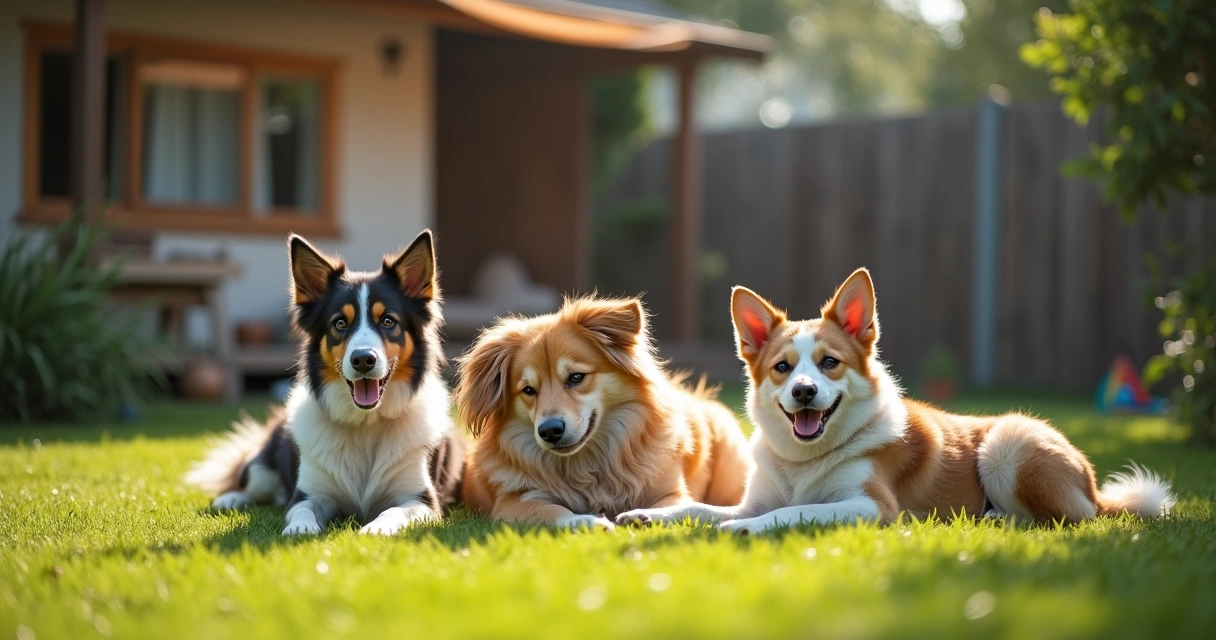
These moments promote healthy relationships and allow the dog, even if shy, to gain confidence with other pups and the people in the space.
Real integration testimonials
We remember the story of Dinis, a more reserved dog. On his first visit, he preferred to observe everything from a distance. Gradually, he approached other animals and began to participate in play. His owner's feedback after the stay was as follows:
“I had no idea that Dinis would interact so well with other dogs. He came home confident, almost unrecognisable. Freedom made the difference!”
This result is only possible because the absence of confinement encourages curiosity, play, and respect for the dog's will, without pressure or impositions.
Those looking for a service where their dog truly feels like part of the home can find out more about the available options on our services page.
4. Lower risk of trauma and unwanted behaviour
The fourth reason concerns the prevention of behavioural trauma and the development of negative behaviours associated with the use of cages during temporary stays.
Behavioural problems related to confinement
Dogs subjected to closed spaces, especially those who have never been accustomed to them, can develop:
- Phobias of small spaces
- Sudden aggression or excessive withdrawal
- Self-mutilation, chewing bars, or trying to escape
- Urination and defecation in inappropriate places due to stress
According to behavioural trainer Lara Marques:
“The less we associate the owners' absence with punishment or physical restrictions, the lower the likelihood of developing separation trauma or destructive activity at home.”
In our case, we have already received several reports from worried owners because their dog returned “different” after stays in places where confinement was used. The result is often felt at home, with regressive behaviours, the need for readjustment to routine, and, in more sensitive situations, the search for professional help.
Reducing risks and promoting balance
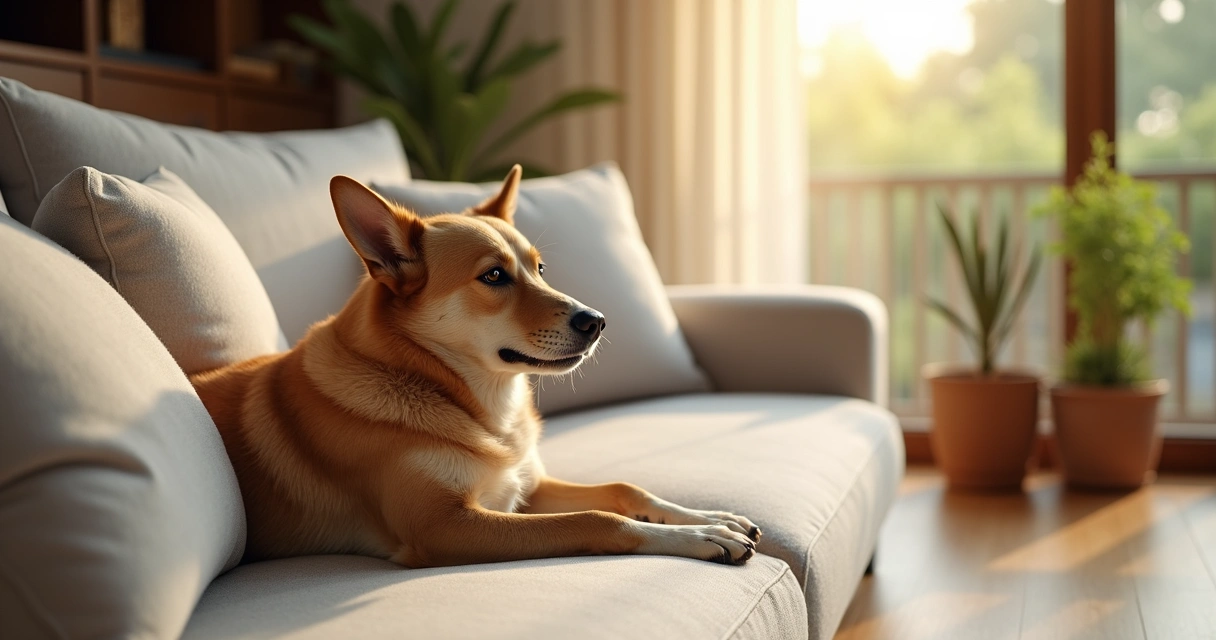
When we avoid closed spaces in boarding, we favour the animal's autonomy, self-confidence, and psychological peace. This translates into happier, safer pups who find it easier to resume their usual routine when they return to their owners' homes.
5. Positive experiences for owner and dog
Finally, but no less importantly, rejecting the use of cages creates not only a richer experience for the dog but also conveys comfort and confidence to the owner.
Peace of mind and permanent monitoring
Instead of giving up contact, we promote monitoring via WhatsApp, with regular photos and videos throughout the stay. Thus, the owner follows the daily routine, interacts, asks questions, and observes their animal's moments without barriers or filters.
This allows for the creation of a bond of trust, as, as a company, we know we are providing what we ourselves would like to receive if we were in the same position.
“It was different from anything I had ever tried. I saw videos of Óscar running around the house and I knew he wasn't locked in a corner waiting for time to pass.”
This is the type of testimonial we frequently collect, validating this family model of boarding, also available in our experience gallery for consultation.
Flexibility and personalisation
In addition to integration and freedom, cage-free boarding allows for personalised adaptation of behaviours, feeding routines, schedules, and habits. We accept suggestions from the owner and adapt each day to the animal's needs, whether they are more active, senior, shy, or adventurous. There is no standardised routine or inflexible impositions.
All details of the stay are previously agreed upon in our availability consultations, to ensure that each guest truly finds a comfortable, safe space tailored to them.
Conclusion: Cage-free boarding is respect and affection
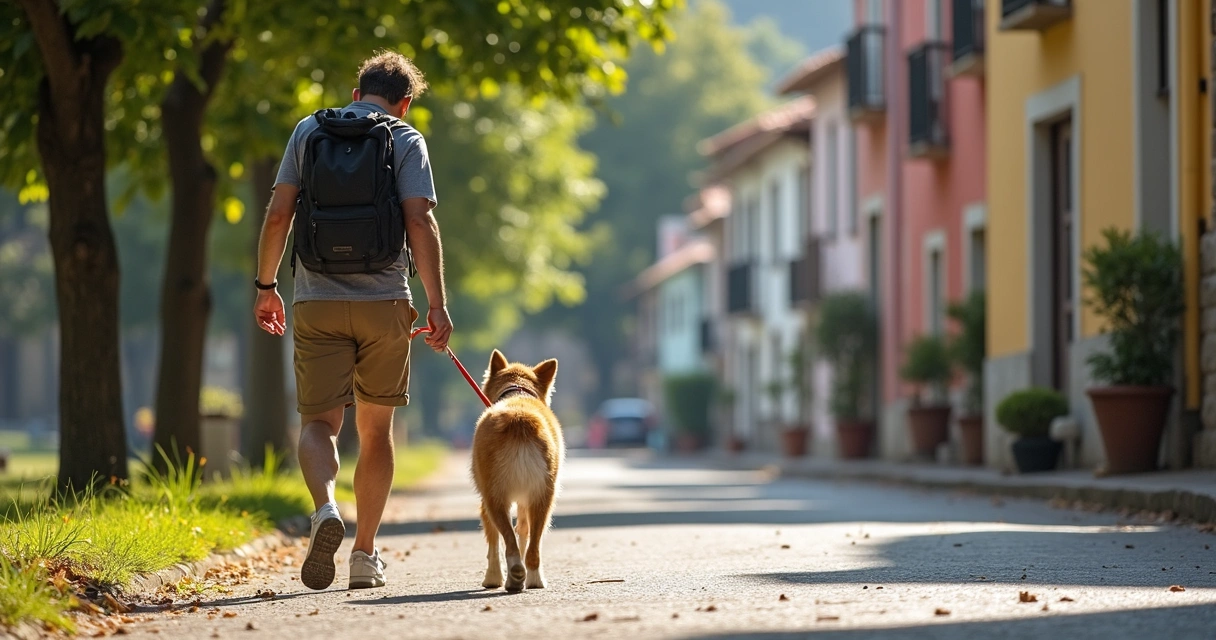
More and more owners are looking for family boarding alternatives that respect their dogs' personality and well-being. By opening the doors of our home and eliminating the concept of confinement, we give space for trust to grow, reduce stress, and promote a peaceful and happy return home.
At Pet Boarding Familiar in Porto, we believe that the secret to a serene dog lies in the freedom to be themselves, in a home that welcomes, respects, and cares according to individual needs.
If you are looking for a space where your pup can live a truly positive experience, without unnecessary restrictions, get in touch with us. We are available to help find the ideal family solution for you and your dog, always guaranteeing close monitoring, safe environments, and a stay full of affection and freedom.
Frequently asked questions about cage-free boarding
What is cage-free boarding?
Cage-free boarding is a service where dogs are not confined to boxes or cages during their stay. They are welcomed into a family environment, integrated with the house routines, socialise with people and other animals, and move freely under supervision. This model allows for greater physical and emotional comfort, promoting socialisation and adaptation without the imposition of physical barriers.
What are the risks of using cages for dogs?
The use of cages can harm the dog's emotional and physical balance, causing anxiety, stress, health problems such as muscle pain, and worsening of joint diseases. Furthermore, it increases the chances of unwanted behaviours, such as self-mutilation, phobias, aggression, or even depression, making it difficult to readjust to the routine after the stay.
How to find hotels that don't use cages?
The best way is to look for services that present clear references to a cage-free environment in their portfolio or website, with photographs of dogs in open spaces and testimonials highlighting the freedom offered. Confirming this information with the provider and asking to visit the location or learn about the routine before booking are recommended steps. The solutions provided by Pet Boarding Familiar in Porto can be consulted on our main page, where we show our commitment to animal welfare.
Is it safe to leave a dog without a cage?
Yes, as long as the environment is safe, adapted, and under constant supervision. The secret lies in preparing the space and monitoring by professionals who understand animal behaviour. Each animal has specific needs that must be respected. In adapted environments, dogs feel protected, have less stress, and a more balanced daily life.
What alternatives to cages exist for boarding?
Alternatives include family boarding, where the dog is integrated into the daily life of the home, participates in routines, has controlled access to all spaces, and receives personalised attention. Another option is large safe areas, fenced gardens, and open rest zones, always with a human presence. All these practices promote a sense of security and freedom, always prioritising animal welfare.
Automatic translation of the Portuguese original.