
Serviços
Home boarding vs professional hotel: differences and choices
Find out the differences between home boarding and professional pet hotels in Porto and choose the best one for your animal.
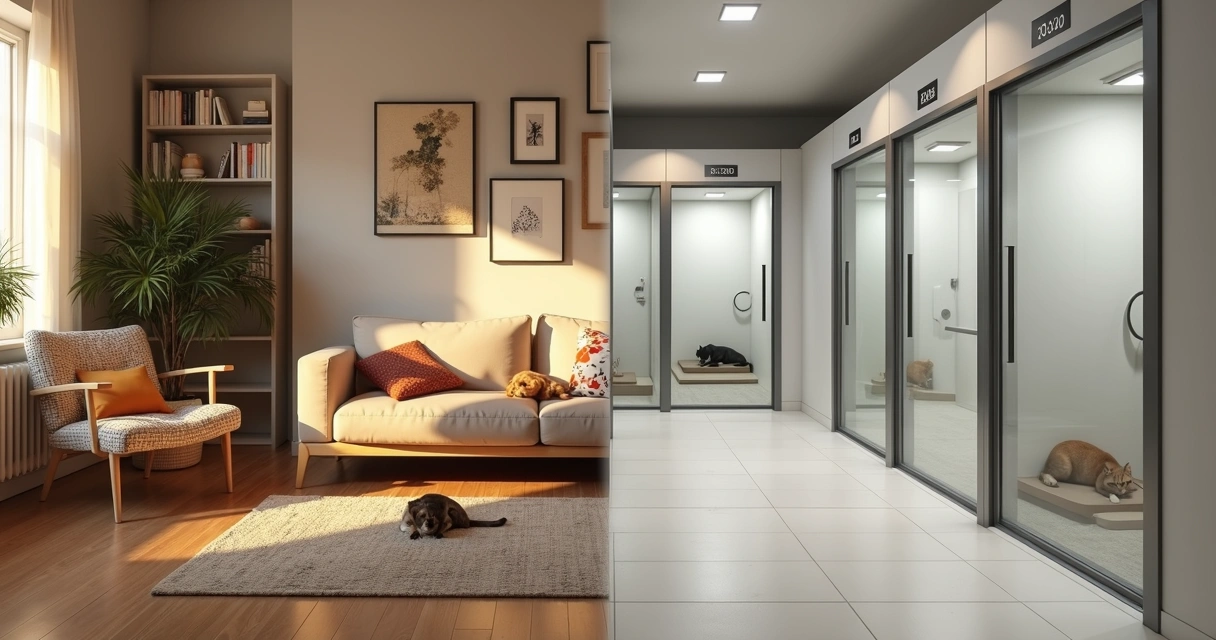
Choosing where to leave a pet can be a difficult decision, especially for those who live or work in Porto and are looking for a place of trust, comfort and safety for their best friend. For years, I have seen many families hesitate when choosing between alternative solutions, such as home boarding, and traditional pet hotels. The difference between these two types of stay goes far beyond the front door: it involves the environment, human contact, routines, price and even the emotional well-being of the animal itself.
Home boarding: a temporary home for your pet
When I talk about home boarding, I usually associate this solution with the idea of a small, stress-free refuge, where animals live in a true domestic environment, without cages or forced settings. The goal is not to replicate a hotel, but rather to offer the animal the comfort, freedom and routine of a real home. At Pet Boarding Familiar no Porto, for example, I always make a point of guaranteeing free access to the various spaces in the house, respecting the habits, schedules and preferences indicated by the owner.
The comfort of home, even when away from it.
The advantage of direct contact with the carer is very clear. Every day, I send photos and videos and keep an open line via WhatsApp, because I know that the owner's peace of mind is only possible when there is transparency. I've had owners say:
"I don't know who was more entertained, my dog or me receiving the updates!"
 Another highlighted point: socialisation is done in a balanced way, respecting each animal's rhythm. Daily walks are done just as the pet does at home. I always use the food or diet indicated by the owner, and if necessary, I administer medication according to instructions; I follow the animal's routine, I don't impose mine.
Professional hotel: structure, security and conventional service
The professional pet hotel, on the other hand, is usually associated with a larger structure. We are talking about facilities with the capacity to host many animals simultaneously, several employees, controlled recreation areas and, almost always, a model closer to traditional tourist accommodation. In this context, physical security and veterinary monitoring can be guaranteed by multidisciplinary teams, with defined procedures for the group.
But there are also differences felt by the animal itself: in professional hotels, access to different spaces is often conditioned by rules (schedules, shifts, capacity), and the pet's contact with people is diluted among various staff members. This does not mean the service is not careful, but rather that it is more standardised. For some owners, this standardisation can even be seen as a guarantee.
According to data from tourist accommodation reports, the occupancy rate and average stay have been increasing, demonstrating that there is demand for both family models and more institutional formats.
Comparison: comfort, contact and animal well-being
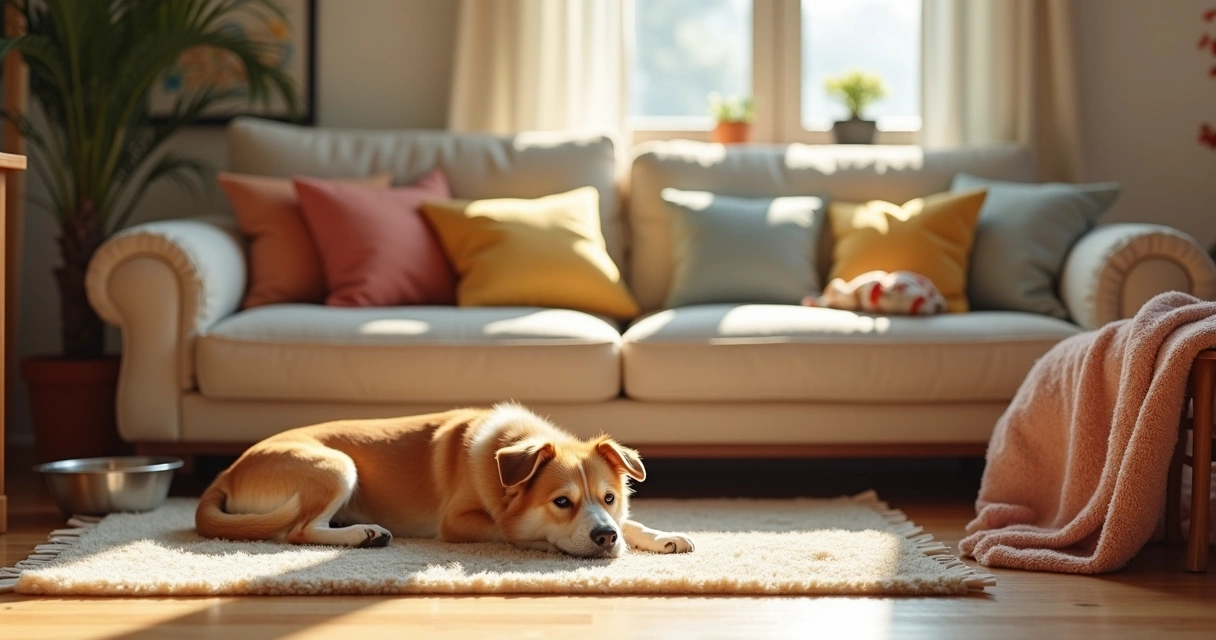
I have observed it closely: animals with a sensitive temperament suffer especially when they suddenly leave their daily environment. In home boarding, many pets adapt faster because they have routines similar to those at home and a carer who gives them personalised attention. They frequently sleep on their favourite sofa, follow their own meal times and receive limitless affection.
Of course, there are cases of more sociable dogs or cats whose profile fits well in a hotel structure. Here, the animal benefits from the company of others and, in specific situations (animals requiring clinical monitoring or during a prolonged trip), the professional hotel may be the most appropriate choice.
The difference is also in socialisation. At Pet Boarding Familiar no Porto, I promote meetings between compatible animals and respect the personality of each furry friend, which would be unthinkable on a large scale. In a hotel, the group is larger, shifts are rotating and, sometimes, there is less flexibility to adapt the routine if the animal shows discomfort. However, for some owners, the guarantee of a permanent team is sometimes a decisive factor.
 List: practical day-to-day differences
- Environment: familiar and individual vs. collective and controlled
- Routines: adapted to the pet vs. standardised schedules
- Freedom: access to the house vs. delimited spaces
- Contact: single carer vs. rotating team
- Socialisation: small and compatible groups vs. large groups and general rules
- Communication: direct photos and videos vs. reports or updates by shift
A fundamental difference that I often discuss with owners is how the animal experiences the space: they run freely, can lie down anywhere in the house and often even prefer the most unlikely corners. In a hotel format, access is regulated, and there are areas forbidden to animals.
When to choose home boarding or a professional hotel?
This is one of the most frequent questions I receive. The truth is that the decision depends on the animal's profile, the duration of the owner's absence and the pet's particular needs. I share some scenarios I usually encounter:
- Short trips: Home boarding is usually excellent, especially because the transition is felt less. The animal maintains its routine and feels less stressed.
- Long trips: If the pet is independent and enjoys activity, they may get used to a hotel well, but anxious animals or those with medical needs are often better accommodated in a family environment.
- Special needs: Elderly animals, those in recovery or those afraid of other animals benefit from a domestic environment. Hotels have specific plans, but they are less adaptable to the animal's emotional unpredictability.
Interestingly, home boarding statistics show that the median value has been rising, reflecting the growing demand for personalised and close-proximity solutions, something that more attentive owners identified some time ago.
Real testimonials from owners: what do they value most?
Over the years, I have collected many sincere testimonials from families who trusted the family model:
“It was clear that my dog felt at home, he even made new friends!”
“Receiving daily videos reassured me and I immediately realised that the environment was exactly as promised: free, no cages, with lots of cuddles.”
“My cat never got used to the hotel, but with home boarding the adaptation was immediate.”
These stories tend to repeat themselves, mainly because close contact and respect for routines make the experience less anxious for both animal and owner. I frequently consult opinions in articles about animal well-being, where similar stories and other tips for dealing with separation stress can be found.
Frequently asked questions from pet owners
I receive many questions about feeding, administering medication, frequency of walks and integration with other animals. I always make a point of repeating: everything is done as if at home, following detailed instructions from the owners. If there is an emergency, I am the first person to trigger the response – without delay, straight to the point.
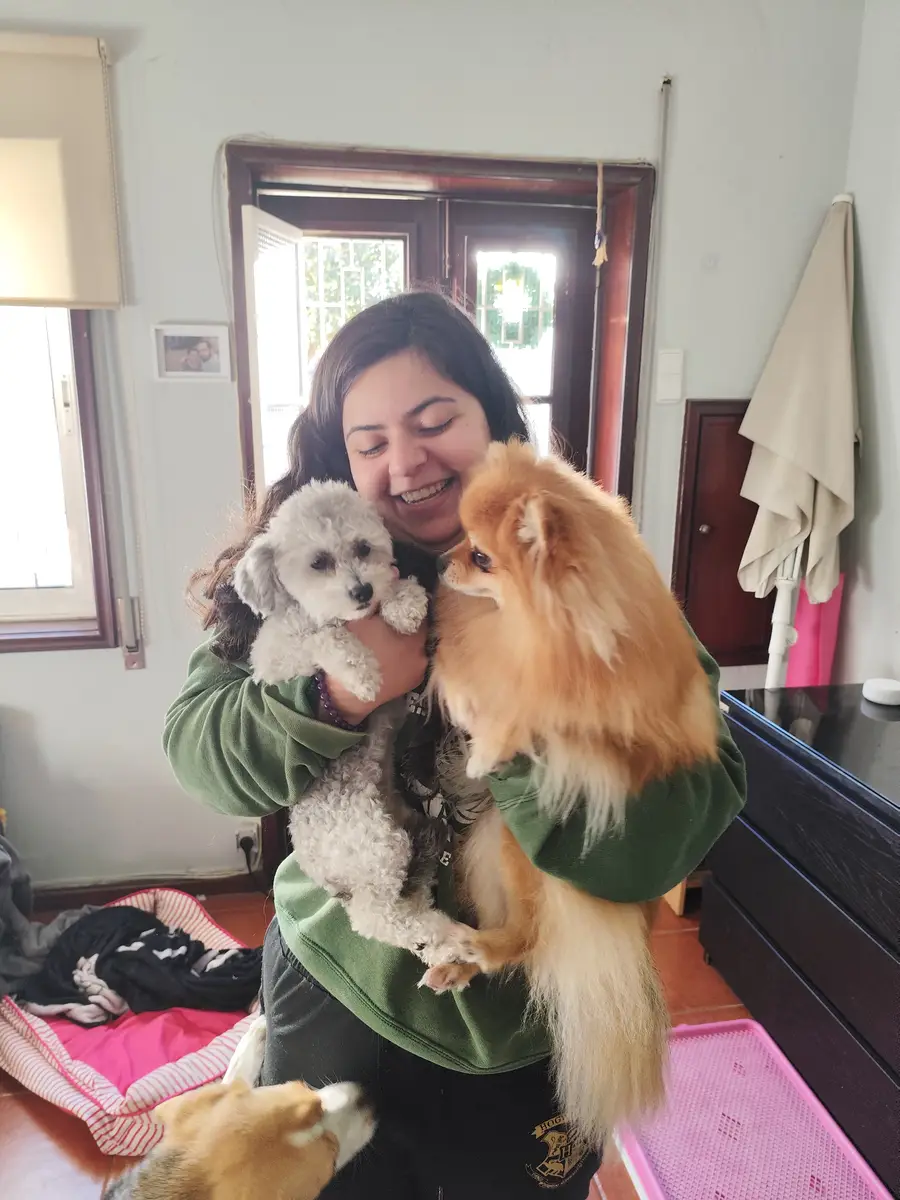 I share some tips here, useful for anyone considering leaving their furry friend, whether in home boarding or a conventional alternative:
- Visit the space in advance, in person or via video call.
- Introduce the carer to your animal before the stay.
- Provide detailed information about schedules, allergies, dietary preferences and walking habits.
- Confirm if there is a possibility to send daily updates.
- Ensure the location is prepared for special needs (medication, senior animals, etc).
In one of the client testimonials, it became clear that home boarding can indeed be the ideal solution for most cases in Porto. However, on long professional trips or for owners who value permanent veterinary surveillance, the professional hotel ends up being a safe and balanced option.
Tips for choosing the best option for your animal
In my opinion, the choice should never be made based on price alone, but rather on the combination of comfort, safety and personalisation. It is important to estimate what truly makes your friend happy: whether it is the peace of home, the company of a few but good friends, or if your animal really prefers constant hustle and stimulus.
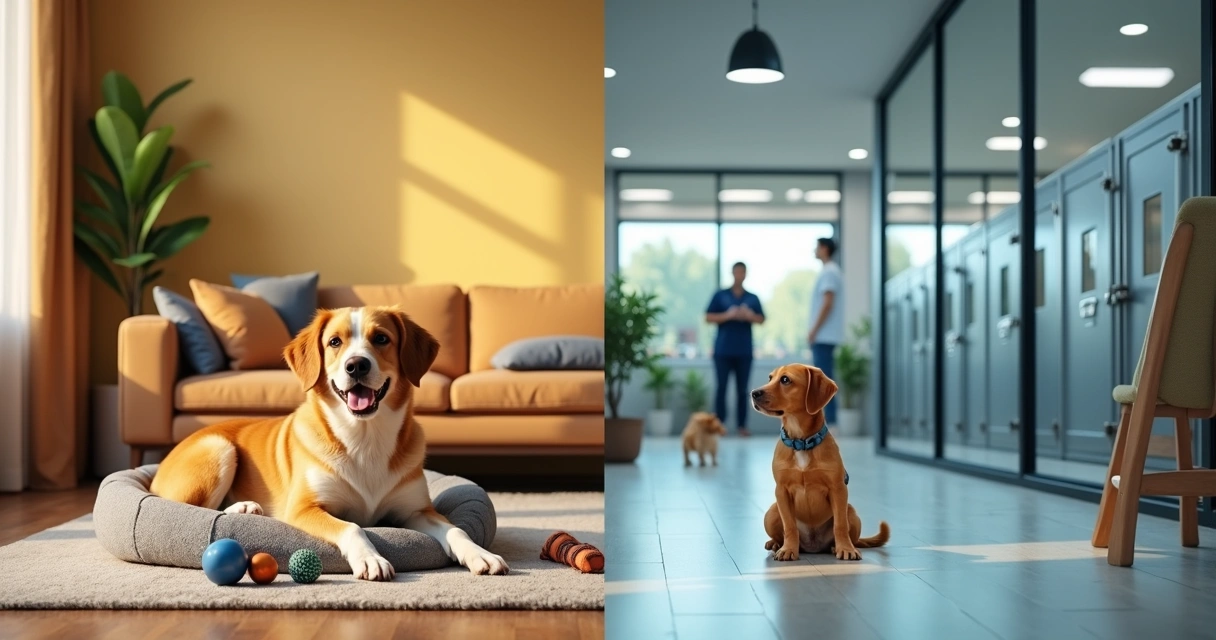 For me, it makes sense to recommend:
- Shy, elderly animals or those with special needs → choose a family environment.
- Sociable animals, with energy or those already used to hotels → a professional environment can work well.
- For cats, small species or animals with very specific routines → stress-free, cage-free spaces with less noise are almost always more comfortable.
To go deeper into topics about animal well-being, I use resources from the animal care blog. When there are doubts about the type of service, it is possible to compare reports and suggestions in articles about animal services.
What trends do recent statistics show?
It is interesting to note that, although the report on the evolution of tourist accommodation points to growth in both segments, home boardings record higher sales values in certain areas, as is the case in Funchal, with a value of 3,693 euros/m², compared to a national average of 1,870 euros/m² (prices of home boarding). This phenomenon can be explained by the growing demand for differentiated experiences closer to the animals' own daily lives.
Finally, personalisation, comfort and the direct relationship with the carer mean that home boarding is gaining increasing support among owners concerned about their animal's well-being. The final choice always depends on the pet's profile and the type of experience we want them to have while they are away from home.
Conclusion: how to make the right decision?
Throughout my experience, I have learned that there is no universal answer when choosing between home boarding and a hotel format. The secret lies in knowing your animal, evaluating the local options, and finding that solution that, more than just serving as a "safe place", allows for true physical and emotional well-being for the pet. At Pet Boarding Familiar no Porto, I have focused from day one on close, transparent and personalised monitoring, because I believe this makes the difference.
If you are looking for a welcoming environment where your animal is treated as part of the family, I invite you to discover our services and concepts. Explore more testimonials and tips on our blog or get in touch. Your pet's well-being always comes first.
Frequently asked questions
What is home boarding?
Home boarding is a temporary accommodation solution for pets in a domestic environment, without cages, with free access to the house and direct contact with the carer. In this alternative, the animal follows routines close to those at home, has daily walks, socialisation in small groups and feeding defined by the owner themselves.
What are the advantages of professional hotels?
Professional hotels offer structure, control and constant monitoring by a specialised team. They are usually better prepared to handle large groups, offer permanent surveillance and, sometimes, complementary services such as veterinary consultations or grooming, in addition to ensuring more standardised management of safety procedures.
How to choose between home boarding and a hotel?
The choice depends on the profile, age, health and preferences of the animal, as well as the duration of the owner's absence. Sensitive, elderly animals or those with specific needs tend to benefit from home boarding, while extroverted animals or owners who value a multidisciplinary team may prefer a professional hotel. I advise visiting both spaces before deciding.
Where to find good home boarding?
There are projects specialised in home boarding for animals, such as Pet Boarding Familiar no Porto, where it is possible to schedule visits, meet the carer and clarify doubts in advance. I recommend reading testimonials and looking for information on animal care blogs or listening to the opinions of other owners.
Is it cheaper to stay in home boarding?
It depends on the area and the services included. In many cases, home boarding may have similar or slightly lower prices than hotels, but with greater flexibility and personalisation. According to data on home boarding, prices can vary according to demand and location.
Automatic translation of the Portuguese original.