
Bem-Estar
Environmental enrichment ideas for dogs
Discover practical environmental enrichment ideas for dogs to improve mental health and reduce boredom in dogs.

I believe that caring for a dog goes far beyond feeding, walks and affection. The experience I have gained through projects like Pet Boarding Familiar in Porto shows me that providing daily challenges and novelties really makes a difference for a balanced and happy dog. So-called environmental enrichment for dogs is not just a distraction. It is a biological necessity that responds to the instinct to discover, smell, solve and interact, reducing boredom and often preventing destructive behaviours or signs of stress. Throughout this article, I share what I consider to be the practical guide to transforming your furry friend's daily life into a mental and sensory adventure.
Why invest in challenges and stimuli for dogs?
I remember well situations where, on rainy days, a shorter walk was enough to leave my dog looking at me with that "so, is there nothing else?" look. I realised at that moment that, just like us, dogs need varied stimuli to maintain mental health and not fall into boredom.
A mentally tired dog is a calmer dog.
Boredom in dogs is often the starting point for destructive behaviours, excessive barking or even anxiety problems. With more than 20 years observing canine behaviour and through the reports received at Pet Boarding Familiar in Porto, I confirm that integrating enrichment activities makes the environment healthier and safer, both at home and in family pet-sitting services.
Different types of stimuli: it's not just playing!
When we talk about environmental enrichment for dogs, many people only think of interactive toys or fetch games. However, there is a variety of categories to explore. Compiling what I have learned and practised, I highlight the main ones:
- Food enrichment: Making the dog think and work for food, hiding treats or using dispensers.
- Sensory stimuli: Presenting new smells, textures, sounds and surfaces for them to explore.
- Physical activities: Jumping, climbing, crawling, grabbing and pulling, stimulating different muscles and movements.
- Cognitive challenges: Solving puzzles, learning commands, practising tricks and reasoning games.
- Socialisation: Interacting safely with people and other animals.
This multidisciplinary approach is also present in the well-being content of the Pet Boarding Familiar blog in Porto, which highlights the importance of working on the intellectual side of our four-legged friends.
Creative ideas to challenge your dog
Now that you know the main types, I will share ideas that are easy to apply at home or in a family environment, based on the experience and feedback of owners over the years.
Food challenges: giving value to food
- Kong and food dispensers: The classic stuffable toy can be filled with kibble, wet food, appropriate fruit or even natural yoghurt and frozen a few hours before.
- Maze trays (slow feeders): They encourage the dog to use their tongue and snout to search for grains of food, slowing down ingestion.
- Lick mats: Spread wet food or pasty snacks on a specific mat, stimulating the animal at a sensory level and helping it to relax.
- Treasure hunt: Hide small pieces of food around the house and let them search. Ideally, start with easy spots and make it harder over time.
- PET bottles with treats: Make small holes in a bottle, place some biscuits and let the dog roll it until they come out (always under supervision).
Add flavour to your dog's routine.
Interactive toys and homemade puzzles
- Commercial puzzles: There are games with difficulty levels that challenge even more experienced dogs – just always follow the safety instructions and adapt to the size of the animal.
- Cardboard boxes: Fill several tightly closed boxes with paper balls, biscuits or a favourite toy. The dog has to open them to find the reward.
- Ice cubes with surprises: In summer, freeze snacks in a container with water and give the dog the cube to lick and discover the inside.
- Cloth or towel with rolled-up biscuits: Use an old towel, scatter treats, roll it all up and let the dog unroll it while sniffing.
- Toys with different textures: Mix objects made of fabric, rubber, rope, smooth wood – provided they are safe, of course.
I have learned that rotating toys and not offering them all at the same time increases interest and prolongs the enrichment effect.
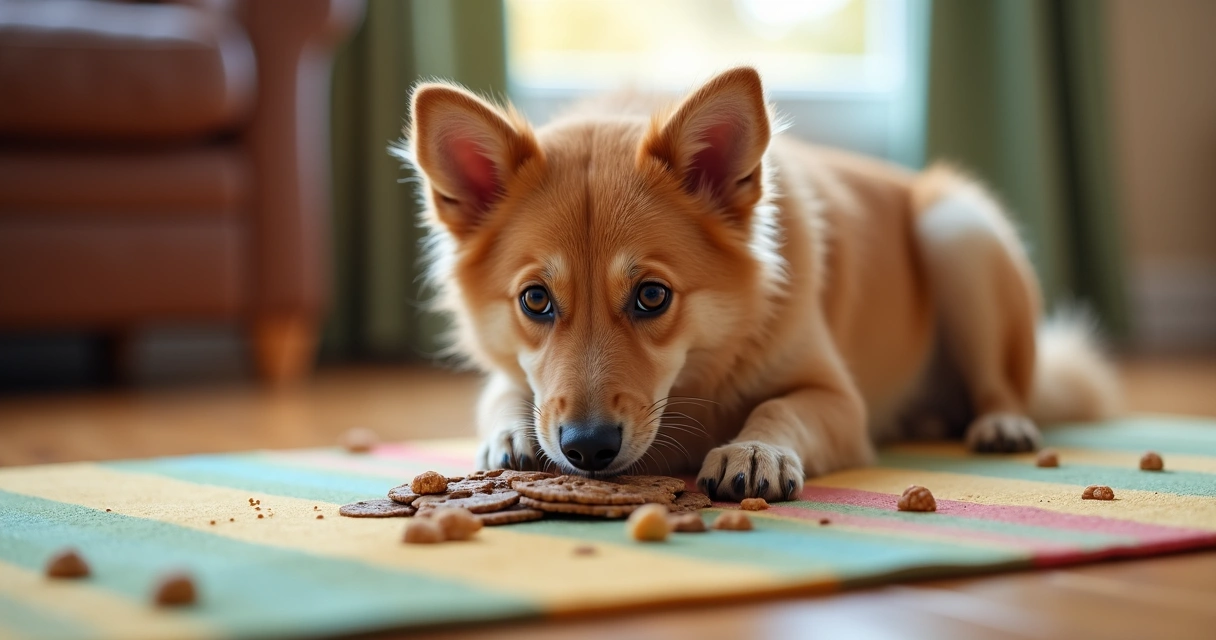 Sensory activities: discovering the world without leaving home
- Present new smells: On cotton wool or cloths, offer smells of fresh herbs (rosemary, mint), mild spices (cinnamon) or vegetables. Observe the reaction: many dogs love discovering new things.
- Different surfaces: Allow the dog to walk on carpets, rubber floors, artificial grass or even a sandpit, varying the tactile experience.
- Soft noises and natural sounds: Relaxing music specific for dogs or recordings of nature sounds can stimulate in a soothing way.
- Guided exploration: Place small safe obstacles, such as cushions or boxes, for them to go around, jump over or crawl under.
Letting a dog experience all of this can prevent both boredom and certain fears.
Socialisation: the power of contact
Social enrichment is just as relevant as any other stimulus. A dog used to meeting people, hearing other voices, seeing children playing, smelling new animals and living positive experiences increases self-confidence and tolerance for the unexpected. When I receive dogs at Pet Boarding Familiar in Porto, I notice that those who already have this type of prevention are much calmer and more adaptable to the challenging environment of a family pet boarding.
- Walks in different locations: New routes mean new smells, textures and situations.
- Safe meetings with other dogs: Controlled socialisation sessions are essential for empathy and canine communication.
- Participation in domestic routines: Including the animal positively in daily activities reinforces the bond.
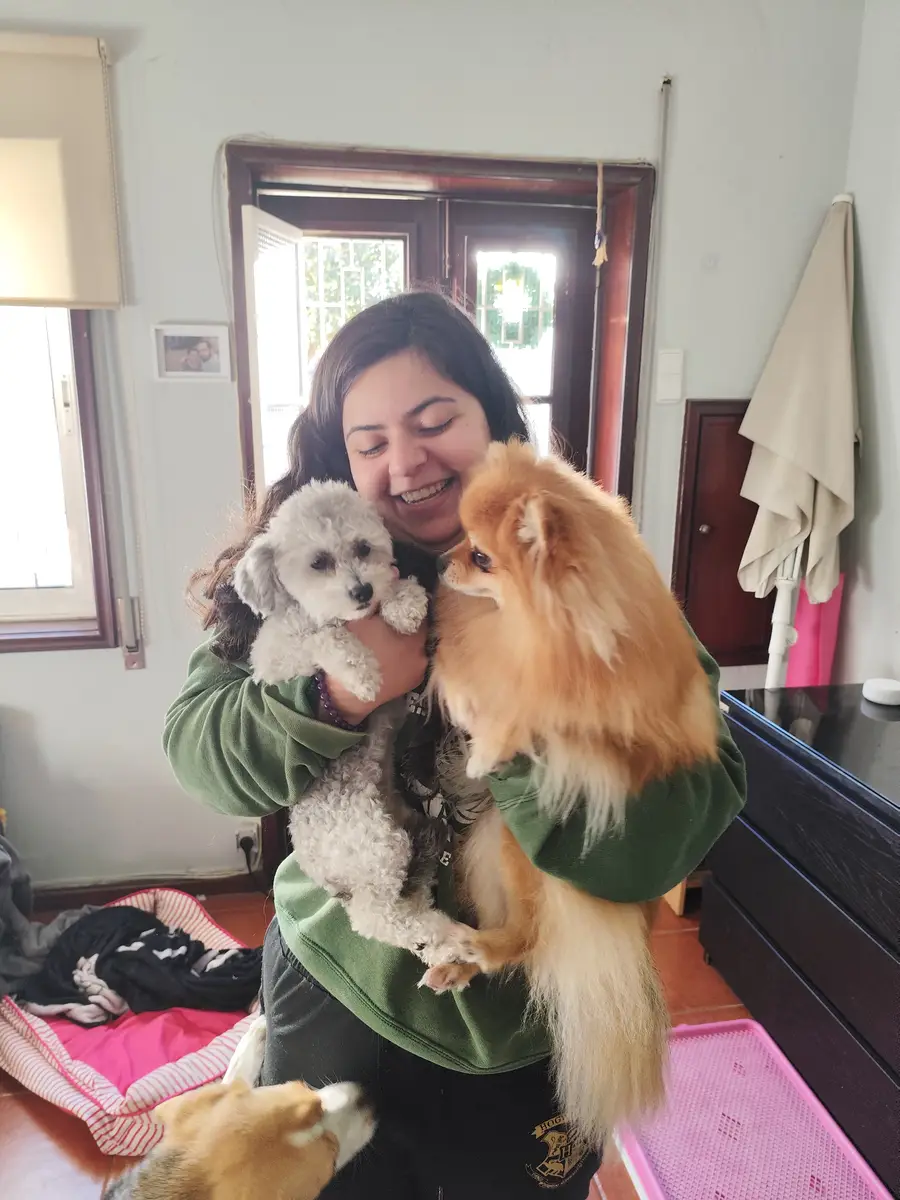 Socialisation and physical challenges can be explored further in the socialisation content where I explore tips to ensure healthy conviviality even for less confident dogs.
Practical tips to start today
If you have never tried activities of this kind at home, I suggest starting slowly (especially if the dog already has a rigid routine or does not like change). Follow these simple guidelines:
- Introduce one new thing at a time;
- Observe the reactions: some dogs prefer food challenges, others are more social;
- Rotation: you keep the novelty going and avoid boredom;
- Always under supervision, especially with new objects or DIY toys;
- Adapt the difficulty to your dog's profile and health.
 When I invest some time in preparing one of these challenges, I notice a huge difference in my dog's behaviour: they become more relaxed, sleep better and seem eager for new activities the next day.
Environmental enrichment is not a luxury, it is a necessity
Environmental enrichment for dogs is nowadays recognised as a priority to prevent boredom, control stress, avoid unwanted behaviours and even enhance the learning of commands. It does not require high investments or latest-generation gadgets. With creativity, it is possible to transform everyday objects into stimuli of great value for canine mental health.
In the Pet Boarding Familiar project in Porto, I follow exactly this philosophy: personalising daily stimuli according to each animal's profile, reinforcing the peace of mind of owners as they receive videos and photos of their happy pets in a family environment. I also recommend reading more care suggestions in pet care, where I address practical themes for a healthy canine life full of positive energy.
Every new experience is an opportunity to create memories, strengthen relationships and discover the best that each dog has to give. From hiding treats in boxes to challenging their sense of smell with new aromas, everything counts towards a happier animal and a calmer home. The secret lies in testing, daring and, above all, having fun providing well-being to your furry friend.
If you are interested in ensuring a rich and peaceful environment for your pet on days when you cannot be present, I invite you to learn about our services and the welcoming spirit of Pet Boarding Familiar in Porto. I am sure you will feel the difference in your dog's behaviour and well-being after trying some of these ideas. And if you want to go even further in well-being activities, I also suggest reading the reference articles, such as the post on sensory enrichment.
Frequently asked questions about environmental enrichment for dogs
What is environmental enrichment for dogs?
Environmental enrichment are actions that increase the opportunities for physical, mental, sensory or social stimulation for dogs, reducing boredom and promoting emotional health. It can be done with objects, play, socialisation or food challenges that stimulate the animal's mind and body.
What are the best enrichment toys?
There are many effective toys: stuffable Kongs, game boards (puzzles), lick mats, food-dispensing balls, rope toys and even improvised options like cardboard boxes and PET bottles with snacks inside. The important thing is to vary and choose according to the dog's profile.
How can I introduce enrichment to my dog?
I suggest starting with small changes, like hiding treats around the house or presenting one different toy at a time. Always supervise the first uses to ensure safety. Increase the difficulty gradually and mix different types of stimuli to maintain the dog's interest.
Does environmental enrichment help anxious dogs?
Yes, appropriate stimulation helps to control anxiety and release accumulated energy in a positive way. Many anxious dogs show behavioural improvements when motivated to solve challenges or spend mental energy.
How often should I provide enrichment for my dog?
Ideally, offer it every day, alternating activities so as not to create monotony. Even 10 to 15 minutes a day already makes a difference, especially for those who have little time or dogs that spend long hours alone. Regularity is the key to keeping the dog happy and balanced.
Automatic translation of the Portuguese original.