
Socialização
Why socialisation is important in doggy daycares and pet hotels
Discover how canine socialisation in doggy daycares and day care promotes calm behaviours and safe interaction between dogs.
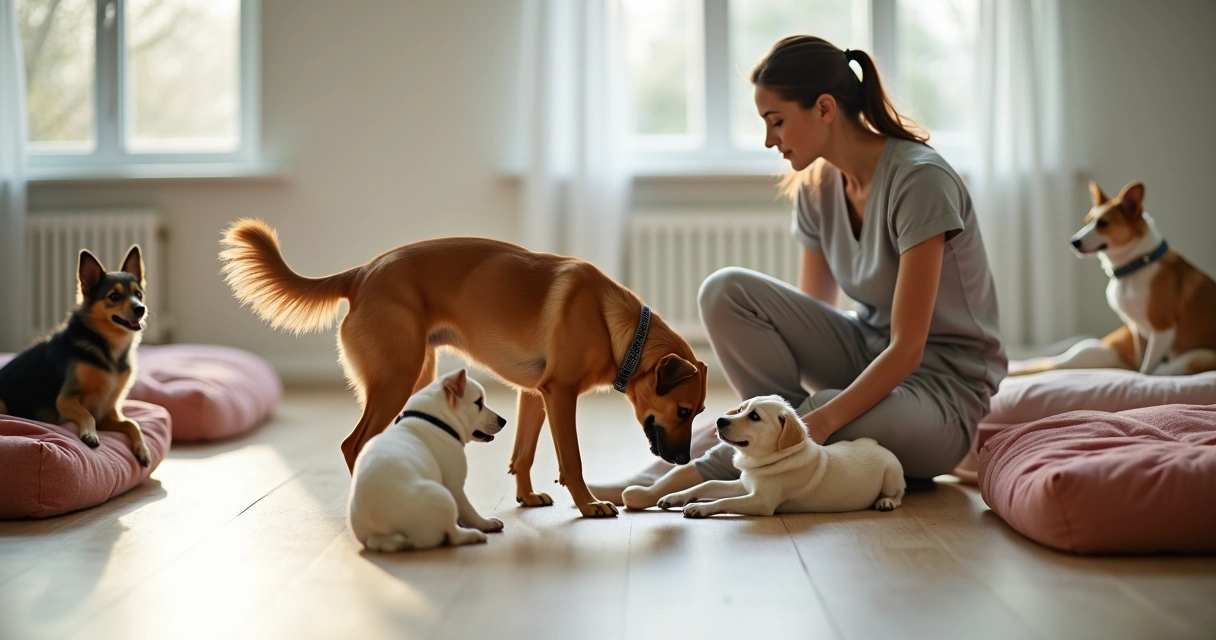
If there is one thing I have learned over the years observing dogs of various profiles – from the most extroverted to the most reserved – it is that regular and guided interaction between dogs transforms, for the better, the behaviour and relationship of our best friends with the world around them. When we think about canine socialisation, we are talking about something that goes beyond simple play: we are dealing with emotions, preventing problems, and of course, giving meaning to what it is to be a dog among other dogs. I want to share with you why pet daycares and hotels play such a relevant role in this process and how initiatives like Pet Boarding Familiar in Porto stand out by providing this environment and personalised monitoring.
The difference between socialisation in controlled and open environments
Many caregivers automatically think of parks or gardens when it comes to dog socialisation. However, in my experience, socialisation developed in controlled environments, such as a doggy daycare or a day care, is much safer and more effective. Why?
- Permanent supervision: Professionals are attentive to signs of discomfort, excess energy or possible misunderstandings, intervening quickly when necessary.
- Adjusted groups: Dogs are not grouped at random, but rather by energy levels, size and personality, avoiding accidents and unnecessary stress.
- Clean and safe environment: There are no risks associated with unknown animals, uncontrolled diseases or unexpected behaviours from other owners.
- Predictable routines: Play, rest and feeding schedules help animals feel more confident and calm.
Open parks can be great for walks, but they often lack the right monitoring, nor do they allow for safe interaction if conflicts arise. This is why more and more families opt for solutions like Pet Boarding Familiar in Porto, where there is real monitoring and constant contact.
Psychological benefits of planned socialisation
I have witnessed several anxious or distrustful dogs change completely after a few weeks in a structured social environment. The reason? Because socialisation, when done progressively and respecting each animal's pace, works true miracles. Here is what I usually notice:
- Reduction of fears: A dog used to being with its peers tends to adapt better to new situations and sounds, becoming more resilient.
- Decrease in reactivity: Repeated and positive exposure to other dogs allows the animal to communicate better, interpreting body signals that reduce impulsivity.
- More confidence: Autonomy grows gradually, as the animal learns to trust itself and the humans around it.
- Fewer insecurities: Progressive contact with colleagues and human caregivers makes the dog feel protected and less anxious
A confident dog is a happier and more relaxed dog.
In the socialisation section of the Pet Boarding Familiar blog in Porto, you will find several stories about real experiences of dogs that improved their behaviour simply by being in a guided social routine. The secret lies in respected individual progress, always with positive reinforcement.
Learning to “speak” dog language
Something that fascinates me about this coexistence is witnessing dogs that were uncomfortable with others starting to use completely new body postures, vocalisations and even glances. Socialising in environments like family daycares and hotels, they learn to:
- Respect others' boundaries: Realising that not everyone likes to play all the time or in the same way.
- Communicate discomfort without aggression: By experiencing safe contexts, they gain tools to avoid conflict.
- Adapt play: They adjust energy and type of interaction according to their peer, a characteristic often seen in groups divided by size and profile.
There is always that unexpected moment – that shy dog who, in a small group, discovers they can actually lead a game, or that energetic one who learns to “wait their turn” because the others don't have the same pace.
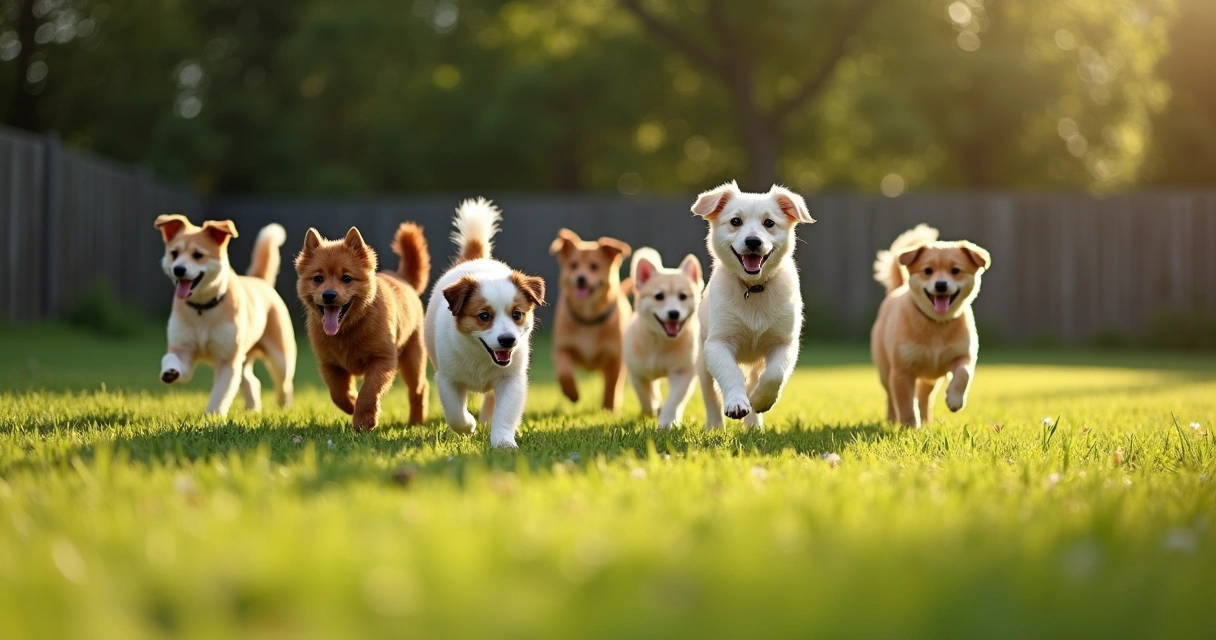 This learning translates into a more balanced life, not only in day care spaces but also in everything else: walks, interactions with visitors at home and coexistence with other animals.
Safety: groups divided by energy and size
I always make a point of reinforcing to those who seek my advice that a large part of the success of a social routine lies in how the groups are organised. In responsible daycares, as is the case at Pet Boarding Familiar in Porto, there is a real concern to separate animals by:
- Physical size (preventing small animals from being accidentally hurt by larger ones)
- Energy (so that each one plays at their own pace and no one gets overwhelmed)
- Temperament (very dominant or insecure dogs may need even more personalised monitoring)
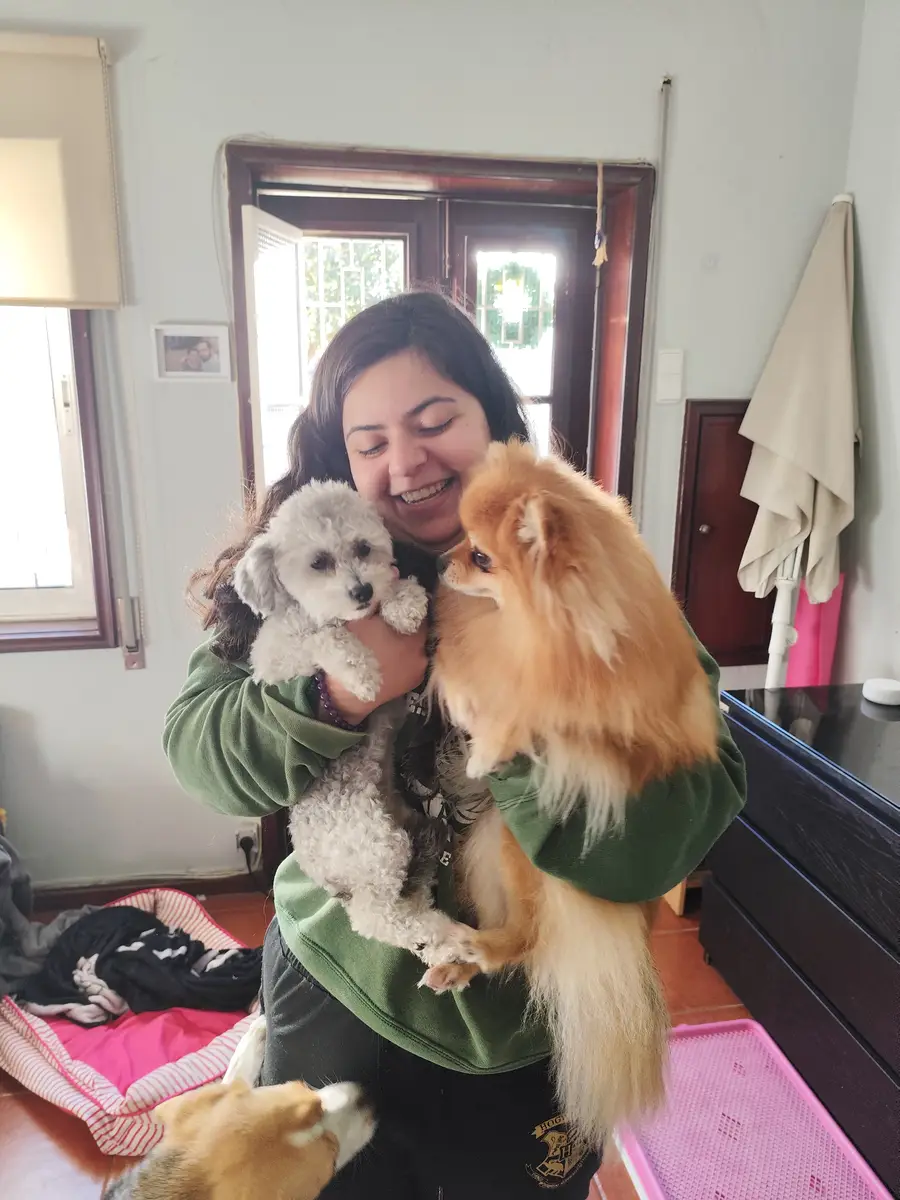 The monitors have specific training in animal behaviour and maintain constant vigilance, intervening immediately when they notice signs of tension. This reduces the risk of injuries or episodes of intense stress to almost zero.
Safety is always the starting point for good socialisation between dogs.
Physical benefits of regular socialisation
In addition to the emotional aspect, I must emphasise the great difference in the physical health of a dog that attends a doggy daycare in a family environment. The results I observe are visible:
- More energy expenditure (dogs arrive home tired in the best sense of the term, ready to relax and sleep better)
- Improvement in general physical fitness
- Prevention of excess weight or destructive behaviours due to boredom
- Regular walks adapted to each group
If you have ever experienced leaving for work and returning home to find chewed furniture or destroyed objects, your pet probably didn't have the right stimuli during the day. Investing in an active socialisation routine can really change your dog's life (and yours).
 There are more useful tips on well-being and physical exercise in the well-being category of the blog. In these spaces, you can always find new perspectives on topics that make a difference in our best friends' routines.
Not all dogs like to socialise: the importance of prior assessment
No one knows their animal better than the owner, but you should trust the opinion of professionals when talking about group integration. At Pet Boarding Familiar in Porto – and this applies to any responsible hotel or daycare – each new member undergoes a behavioural assessment beforehand. Why?
- To ensure the dog does not pose a danger to itself or others
- To detect signs of deep anxiety, aggression or diseases that prevent safe socialisation
- Because very elderly dogs, those with chronic health problems or reactive animals, may not benefit from this type of group activity
From my experience, many dogs that do not have the profile for large groups love small gatherings or interactions with one or two calmer friends. The secret lies in personalising the approach, always with well-being as a priority. I highlight that, to ensure success, it is fundamental to work side-by-side with certified educators and monitors.
If you have doubts about your dog's ideal profile, also consult some content in the animal care section to help you with that decision.
The role of human monitoring during socialisation
Socialising dogs is not simply putting several together in a space. Human involvement makes all the difference. I have observed that trusted places, like Pet Boarding Familiar in Porto, prioritise a familiar and close approach, where:
- Monitors create moments of positive reinforcement and affection
- There is permanent communication with those responsible (sending photos and videos, WhatsApp chats about the animal's day)
- Routines defined by the owner for feeding and medication are respected
- The environment is comfortable, cage-free and with free access to the house
This monitoring translates into less anxiety for the dog and for those who love them, especially in the owner's absence due to work, holidays or emergencies.
Summary: socialising dogs is investing in their happiness
In short, the benefits of socialisation in controlled spaces, such as dog hotels and daycares, are visible not only in more balanced animals but also in calmer families. Dogs learn to communicate, manage energy, improve mental and physical health and, of course, maintain their bond with humans, feeling safe and loved.
The secret lies in daily professional monitoring, as I advocate and see implemented at Pet Boarding Familiar in Porto, where each pet is treated like family. Discover practical examples of integration routines and real success stories in these inspiring articles: positive socialisation routine or behavioural breakthrough case.
Conclusion: the next step for your best friend
I fully trust in the power of structured socialisation to improve canine and human lives. If you are looking for well-being, emotional and physical balance and a safe environment where your animal can grow in happiness, I recommend getting to know the reality of Pet Boarding Familiar in Porto. Try the services, have an assessment and see for yourself the difference in your dog's joy after a day well spent in structured company.
Frequently asked questions about socialisation in doggy daycares and hotels
What is canine socialisation?
Canine socialisation means getting dogs used to, from an early age or in adulthood, positive contact with other dogs, people and varied environments. This process helps them communicate better, be less fearful, and increases their confidence in daily life. In spaces like doggy daycares, socialisation happens under supervision, in a safe way adapted to each animal's profile.
How do I socialise my dog in daycare?
To socialise your dog in a daycare, an assessment of its profile must first be carried out. Then, on-site, groups are defined by size and energy, ensuring well-being and avoiding overload. The process is gradual, with sessions adapted to the dog's pace, always monitored by animal behaviour professionals, ensuring pleasant and safe experiences.
Is it worth enrolling my dog in a hotel to socialise?
Yes, if your dog has a sociable profile or is fit to live in a group, attending a hotel or daycare can bring numerous behavioural and physical benefits. It helps burn energy, learn rules of coexistence and makes them more independent and self-confident. Furthermore, it offers peace of mind to owners during absences.
What are the benefits of socialisation in dog hotels?
These spaces promote safe interactions, reduce anxiety, prevent bad behaviours and contribute to the overall well-being of the animal. They favour energy expenditure, preventing health problems and adapt the dog to new social experiences in a controlled way.
Where can I find daycares with good socialisation for dogs?
Always look for places that highlight behavioural assessments, personalised monitoring and small groups. Pet Boarding Familiar in Porto is an example of commitment to well-being and positive socialisation, focusing on a cage-free environment, individual routines and constant sharing with owners. Always inform yourself about the practices of the chosen space and prioritise recommendations and real experiences.
Automatic translation of the Portuguese original.