
Socialização
How to Socialise a Puppy: Guide to Safe Daily Practices
Learn how to socialise your puppy gradually, using positive reinforcement and signals to avoid stress and negative behaviours.
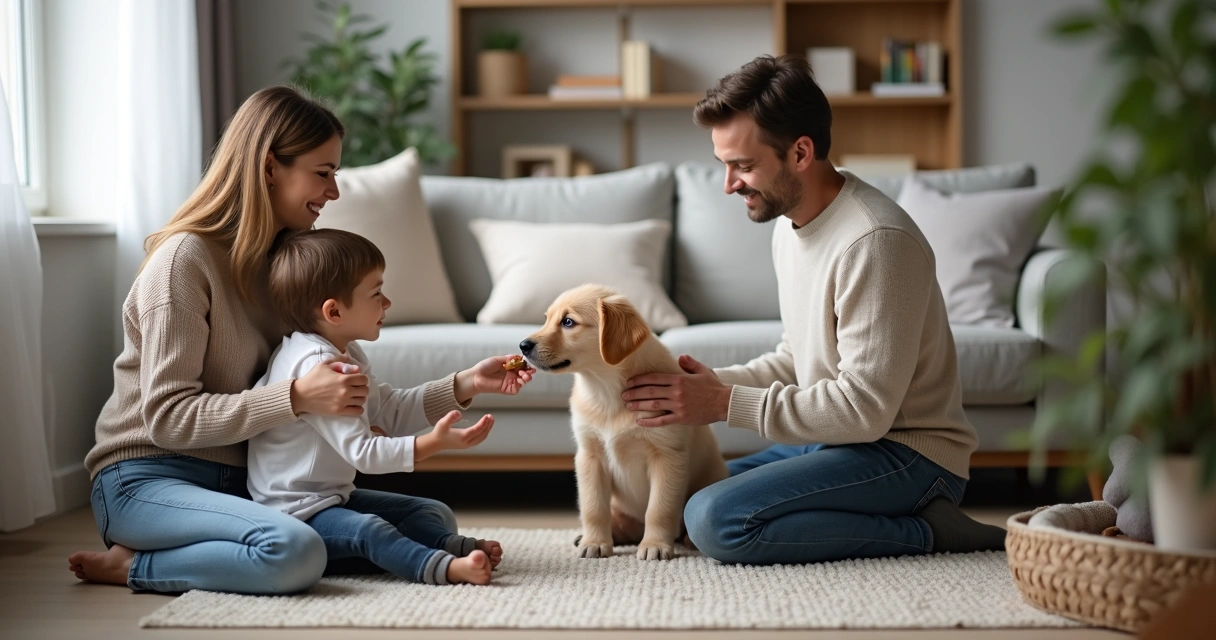
Over the years, observing different dogs in family contexts such as Pet Boarding Familiar in Porto, I have learned that a balanced life for an animal begins very early. Healthy coexistence and careful exposure to the world are viable even without resorting to cages, always respecting the dog's pace and personality. Today, I share safe practices for puppy socialisation that can be easily integrated into the daily life of any family.
The impact of early socialisation on a puppy's life
I often speak with owners concerned about ensuring the well-being and emotional balance of their furry friends. I always tell them the same thing: exposing the animal to different environments, noises, people, other animals, and objects from a very early age is what defines a dog's confidence and happiness in the future.
Well-integrated puppies are less likely to develop phobias, excessive reactivity, and separation anxiety.
Studies published in the Digital Library of Official Statistics depict profound changes in the relationship between humans and companion animals over the decades. This bond has made socialisation increasingly relevant.
Understanding the critical period of socialisation
In every conversation I have about socialisation, I like to explain the fundamental concept of the critical period. Between 3 and 16 weeks of age, dogs are especially receptive to new experiences, sounds, smells, and contacts. It is during this window that the brain learns to distinguish what is safe from what might be harmful.
I have lost count of the times I've seen confident dogs simply because they were introduced to the world, as puppies, with calm and patience. As for adult dogs that did not go through this appropriate stage, adaptation is slower, but not impossible if there is respect and positive reinforcement.
The first few months define the dog's future.
How to introduce new environments and experiences?
The key lies in moving forward with small steps. Each dog has its own preferences and limits, so I always insist: observe your animal's body, signals, and facial expression before deciding to move forward with a new experience.
- Introduce household sounds gradually (vacuum cleaner, television, doorbell).
- Take the puppy to different rooms in the house, stimulating curiosity with toys or treats.
- Vary your walks: busy streets, quiet parks, cafes with a peaceful atmosphere.
- Ask friends to greet the dog, first at a distance and then closer, whenever the animal shows curiosity.
- Expose the dog to other animals in a controlled and safe context, especially balanced and respectful dogs.
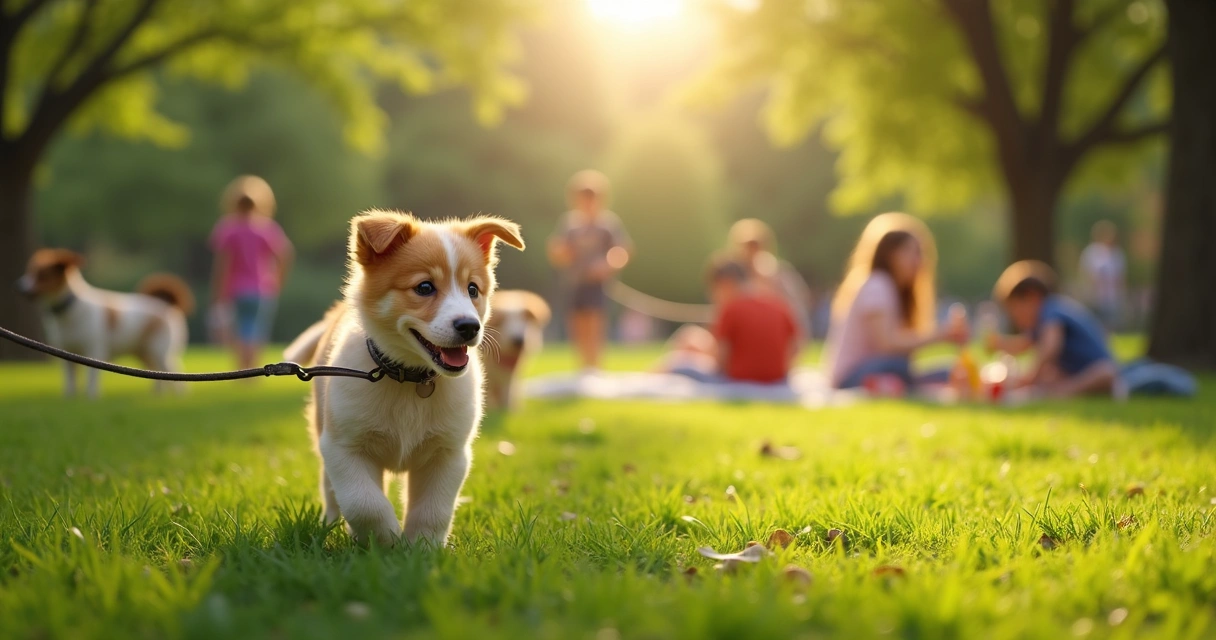 In all these scenarios, if you notice ears back, a tense body, or attempts to flee, stop the experience and try again later. Respecting the animal's pace is a sign of love and responsibility.
The role of positive reinforcement in socialisation
I have seen fantastic results whenever positive reinforcement is used: praise, treats, or affection, whenever the puppy demonstrates confidence or curiosity.
The dog associates pleasant sensations with new experiences when rewarded at the right moment.
In a cage-free environment where the animal moves freely, as happens at Pet Boarding Familiar in Porto, the family can create daily routines with quick socialisation sessions, rewarding calm and exploratory attitudes.
Limits, rules, and routine: inside and outside the home
Education happens in the details of everyday life. Teaching where to eat, where to sleep, walking schedules, and how to ask for attention is as important as introducing new environments.
- Define quiet areas for the animal to rest and eat.
- Prepare the home for the arrival of new people or animals, avoiding sudden crowds.
- Establish set times for walks and meals. Dogs feel safer with routines adjusted to their energy levels.
- Use simple and consistent commands, as much as possible in a gentle tone.
To deepen well-being practices in a family environment, I have been following animal welfare content that details these routines without the need for invasive resources.
Signs of stress and when to seek support
Sometimes, even with all the attention and care, signs of discomfort arise: growling, raised hackles, hiding, or refusing food. At these times, I do not insist. I know from experience that forcing the animal only worsens the fear.
- Closed mouth and rigid muzzle;
- Crying or exaggerated vocalisation;
- Repeatedly licking the muzzle;
- Avoiding eye contact;
In these cases, a consultation with an animal behaviour specialist can help. If you need initial tips, I recommend reading up on basic care and, if you notice regression, seeking in-person support for a more detailed diagnosis.
According to social behaviour statistics from recent years, the demand for specialised advice has grown, demonstrating that owners are more attentive to animal mental health.
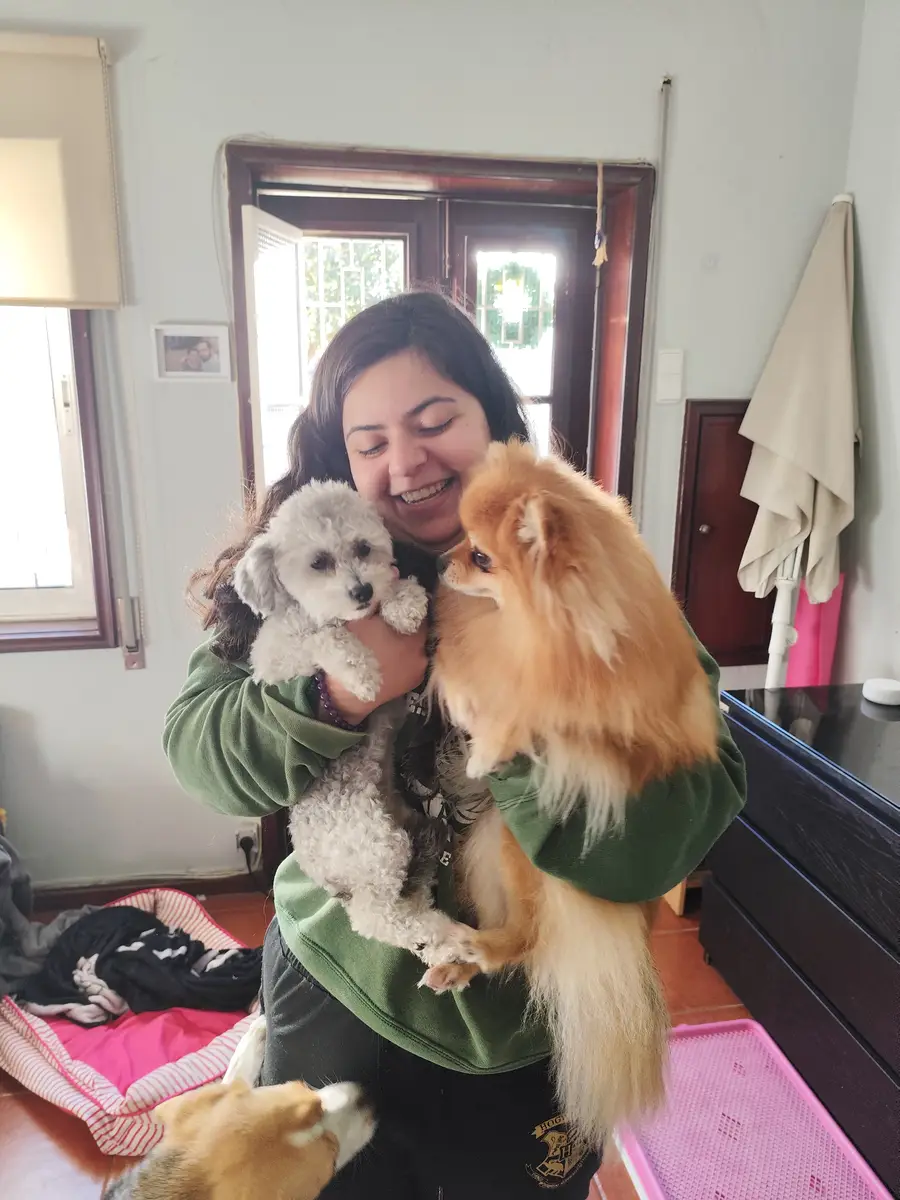 Issues such as stereotypes and balanced socialisation routines demonstrate that, just like children, dogs also benefit from diverse experiences from an early age.
Conclusion
Practical and safe puppy socialisation does not involve invasive methods or hostile environments. With simple routines, respect for the animal's pace, and a focus on positive reinforcement, any owner or family can raise balanced, confident, and happy pets, as I witness every day at Pet Boarding Familiar in Porto. If you want to know how our family practices can help your dog grow up sociable, contact us or read more concrete examples in real cases of family socialisation and explore our practical tips for each stage of your life and your animal's.
Frequently asked questions about puppy socialisation
What is puppy socialisation?
Puppy socialisation is the process of exposing the animal, in a gradual and positive way, to different environmental stimuli, people, animals, and everyday situations, helping it to develop confidence and balanced behaviour.
When should I start socialising the puppy?
According to most experts, the best time is between 3 and 16 weeks of age, known as the sensitive period, as the dog is more receptive to learning without forming permanent fears.
What are the best places to socialise a dog?
Calm and controlled spaces are ideal at the beginning: different rooms in the house, the garden, streets with little traffic, and quiet parks. Over time, areas with more stimuli should be introduced progressively, always respecting the dog's pace.
How to socialise a fearful puppy?
With patience and positive reinforcement. Avoid forcing the dog into uncomfortable situations; introduce it to new stimuli slowly and reward any sign of curiosity or calmness. If the fear persists, consider seeking advice from a professional.
Is it safe to socialise dogs with other animals?
It is safe, provided that the meetings are supervised in a controlled space and that both animals (or more) are vaccinated and socialised. Contact should be made gradually, always observing everyone's well-being.
Automatic translation of the Portuguese original.