
treinamento básico
Dog trainer: when and how to choose for your furry friend
Find out when a dog trainer is recommended, how to choose the ideal one, and the impact of positive training on your furry friend.
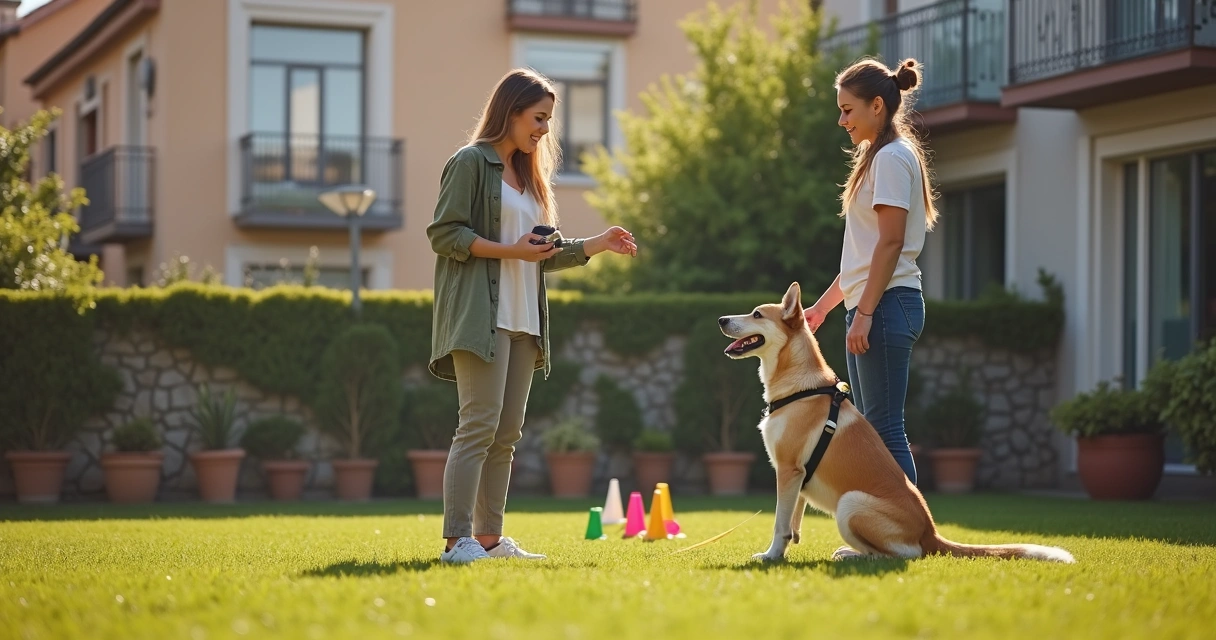
In the life of those who share a home with a pet, especially a dog, doubts arise about education, socialisation, and how to deal with behaviours that challenge our daily patience. In many of these cases, seeking support from someone specialising in canine behaviour can transform coexistence and, above all, improve the quality of life of the animal itself and the family. In this article, we will share our perspective on the role of the dog trainer, identify when it makes sense to ask for help, describe effective methods, and explain how, in projects like our Pet Boarding Familiar in Porto, collaboration between owners, professionals, and petsitters is the key to the well-being of our furry friends.
The influence of training on animal well-being and harmony at home
The presence of a dog implies commitment, routines, and responsibility. However, more important than "commanding" or "dominating" is knowing how to interpret the animal and giving them the tools to live in a family. The guidance of a canine training professional can be decisive for the dog to live in balance, without fears or frustrations, and to integrate without stress into the family context.
According to the Direção-Geral de Alimentação e Veterinária, those working in the field of animal welfare must have adequate training, which demonstrates the impact that learning has on the quality of life of dogs and the relationship with owners. Canine behaviour is shaped not only by the environment but also by the consistency of communication and a positive, patient approach. Happy dogs are often those who receive clear guidance, appropriate rewards, and whose owner dedicates time and attention to the correct reinforcement of desired behaviours.
When to look for a trainer? Warning signs in your dog
There may be doubts about when it is "too early" or "too late" to ask for support from a specialist in dog behaviour and learning. In our experience, there are signs that should alert owners:
- Excessive anxiety, such as destruction of objects when left alone or continuous vocalisation
- Aggressive behaviours, whether with humans, other animals, or even with objects and household routines
- Noticeable difficulty in adapting to changes, such as the arrival of new people or animals, moving house, or stays in a family context, such as in family pet boarding services
- Extreme fears, such as panic in the face of noises, transport, or common objects
- Lack of basic obedience, ignoring simple commands even after consistent attempts by the owner
- Recurring incidents during walks: pulling too much on the lead, attempting to escape, attacks on other animals or people
There are also more subtle signs, such as the inability to handle the owner's absence, constant states of alertness, and difficulties with positive socialisation. If we identify any of these points, it may be necessary to adjust the routine or seek specialised consultancy.
The dog's behaviour reflects the environment, routines, and the quality of communication with the owner.
What is positive training and how does it differ from traditional methods?
It is increasingly consensus, both in youth sports and animal welfare, that positive environments produce better learning results, as highlighted by the course Building positive pedagogical environments for children and young people in sport. In dog training, positive reinforcement has become the basis of the most recommended methods, promoting trust between animal and owner.
Positive reinforcement: in practice
In positive reinforcement, the right behaviour is valued and rewarded at the exact moment it occurs. It can be a treat, a fuss, a toy, or even a word said in a cheerful tone. For example, if the dog sits when we ask, goes for a walk without pulling, or responds when called, we reward them immediately. Thus, they learn what is intended, associate the action with a happy experience, and repeat the behaviour spontaneously.
Traditional approaches and their consequences
Old methods, based on punishment, discipline, or intimidation, can generate fear, insecurity, and more serious behavioural problems, such as aggression, escape, or even withdrawal. In our daily work, we confirm that dogs educated with respect, patience, and positive reinforcement show faster adaptation to new contexts, get along better with strangers, and respond better during stays in family pet boarding.
How we integrated training into the family pet boarding routine
At Pet Boarding Familiar in Porto, we know that the daily routine, the predictability of schedules, respect for exercise and rest times, and clear, positive communication are essential to reduce anxiety and facilitate the dog's adaptation, especially during prolonged absences of the owner.
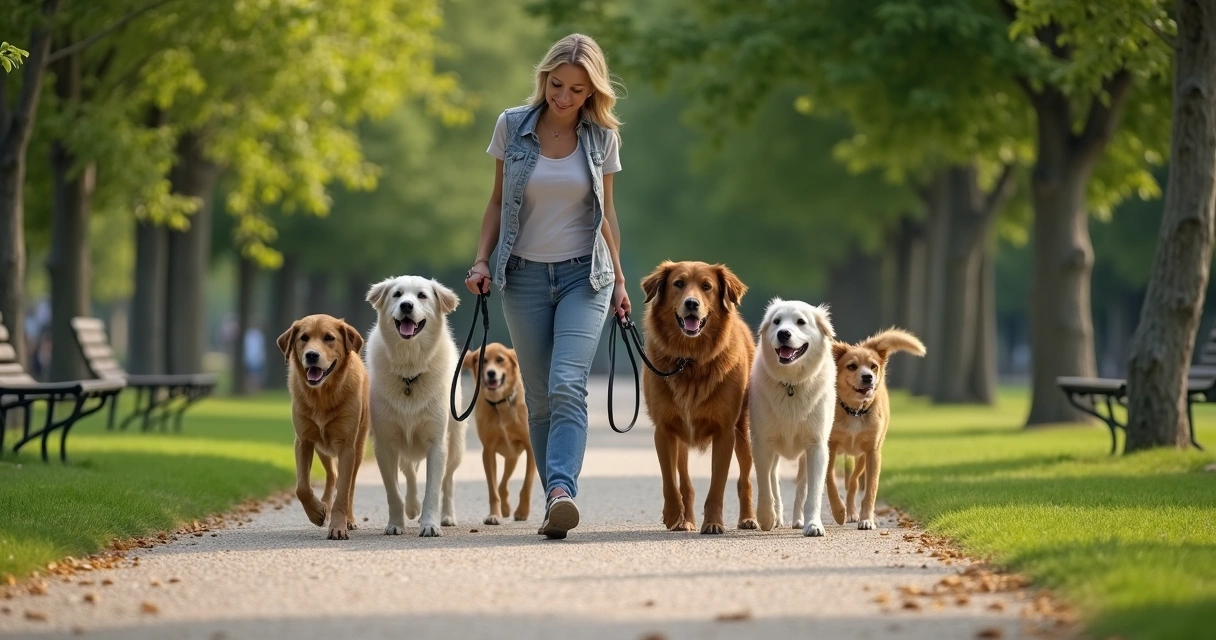
We work in partnership with trainers and the owners themselves to understand routines that work at home and replicate them. This includes repeating already learned commands, using the same vocal and gestural signals, and maintaining the type of reward the dog is already used to. In this way, there is continuity in learning, whether in a family context or during temporary stays with us.
Above all, we respect the individual pace of each furry friend. Some dogs need more time to gain confidence, others adapt quickly. The secret lies in listening to the animal and being consistent, creating security even during temporary changes, such as a stay in a pet boarding facility.
Practical tips for choosing a trusted trainer
It is not always easy to choose the right person to accompany our dog. We list some essential aspects that should be considered:
- Training and certification: give preference to professionals with validated training. As explained by the Direção-Geral de Alimentação e Veterinária, specific training or proven experience in animal welfare is mandatory.
- Training methodology: always question the methods used. Prefer approaches based on positive reinforcement and reject any method involving physical or psychological punishment.
- Empathy and clear communication: during initial meetings, observe the professional's ability to listen, attention to the animal's behaviour, and willingness to adapt the plan to the dog's individual profile.
- References and experience: ask for opinions from owners who have already gone through the same process, consult testimonials and, whenever possible, observe live sessions.
- Collaboration with other professionals: it is a plus point when trainers show openness to work with petsitters or others responsible for the animal, as we do in our team.
A good trainer is never limited to formal training: they accompany, advise, and adapt strategies to family dynamics, promoting an environment of continuous well-being for the furry friend.
Collaboration between owner, trainer, and petsitter: how to ensure consistency?
When there is an extended team in the animal's life, such as human parents, petsitters, and trainers, it is fundamental to align expectations and ensure that everyone uses the same rules. By ensuring that everyone reinforces similar behaviours, confusion, anxiety, and the repetition of contradictory practices are prevented.
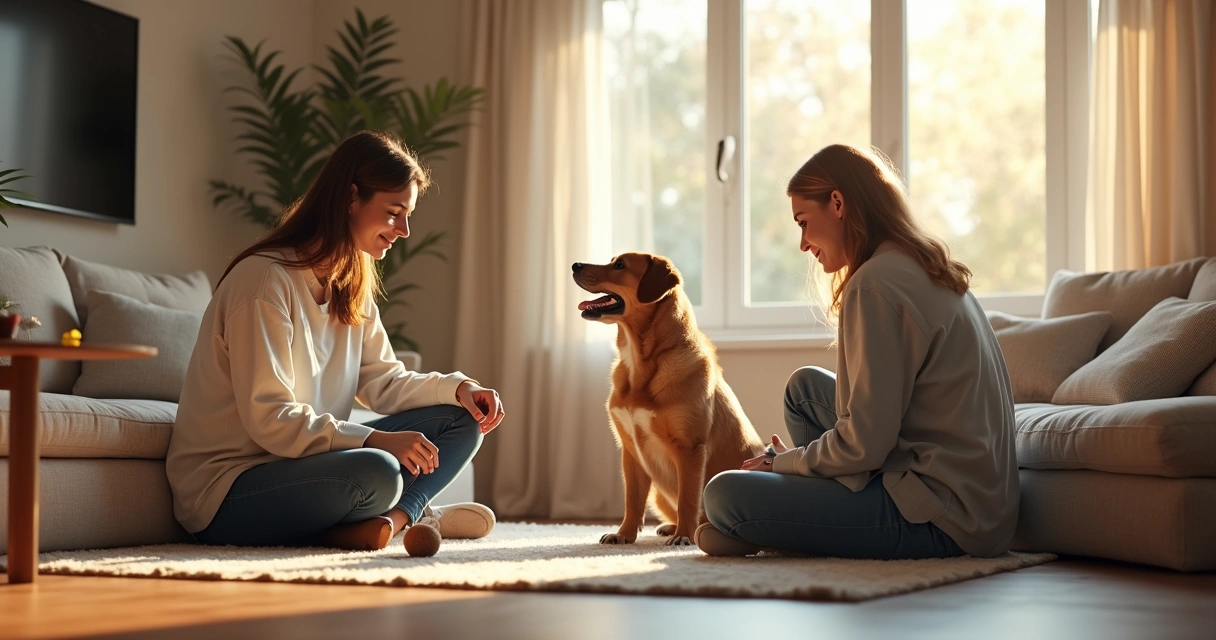
At Pet Boarding Familiar in Porto, we always ask owners to share the trainer's guidelines, details on commands, keywords, and reinforcement techniques with us, as well as instructions for managing more delicate situations. This sharing makes all the difference in the adaptation of furry friends during stays, as evidenced by the daily photos and videos in our gallery.
Communication is the basis of everything
The constant exchange of information between everyone involved, preferably via clear and written channels such as WhatsApp, and regular feedback after stays, further strengthens consistency in treatment and, consequently, the dog's emotional security.
Conclusion: more than training, it is a joint journey of trust
In our journey accompanying dogs from families in Porto, we have realised that turning to a trainer goes far beyond correcting bad behaviours. It is about building a relationship of respect, partnership, and security, based on modern methods adjusted to the unique profile of each animal.
If you feel that your dog would benefit from personalised guidance, do not hesitate to contact us at Pet Boarding Familiar in Porto. We work in collaboration with owners and qualified professionals to make the experience a positive, safe, and enriching memory for everyone. Get to know our solutions better, check our availability, and offer your furry friend the peace of mind they need, even when you cannot be present.
Frequently asked questions about dog trainers
What does a dog trainer do?
The trainer works daily to teach basic and advanced commands, correct maladjusted behaviours, and help the dog socialise better with people and other animals. They focus on an individual approach, planning exercises that adjust to the animal's profile, coordinating with the owner's routines, and promoting the physical and emotional well-being of the furry friend.
How to choose the best trainer for my dog?
Choose a professional with recognised training, who prefers positive reinforcement methods and knows how to listen and adapt to the needs of your dog and your family. Value those who maintain transparent communication, present references from other owners, and demonstrate willingness to work as a team with everyone responsible for the animal.
How much does training with a dog trainer cost?
The value of each session depends on the professional's experience, the duration of the consultation, and the degree of customisation of the service. It can range from more affordable prices in group sessions to individual programmes and continuous guidance with higher costs. Always confirm the price, conditions, and what is included before proceeding.
When should I look for a trainer for my dog?
Simply noticing recurring difficulties in adaptation, anxiety, disruptive behaviours, or doubts in education is enough to consider professional help. You do not need to wait for a serious problem: the sooner you identify a challenge, the easier it will be to find solutions, promoting balance from the start.
Where can I find trusted dog trainers?
Look for recommendations from vets, friends, family, or animal care services such as family pet boarding, where there is frequent contact with experienced professionals. Always check certifications in compliance with national regulations, consult reviews, and, if possible, attend sessions to see if the method suits your furry friend.
Automatic translation of the Portuguese original.