
treinamento básico
Basic dog training: a practical guide for pet sitters
Learn the basic commands for training dogs, ensuring socialisation, and creating effective routines for pet sitters.
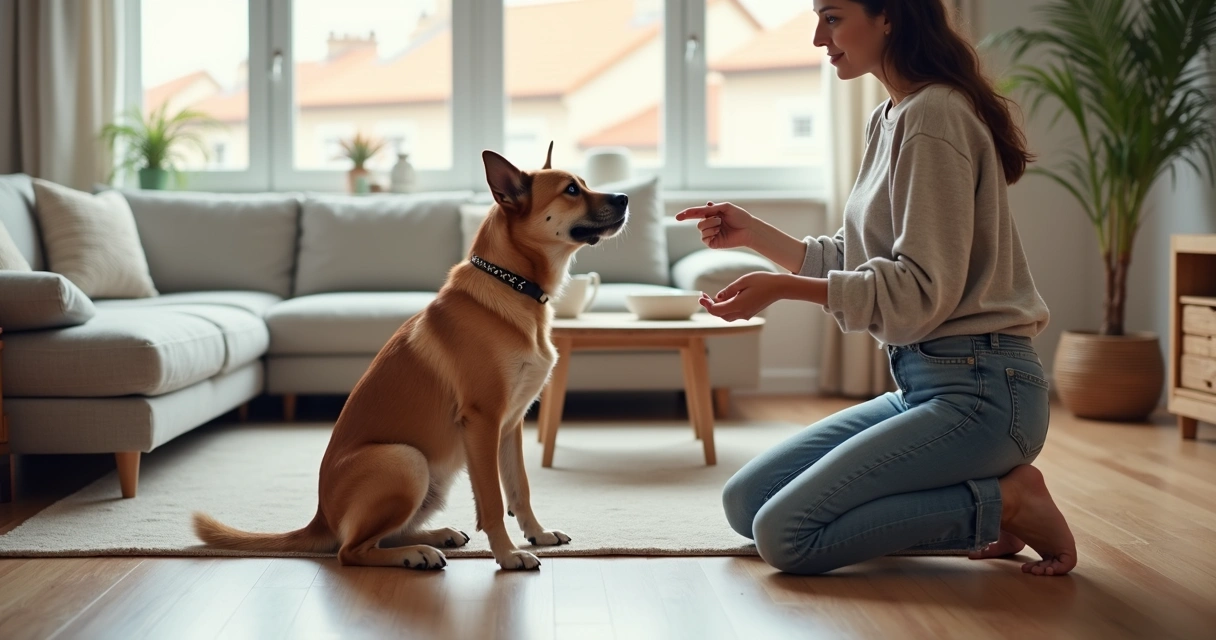
In our daily lives at Pet Boarding Familiar no Porto, we realise that a welcoming environment is only the beginning. Beyond ensuring comfort, companionship, and protection, we also seek to create opportunities for peaceful learning and adaptation for every animal we receive. Basic dog training is a valuable tool, not only to prepare the pooch for different routines but also to ensure well-being and safety in the family setting during stays. In this practical guide, we share the techniques, tips, and stories we use so that any pet sitter feels prepared for this noble mission.
Why pay attention to dog training during the stay?
When receiving an animal, we know we are caring for someone very special to the owner. Simple obedience training, through practical commands and positive interactions, helps the dog feel more secure and confident in a new environment. As pet sitters, we are often that pooch's "safe harbour" when the family is away. Therefore, investing in short teaching sessions is part of our family approach.
"Short, consistent, and positive sessions build bonds and convey confidence!"
Essential commands for a pet sitter's daily routine
We base our training routine on the most relevant commands for the family and pet sitting context. Not only because they facilitate our interaction, but mainly because they bring peace of mind to the dog and everyone around them. Below, we share the commands we consider most useful:
- Sit
- Down
- Come
- Stay
- No
These commands are simple, intuitive, and promote gentle discipline. The secret lies in teaching clearly, always with a positive and consistent attitude.
How to apply each command in practice?
When integrating the dog into a new home, using these commands can be done organically. We detail how:
- Sit: Perfect for calming the dog before meals, when putting on the lead, or when it is necessary to control excitement.
- Down: Used for rest sessions or when we want to calm the pooch in busier environments.
- Come: Essential for safety during walks and inside the house. It helps prevent escapes or unexpected accidents.
- Stay: Valuable for creating moments of waiting, such as when opening doors, crossing streets, or receiving visitors.
- No: Used to define boundaries, clearly demonstrating unwanted behaviours without resorting to physical punishment.
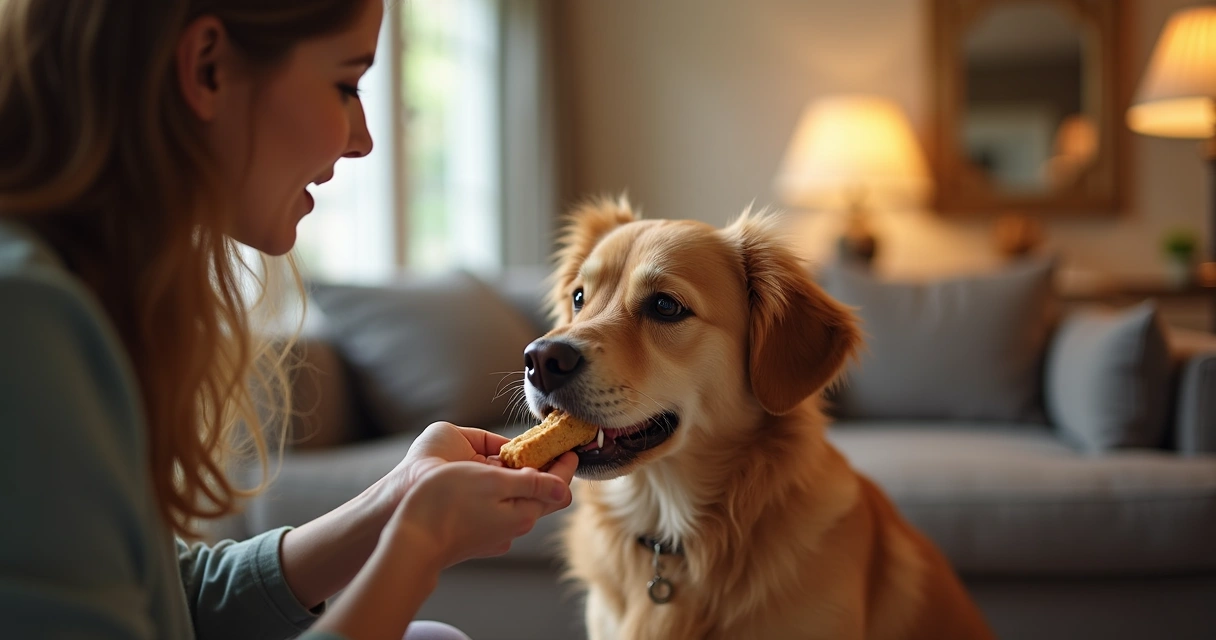
Command follow-up should be natural and adapted to the pooch's personality, but there are principles we follow in all situations.
Positive reinforcement: why does it always work better?
Over the years at Pet Boarding Familiar no Porto, we have witnessed true transformations using only positive methods. We know a dog learns more when encouraged than when reprimanded. Therefore:
"Rewarding good behaviour creates the habit."
Positive reinforcement is based on rewarding correct attitudes, ignoring, whenever possible, the less desired ones. Using snacks, affection, verbal praise, or toys are strategies that work for all profiles. We choose the type of reinforcement that best suits each animal, according to what motivates them most: food, play, or attention.
- Healthy snacks provided by the owner
- Patting and strokes
- Soft and enthusiastic words ("Well done!", "Good boy/girl!")
- The dog's favourite toys
By involving rewards in short sessions, we avoid frustration and make training light, even fun. If the dog does not respond as expected, there is no punishment; we simply try again later, adjusting the environment or changing the reward. Thus, the experience is positive for everyone.
How to keep sessions short and productive?
Quick training sessions, lasting three to five minutes, are more efficient than long periods. A rule we follow strictly: few repetitions, lots of enthusiasm, always end on a success. Dogs retain and learn new orders more easily when sessions are brief and focused on only one command at a time.
Tips for short sessions:
- Train, preferably, before meals (dog is more attentive)
- Eliminate visual and sound distractions; a quiet environment enhances focus
- If we notice fatigue or distraction, we take a break to play or relax
- Always use the same tone of voice for the same order
Small training moments, spread throughout the day, help the dog associate commands with the context of the temporary home at the family pet sitter in Porto, making adaptation much more serene and natural.
What is the pet sitter's role in creating the routine?
Each dog arrives at our home with a unique background. Some have already mastered commands, others have never heard an order. Our mission is to learn the history, listen to the owner, and design a flexible but structured routine that allows the animal to grow in confidence, maintaining the same habits and rules, always respecting their rhythm and personality.
- Confirm the food provided by the owner, maintaining habitual schedules and quantities
- Define short training periods: usually before walks, meals, or leisure time
- Promote controlled socialisation, assessing reactions with other animals in the house
- Communicate with the owner about progress, sharing videos, photos, and daily reports
We work as a team with the host family to create a harmonious routine. The participation of household members is fundamental, especially if the animal stays for extended periods.
Adapting to the dog's profile: how to do it?
Every pooch has its own pace and needs tailored activities. On several occasions, we have received young, energetic dogs that benefit from playful training full of movement. Others, more reserved or seniors, feel more comfortable with calm interactions and a slow pace.
- For active dogs: fetch games, concentration classes, sensory experiences
- For senior or anxious dogs: calm orders, quiet environments, unhurried training
- Fearful dogs: gradual approach, never forced, with plenty of confidence building
We always want to respect what each dog brings from home. Keeping familiar objects, toys, or scents helps significantly with their adaptation.
Safety in indoor and outdoor environments
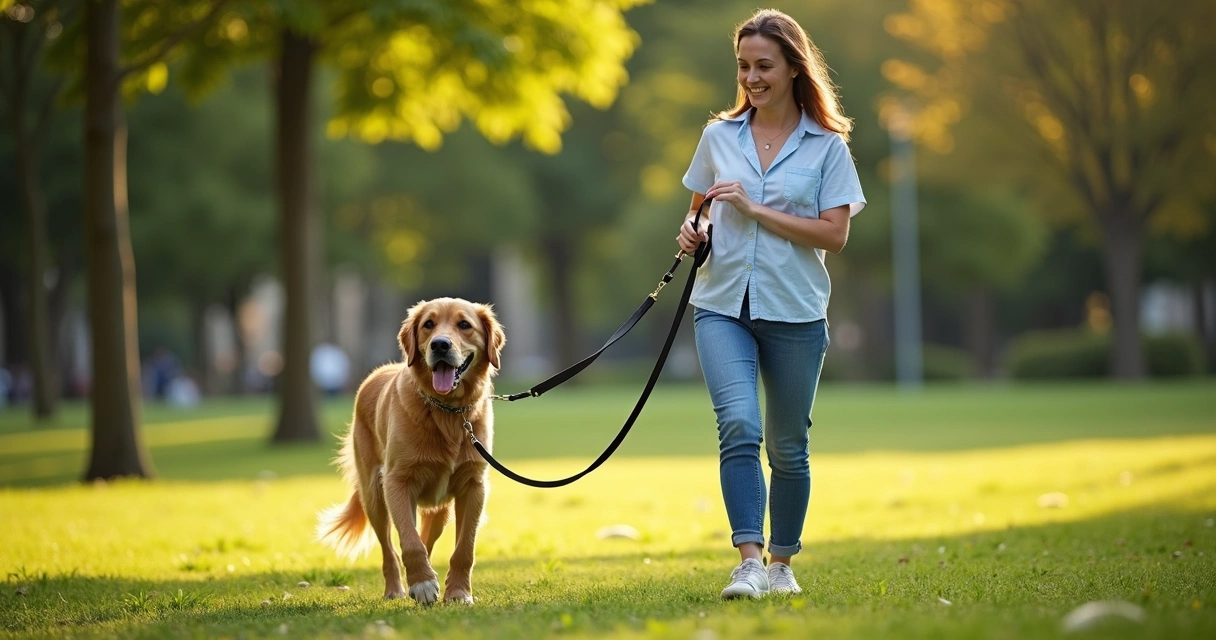
Walking moments and socialisation inside the house are opportunities to teach and reinforce good practices, but they also require attention to safety. In our experience, some principles never fail:
The use of a lead is mandatory for outdoor walks, even in quiet areas, to avoid unforeseen events.- Before heading out, we make sure the dog responds to their name and the “come” command
- Walks always start calmly, with the dog sitting before opening the door (prevents escapes, reinforces authority gently)
- During the walk, we keep the dog close to us, alternating between moments of freedom to sniff and focusing on the “stay” command
Inside the house, we promote controlled interactions with other animals and people, always using simple commands to adjust enthusiasm or stop excessive behaviours, such as jumping or barking.
Involvement of the host family: everyone learns!
One of the most rewarding aspects of the family pet sitting service is involving all members of the household. We share clear instructions so that everyone uses the same commands and strategies. This way, the dog receives consistent messages and feels more secure.
- Quick meetings at the start of the stay to agree on rules
- Distribution of simple tasks: who feeds, who walks, who plays
- Teaching children to use the correct verbal and gestural commands
Having an aligned team multiplies training success and can transform the dog's experience, making any stay a happy and relaxed adventure.
Maintaining feeding as directed by the owner
Although many rewards come in the form of treats, we never deviate from the diet indicated by the owner. Before starting any training, we always speak with the family to find out:
- If there are dietary restrictions
- Which snacks are approved
- The frequency of feeding
If necessary, we opt for non-food rewards, such as a new toy or a few extra minutes of play. The dog's health comes above all else.
Where to find practical examples and share experiences?
In our photo and video gallery, you can find authentic examples of how we integrate simple training into the daily routine of family pet sitting. We share these moments because we believe that good practices grow by being seen and replicated.
If you would like to know more about availability to care for your pooch with this personalised accompaniment, please check our booking calendar.
Conclusion: responsible pet sitting is also about caring for canine education
Simple training, done with care and respect, can make all the difference in a temporary stay. In our service Pet Boarding Familiar no Porto, we believe that providing a positive environment, with small educational routines, elevates the dog's well-being and reassures the whole family. By using practical commands, positive reinforcement, and activities tailored to each profile, we help animals feel safe, happy, and always learning.
If you are looking for a service where your pooch is well treated, learns with us, and creates happy memories, discover all our services. And if you have any questions or want to share an experience, contact us through our website Pet Boarding Familiar no Porto. We are here to help you every step of the way!
Frequently asked questions about basic dog training
What is basic dog training?
Basic dog training consists of teaching simple obedience commands, such as sitting, lying down, coming when called, staying, or stopping, through positive techniques and a structured routine. This learning allows the animal to adapt better to different environments, in addition to ensuring safety and balance in relationships with humans and other animals.
How to teach simple commands to dogs?
We teach simple commands in short sessions, using positive reinforcement. Every time the dog executes the correct order (for example, “sit” or “come”), we offer praise, affection, or an authorised snack from the owner. At home or on walks, the consistent repetition of this practice makes the pooch quickly associate the word with the desired behaviour.
When should I start training a dog?
Training can begin as soon as the dog enters the home, even as a puppy, always respecting their pace and physical development. The earlier the sessions start, the more natural the learning will be. But it is never too late; even adult dogs can learn basic commands, especially in a calm and friendly atmosphere such as that promoted at Pet Boarding Familiar no Porto.
What are common mistakes in dog training?
The most common mistakes include: using physical punishment or shouting, sessions that are too long, lack of consistency in commands and rewards, changing methods frequently, or not respecting the dog's time and personality. We believe that patience and respect are a pet sitter's best allies.
How long does it take to train a dog?
The time depends on the animal and the command being taught, but in short daily sessions, a lot can be achieved in just one or two weeks. For simple commands, dogs learn quickly if the routine is consistent, positive, and adapted to their profile. Some flexibility and persistence speed up the process.
Automatic translation of the Portuguese original.