
treinamento básico
Positive vs traditional training: which is best for dogs?
Discover the differences between positive and traditional training, their impact on behaviour and how to choose the best approach.
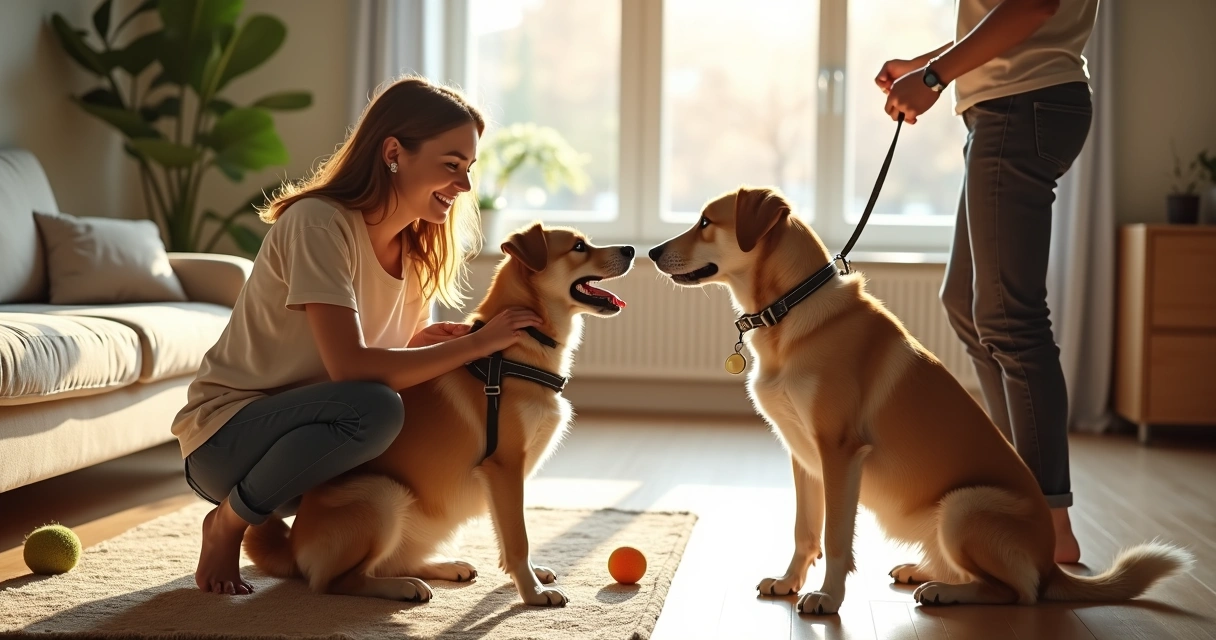
The behaviour of our dogs does not arise solely from instinct, but is deeply shaped by how we choose to train and educate them. Therefore, the choice between positive training and traditional approaches can define not only the dog's character but also the type of relationship we establish with them. At Pet Boarding Familiar no Porto, we daily support various owners who face this doubt and we believe that being informed is the first step towards animal welfare.
How it all began: a brief history of dog training
Dog training has been transformed over the decades. From methods that reproduced military practices to the latest techniques based on behavioural science, a lot has changed. Initially, training was imposed, with rigid orders and the use of forms of punishment to obtain obedience. It was only later that methods based on positive reinforcement gained ground, advocating for the encouragement of desired behaviour through prizes and rewards.
Today, we feel it is necessary to look at the past to understand where traditional methods come from and how positive training emerges as a more humanised alternative that respects the emotional side of dogs.
What distinguishes dog training methods?
The discussion about the best training method becomes even more relevant when we think about daily cohabitation and the tranquillity of the services we offer at Pet Boarding Familiar no Porto. Below, we will detail the main points that distinguish positive reinforcement practices from conventional approaches.
Traditional training: foundations, practices and impact
So-called traditional training is associated with the application of techniques that frequently resort to correcting undesirable behaviour through punishment or physical imposition. In this approach, the dog is often confronted with direct corrections – whether a jerk on the lead, a harsh voice or punishment.
- Use of punishment as a way to inhibit unwanted behaviours
- Training based on the owner's strong figure of authority
- Stimulus for the dog to learn to avoid mistakes, rather than seeking the correct action
- Tools such as choke chains, shock collars or prong collars (increasingly less accepted, but still present in certain contexts)
In traditional training, respect is often earned through fear of the consequence, not the desire to please.
Positive training: key concepts and current methods
Training through positive reinforcement focuses on encouraging desired behaviours using rewards, such as treats, toys or affection. The basis of this method lies in behavioural psychology, namely the studies of Ivan Pavlov and B. F. Skinner. The latter presented the theory of operant conditioning, where an animal associates an action with a positive consequence, thus reinforcing learning.
- Reinforcement of good behaviour is done with prizes and praise
- When undesirable behaviours occur, the choice is redirection or lack of response
- The owner takes on the role of guide, creating a relationship of trust and sharing
- Body language and non-verbal communication are prioritised, avoiding noise in the owner-dog relationship
Training with positivity is teaching how to collaborate, not to obey out of fear.
Positive training sees the mistake as part of the learning process, not as a failure to be punished.
How they work in practice: real examples
To illustrate the differences between these two philosophies, we bring examples experienced in our space, where each animal has unique needs and histories.
Example of traditional training
The dog displays destructive behaviour and the owner resorts to shouting or physically pinning the animal down, expecting it to understand the error. The typical result? Fear or anxiety in the presence of the owner, and sometimes new negative behaviours triggered by stress.
Example of positive reinforcement training
Faced with the same behaviour, the owner removes the object the dog tried to destroy, offers a suitable alternative (a toy, for example), and rewards the animal when it uses the permitted object. The dog learns that it is beneficial to choose the right toy, without feeling fear or resentment.
Shifting the focus from punishment to reward creates more confident and less fearful animals.
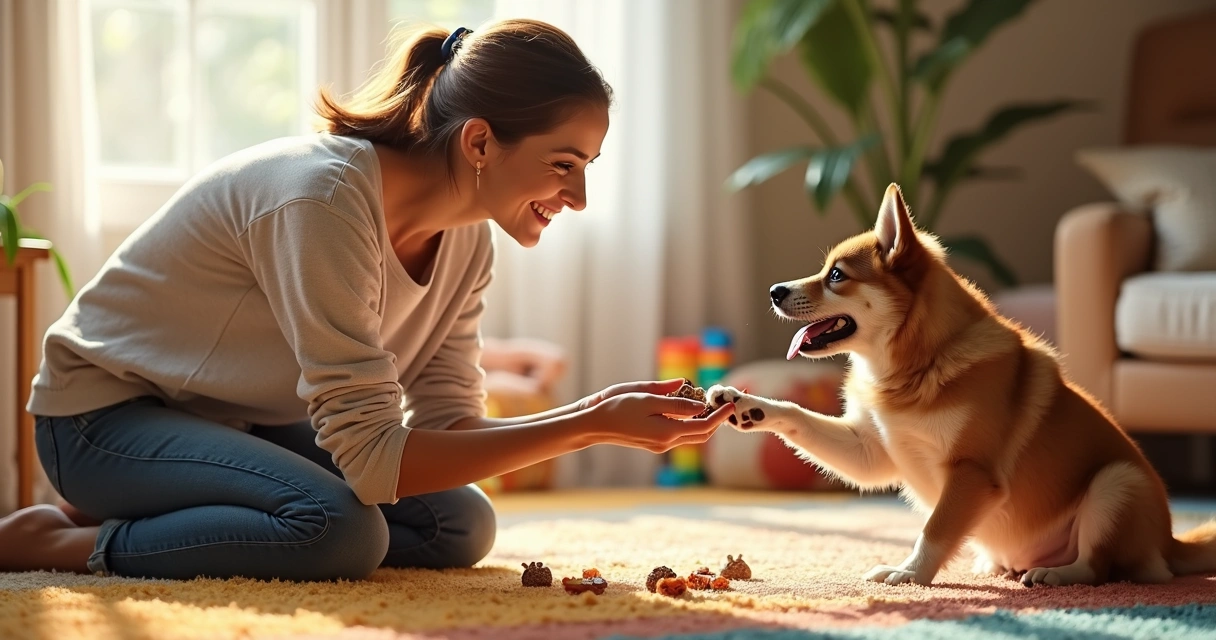
Impact of different approaches on canine behaviour
Traditional methods frequently generate an environment of anxiety. We have observed, from our own experience, dogs that are more withdrawn, afraid of making mistakes, developing behaviours such as extreme submission or even defensive aggression.
Conversely, in positive training, we see dogs that are more sociable and have a greater capacity for problem-solving. These differences are felt both at home and in socialisation with other dogs or people, something we consider fundamental in a family stay like those at Pet Boarding Familiar no Porto.
A dog trained in a positive way tends to trust the owner more, explore the environment with curiosity and demonstrate general well-being.
Myths and truths about dog training
Many owners assume that traditional methods are faster or more efficient, but this perception does not always correspond to reality. Furthermore, wrong ideas circulate, such as the need to "show who's boss", associated with the outdated concept of alpha leadership.
In practice, science has already shown that dogs thrive in predictable environments of mutual respect and with clearly established routines. Positive training, focused on repetition and reward, creates lasting bonds and is less prone to breakdowns.
It is not through force that we gain the trust of our dogs, but through patience and consistency.
The science behind modern training
Several studies indicate that the use of severe punishment can result in high levels of cortisol in dogs, a sign of stress. Reward-based methods, in addition to promoting better learning, show lower rates of anxiety and aggressive reactions.
In our team's experience, when we help dogs adapt to a new environment, such as our family boarding home, we can see how behaviours improve with techniques that respect individual pace and preferences.
Science proves it: positive reinforcement is healthier.
The impact of the training method on animal welfare
In our daily lives, it is common to hear owners concerned about the happiness, mental health and integration of their animals. These are factors directly dependent on the type of training the dog was subjected to.
- Positive reinforcement reduces anxiety and fear problems
- Dogs feel more at ease to explore and learn
- The probability of reactive behaviours decreases
- Living with other dogs becomes more peaceful
- The emotional bond between owner and dog is more solid
In traditional training, by contrast, the risk of developing an aversion to training grows exponentially, leading to frustration for the owner and isolation for the animal.

The role of socialisation and adaptation in trained dogs
One of the objectives of training is not just obedience but the dog's ability to fit into different environments and live with other animals. In our service, which you can learn more about on the Pet Boarding Familiar no Porto website, we pay attention to each stage of this adaptation.
In positive training, socialisation is gradual, made of small achievements and celebrations. The dog feels safe, even in the face of new stimuli, and accepts being guided by the owner. Common situations, such as receiving guests at home or walking in urban areas, become less problematic.
Traditional training can make socialisation difficult, as it associates new experiences with fear or punishment.
Example: adaptation process during stays
We frequently receive dogs that are not yet very confident and need time to feel at ease. With techniques based on positive reinforcement, we increase the animal's tolerance to the presence of other dogs, promoting joint activities and rewarding each piece of progress.
In cases of dogs trained in a conventional way, we find that approaching other animals can be hindered by the expectation of something negative happening.
Socialising is not just being present, it is feeling comfortable in the group.
Main practical and emotional differences between methods
Gathering all the information above might seem complicated, but we summarise the main differences and advantages of each method, to facilitate an informed decision for those who care for dogs:
- In the traditional method, the emphasis is on obedience, with the dog often acting to avoid punishment
- In positive training, the focus is on collaboration, transforming the owner into a partner
- Positive reinforcement leads to more balanced relationships, without the need for coercion or fear
- Due to long-term results, dogs trained in a positive way are more autonomous and less prone to behavioural problems
- In traditional training, risks of insecurity, anxiety or mental blocks increase
These differences are not just theoretical. We experience every day how the happiest dogs are those who come from homes that value empathy and respect for each animal's pace.
In what situations is traditional training still used?
Despite the advantages of positive reinforcement, there are specific contexts in which traditional training is still used. Typically, it involves dogs with very challenging behaviour, risk to others or situations where immediate safety is a priority. However, even in these cases, the current trend is to adapt less invasive techniques, always minimising discomfort or trauma.
It is important to say that whenever possible, professional advice should seek to adjust strategies to the specificity of the dog and the family.
International preference points towards increasingly soft and individualised forms of intervention.
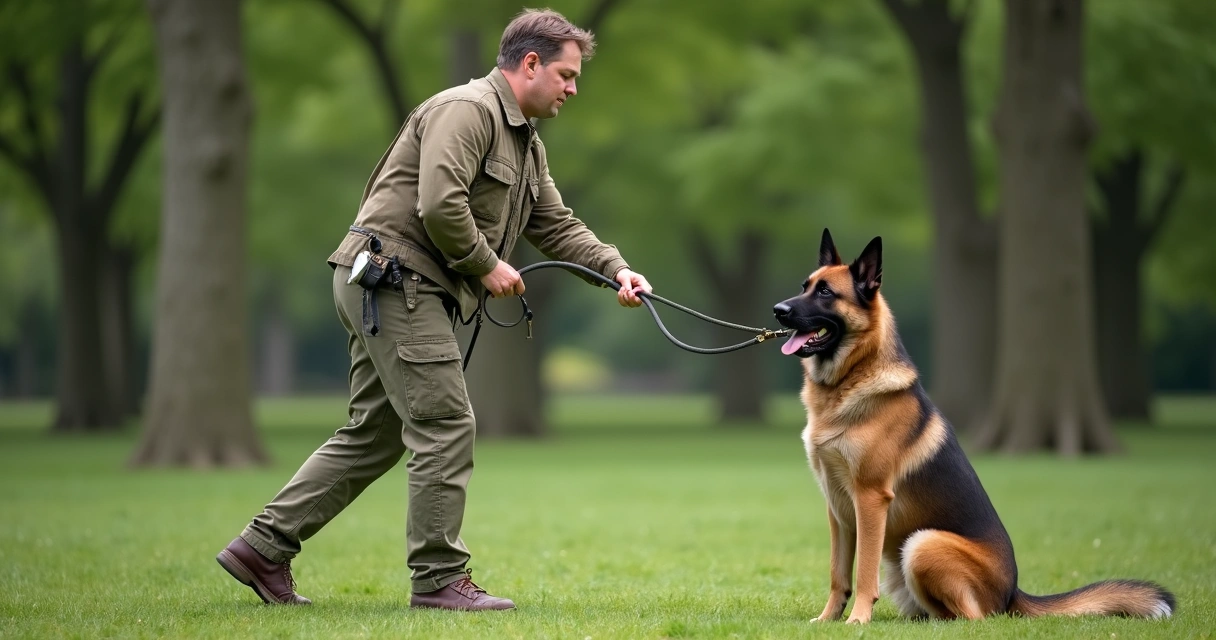
Limitations of the traditional method
The use of punishment can, in the short term, stop a behaviour, but if the root cause is not addressed, the problem will manifest again. Furthermore, repeated punishments can damage the relationship between dog and owner, affecting trust and willingness to learn.
From our point of view, the focus should always be first on constructive and individualised methods, promoting emotional well-being.
Why is positive training usually recommended?
The benefits most frequently highlighted by professionals and the scientific community are:
- Reduction of anxiety and stress levels
- Increase in the animal's learning capacity and motivation
- Facilitates adaptation to new or unknown environments
- Reinforces the bonds of trust between owner and dog
- Prevents aggression and reactive behaviours
- Promotes autonomy and self-esteem in the dog
All this contributes to a more peaceful cohabitation, whether at home or during stays, such as the experiences we provide at Pet Boarding Familiar no Porto.
Added advantages in a family context
During stays and walks, we verify daily that dogs trained in a positive way deal better with children, the elderly and other animals. They are less likely to react badly to unexpected noises, changes in routine or challenging situations.
Trust, collaboration and tranquillity are the bases of positive training.
How to identify good dog training professionals?
Choosing who will accompany our dog's training is an important decision. We always recommend looking for references, transparency of methods and demonstrated concern for the animal's well-being. Good professionals:
- Explain the techniques used in detail
- Propose owner involvement in the training
- Prioritise open communication adapted to the dog's profile
- Avoid any practice that involves pain, fear or discomfort
If you want to observe how animals behave in a respectful and welcoming training context, you can check real images of our activities in the gallery or ask directly about methods and routines through the various contact forms available.
Red flags to avoid
- Promises of immediate and guaranteed results
- Collars or tools that cause physical discomfort
- Lack of explanation regarding the training process
- Minimisation of the dog's emotional well-being
The best trainer is the one who respects the animal's time and limits.
The owner's role during the training process
The success of training, whatever the method, will depend greatly on the owner's involvement. Positive training encourages constant participation, transforming every moment into a learning opportunity. And it doesn't need to be done in a ring or formal session: it's possible to teach commands and good practices during a simple play session in the garden or on the daily walk.
The involved presence of the owner is the greatest reinforcement for the dog.
Consistency is key
Reinforcing whenever the dog gets it right, avoiding overreacting to mistakes and betting on repetition are golden rules. With this, learning is more stable and lasting. Many of the examples we share come from real situations at Pet Boarding Familiar no Porto, where positive routines bring visible progress quickly.
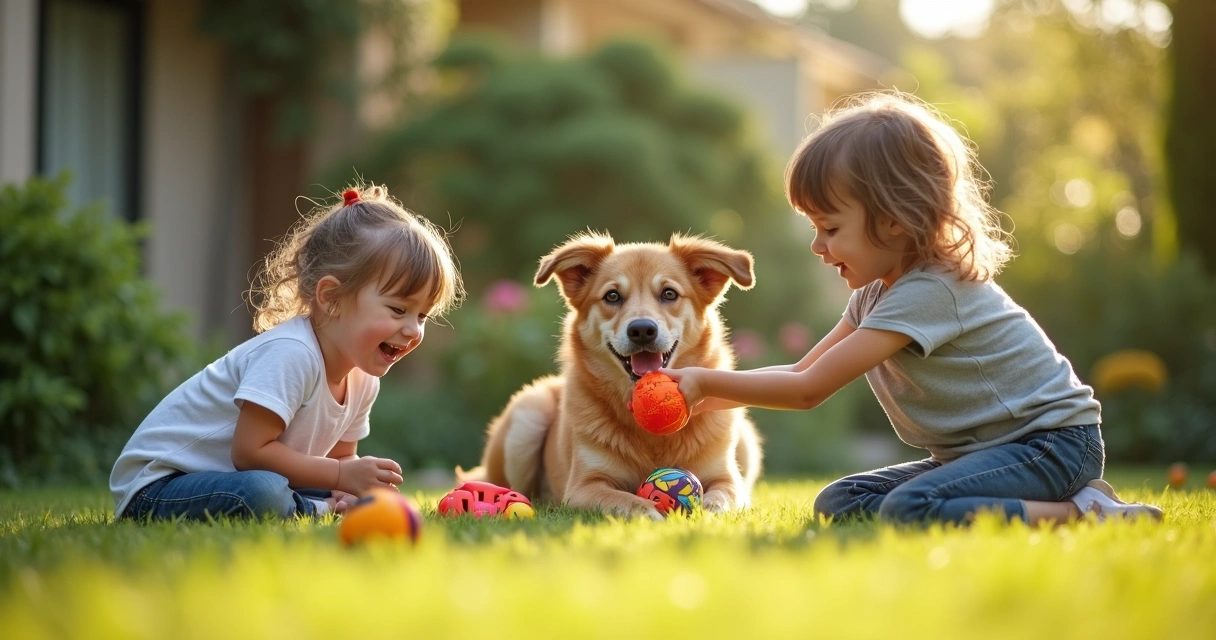
Common mistakes in choosing a training method
Throughout our activity, we notice some frequent misconceptions:
- Thinking that traditional training is suitable for all dogs
- Thinking that positive reinforcement is over-pampering the animal
- Adopting methods opposite to the dog's temperament
- Not respecting the individual pace of learning
- Focusing only on correction and not on preventing the error
When in doubt, we always consult with professionals, whether to resolve specific issues or to define a training plan that respects each dog's personality.
Positive reinforcement: examples and tips for daily life
- Use varied rewards: alternating between food, toys and affection keeps the dog's interest
- Be quick to reward: reinforcement must happen immediately after the desired behaviour
- Give clear and consistent instructions
- Redirect gently when a mistake occurs
- Keep training sessions short and fun, avoiding frustration
The use of a clicker, for example, allows for marking the correct behaviour with precision, making the training even clearer for the dog.
Creating good habits does not require harshness, just presence, patience and joy.
Training and well-being: what to observe in the animal?
The result of good training goes beyond obedience. Indicators of well-being include:
- Relaxed facial expression and loose body
- Interest and curiosity about the environment
- Ease in recovering from changes in routine or environment
- Ability to interact calmly with people and other animals
- Absence of signs of anxiety or unjustified fear
Here at Pet Boarding Familiar no Porto, we follow these clues during stays to adapt each experience to the dog we are working with, reporting all achievements and progress to the owners.
When to seek specialised help?
If the dog manifests significant behavioural changes, such as aggression, phobias or regression in training, it is advisable to consult a specialist. We always signal the importance of turning to certified trainers who are transparent in their practices.
Our team can help identify specific needs, recommend changes in the environment and suggest safe options for everyone – available for booking via the availability page or direct contact.
Before opting for more invasive methods, always seek information and personalised guidance.
Practical cases: owner testimonials and progress achieved
Nothing speaks better about the effectiveness of a method than real testimonials.
A striking example happened with Luna, a dog who arrived at our boarding stay with a fear of men and loud noises, due to previous negative experiences with traditional training. After a few weeks of positive training, she started accepting new people and no longer trembled every time she heard sudden sounds. The owners were surprised by the transformation and also began to apply positive reinforcement at home.
Another case was Kiko, initially very distracted and difficult to control on walks. With short but consistent sessions, using treats and praise, he started focusing more on the owner and reacting less to external stimuli, making walks in Porto more peaceful for both.
The future of dog training
In the world of dog training, knowledge does not stop evolving. More and more, we look for methods that respect the animal in its entirety. We see a clear transition from imposition to collaboration, which only brings benefits in terms of well-being, social integration and emotional relationships.
In environments like ours, where we offer family boarding without cages, we further reinforce the need for training that promotes autonomy, self-confidence and emotional balance. Therefore, we advocate for positive training as the primary path, without ever dogmatising or excluding thoughtful adaptations when necessary.
Happy dogs, peaceful families. This is the mission of positive training.
Conclusion
Throughout this article, we have sought to clarify the differences and implications of each approach in dog training. It has become clear that positive training promotes a healthier, more harmonious and stimulating experience for the dog and for the owner.
At Pet Boarding Familiar no Porto, we experience daily the joy of following the evolution of our four-legged friends in a family context, with safe and transparent methods. If you are looking for guidance, inspiration or simply a place full of affection for your dog, we invite you to find out more about our service and contact us to discover the best solution for your profile.
Frequently asked questions
What is positive training for dogs?
Positive training consists of reinforcing the dog's desired behaviour through rewards such as treats, affection or toys. This method avoids physical punishment and prioritises encouraging correct actions, promoting a safer and more joyful learning experience.
What is the difference between positive and traditional training?
Traditional training is generally based on the correction and punishment of inappropriate behaviour, while positive reinforcement bets on rewarding the correct attitude. The former can result in fear or stress; the latter creates a bond of trust and a willingness to collaborate.
Is traditional training still recommended?
There are specific contexts where traditional training techniques continue to be used, especially in emergency or high-risk situations. However, current practice tends to prefer softer and more respectful methods, resorting to traditional ones only when there are no safe and effective alternatives.
What are the advantages of positive reinforcement?
Positive reinforcement reduces anxiety and aggression, increases motivation and strengthens the relationship between dog and owner. This method induces stable and happy behaviours, facilitates socialisation and easily adapts to different types of canine personality.
How to choose the best training method for my dog?
The best method depends on the dog's temperament, the family's needs and the owner's experience. Consulting professionals, observing the animal's well-being and choosing techniques based on trust and respect is the right path. When in doubt, always opt for well-being and positive reinforcement.
Automatic translation of the Portuguese original.